Expand your horizons! Embrace the world!
FLORIDA

Florida is a sun-drenched peninsula in the southeastern United States known for its long coastline, tropical climate, and diverse mix of cultures shaped by both Atlantic and Gulf influences.
Florida Everglades
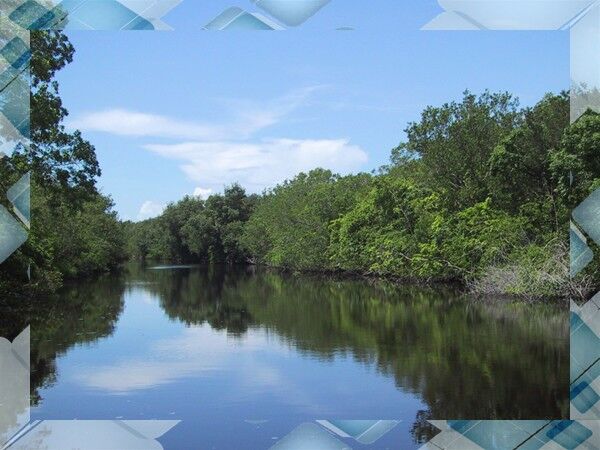
The Everglades is one of the world’s largest tropical wetlands and a unique ecosystem that supports an extraordinary variety of wildlife. Among its rare and endangered species are the American crocodile, American alligator, manatee, and Florida panther. The landscape features mangrove forests, cypress swamps, pine woodlands, and vast prairies of sawgrass. The Everglades are formed by the slow southward flow of water from Lake Okeechobee, creating a broad network of wetlands that stretches about 60 miles wide and extends more than 100 miles to Florida Bay.
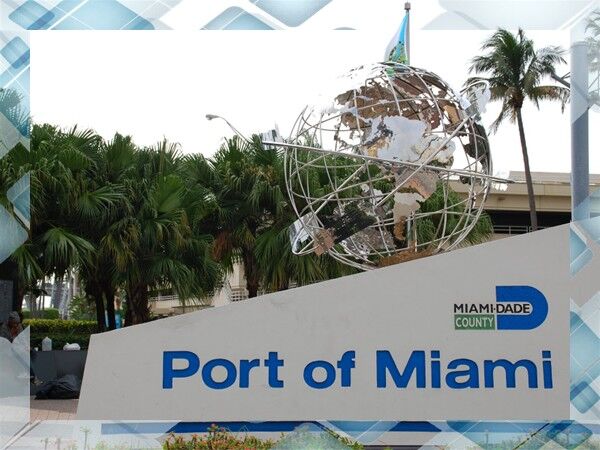
Port of Miami
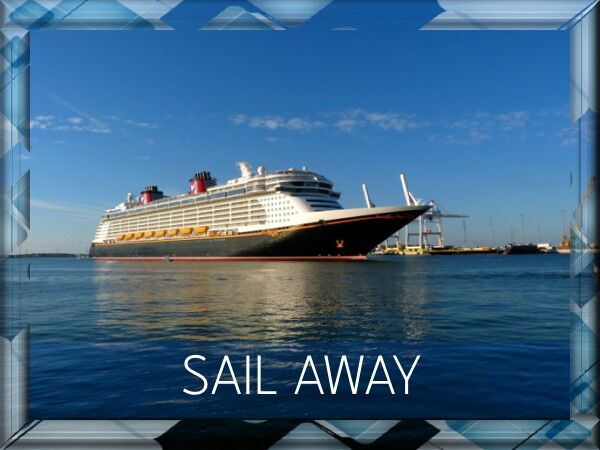
The port of Miami is known as the “Cruise Capital of the World.”

Cape Canaveral
The Kennedy Space Center, on Merritt Island, northwest of Cape Canaveral is the site of numerous rocket launches every year.
Florida is the third most populous state in the nation, a melting pot of vibrant cultures, a haven for tourists and retirees alike, and the launch pad for the pioneers of space exploration. Three major factors have contributed to Florida’s success: transportation, technology, and tourism.
Located in the southeastern corner of the U.S. mainland, Florida extends into the sea like a peninsula, bordered by the Atlantic Ocean to the east and the Gulf of Mexico to the west. From its southern tip stretches a chain of islands known as the Florida Keys, a famous retreat for writers including Ernest Hemingway and Tennessee Williams. For the most part, Florida barely rises above the waves, with an average elevation of just 100 feet above sea level.
Highways, railroads, and airports brought a huge influx of people to Florida during the twentieth century. New residents and investors embraced the tourism boom, while air-conditioning made the tropical climate more comfortable and the flat landscape proved ideal for leisure pursuits such as golf. Now known as “The Sunshine State,” Florida has more coastline than any other state in the contiguous United States and offers countless resorts catering to visitors from across America and around the world.
Changing Hands
Florida was the first part of the American mainland visited by European explorers in the sixteenth century. The Spanish arrived first, led by Juan Ponce de León, who named the region after the Spanish Easter festival Pascua Florida, or “Festival of Flowers,” during which he landed. Spain later found itself squeezed by French expansion from Louisiana and British settlements in Georgia, eventually ceding Florida to Britain in exchange for Havana, Cuba.
The colony prospered through plantations producing sugar cane, oranges, and later cotton. During Spanish rule, Florida served as a refuge for escaped slaves. In fact, America’s first legally sanctioned free Black settlement, Fort Mose, was established near St. Augustine. Under British rule, however, enslaved Africans were brought in to work the plantations.
Florida remained loyal to the British Crown during the American Revolution, but after the war it was returned to Spain. By 1821, however, the United States had acquired the territory, and the first half of the nineteenth century was marked by a series of conflicts known as the Seminole Wars, fought between the U.S. Army and an alliance of the Seminole people and free African Americans. Eventually, U.S. control was secured, and most Seminoles were forced to relocate to present-day Oklahoma.
A State Apart
On March 3, 1845, Florida became the 27th state to join the United States. As a slave state, however, it seceded from the Union in 1861 and became one of the founding members of the Confederacy. After the Civil War, Florida was slow to accept Reconstruction, and racial violence made life difficult for many African Americans, prompting large numbers to leave the state.
At the beginning of the twentieth century, Florida’s population was just over half a million. Over the next hundred years, that figure grew by nearly 4,000 percent.
Florida’s population has also been shaped by a large Hispanic community concentrated in cities such as Miami, Tampa, and Orlando. Today, roughly one-fifth of Floridians speak Spanish as their first language. As the state has become an increasingly popular destination, its attractions have grown ever more spectacular. The world-famous Walt Disney World Resort, which opened in 1971, is now home to four theme parks, including EPCOT. Florida is also a sports mecca, boasting iconic venues such as Daytona International Speedway and Hard Rock Stadium, home of the Miami Dolphins.
Add Your Heading Text Here
Lorem ipsum dolor sit amet, consectetur adipiscing elit. Ut elit tellus, luctus nec ullamcorper mattis, pulvinar dapibus leo.
Add Your Heading Text Here
Lorem ipsum dolor sit amet, consectetur adipiscing elit. Ut elit tellus, luctus nec ullamcorper mattis, pulvinar dapibus leo.
STATEHOOD
March 3, 1845
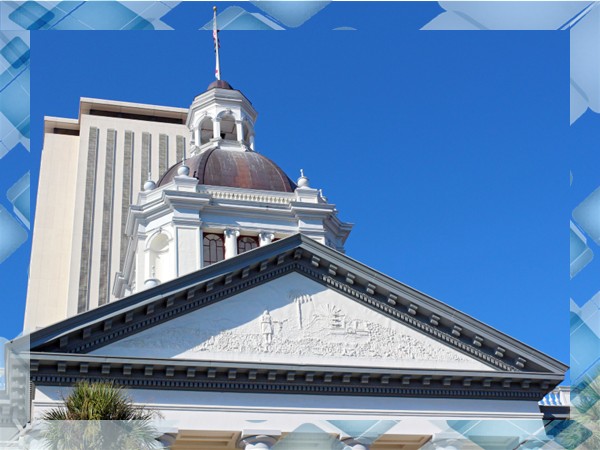
CAPITAL CITY
Tallahassee
STATE PARKS
Florida has 175 state parks.
NATIONAL PARKS
Florida is home to three national parks.
- Everglades National Park
- Dry Tortugas National Park
- Biscayne National Park
FUN FACTS
Everglades National Park is the only place on earth where alligators and crocodiles live side-by-side.
You are never more than 60 miles from the nearest body of water anywhere in Florida.
The state averages about 1.2 million lightning strikes each year, more than any other state.
Settled by Spaniards in 1565, St. Augustine beats Jamestown by 42 years.
The very first suntan lotion was invented by Miami pharmacist Benjamin Green in 1944.
Gatorade was formulated and named at the University of Florida to help the Gators football team beat the heat.
Florida was completely underwater during the dinosaur era. The oldest fossils found in the state belong to ancient sea turtles.
Packages Coming Soon!
Packages Coming Soon!
Packages Coming Soon!
Packages Coming Soon!

Add Your Heading Text Here