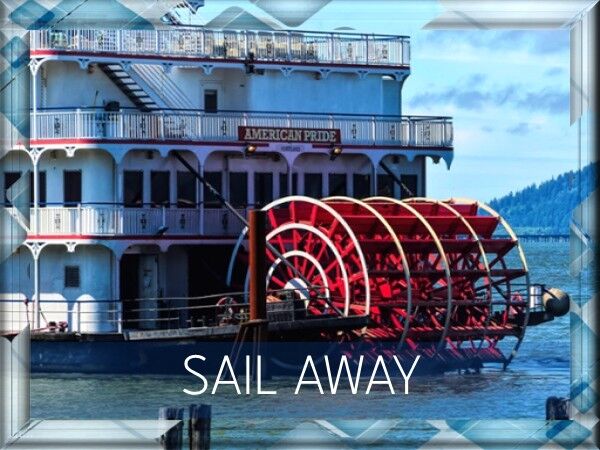
Discover. Explore. Enjoy new Horizons!
OREGON
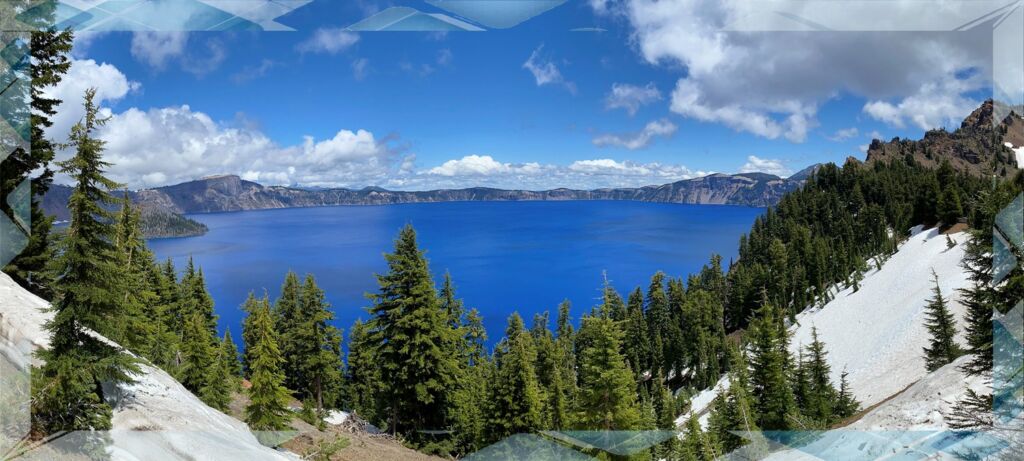
Oregon is a land of remarkable natural beauty, where rugged Pacific beaches, towering waterfalls, snow-capped mountains, and evergreen forests create unforgettable scenery. Visitors can explore dramatic coastlines, hike through volcanic landscapes, sample world-class wines, and discover charming small towns and vibrant cities. From the scenic Cascade Range to the breathtaking coastline, Oregon offers year-round adventures for every kind of traveler.
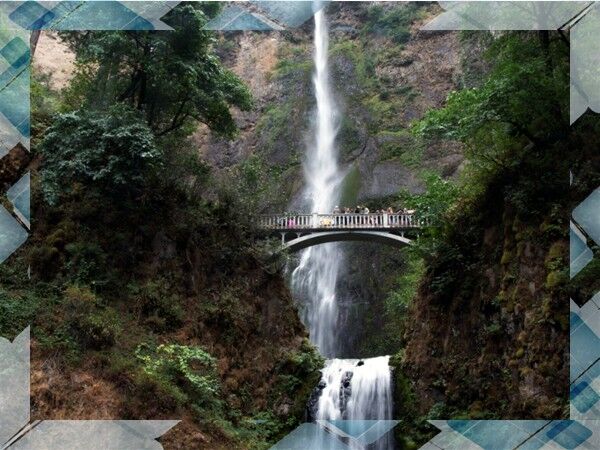
Multnomah Falls
Among Oregon’s most spectacular natural attractions, Multnomah Falls is the tallest waterfall in the state and one of the most visited in the Pacific Northwest. Located in the scenic Columbia River Gorge National Scenic Area, the falls plunge a total of 620 feet in two dramatic tiers, fed year-round by underground springs from nearby Larch Mountain. A short, paved trail leads visitors to the iconic Benson Bridge, where they can enjoy breathtaking views of the cascading water and the lush canyon below.
Multnomah Falls has attracted travelers for more than a century and remains a favorite destination for hikers, photographers, and nature lovers. The nearby historic Multnomah Falls Lodge offers dining, gifts, and information about the area’s history and hiking trails. Whether you’re stopping for a quick photo or exploring the surrounding forest paths, a visit to Multnomah Falls showcases the beauty and grandeur that make Oregon such a memorable destination.
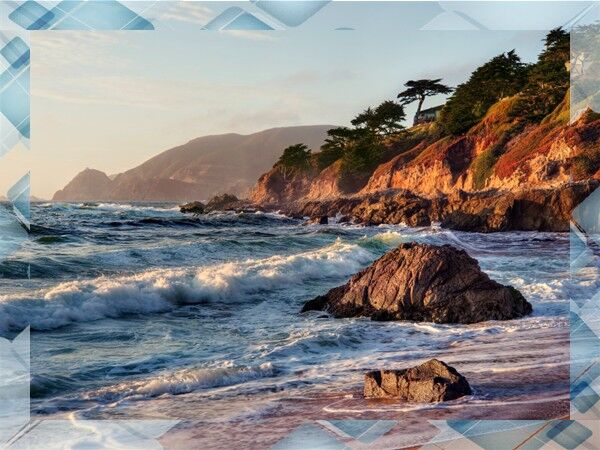
Canon Beach
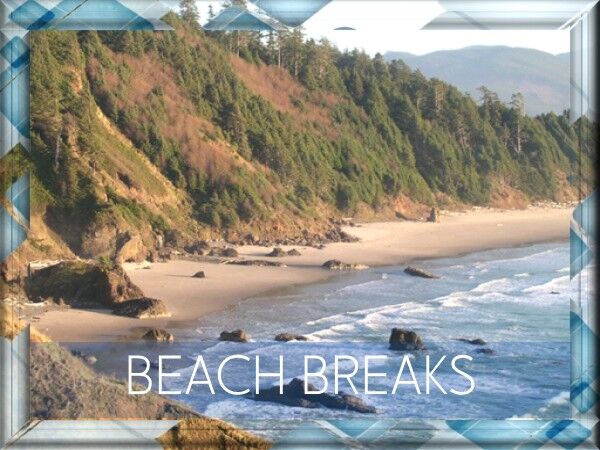
Nestled along Oregon’s rugged northern coast, Cannon Beach is one of the state’s most picturesque seaside destinations. The town is best known for Haystack Rock, a towering 235-foot sea stack that rises from the shoreline and serves as a sanctuary for seabirds, tidepool creatures, and colorful marine life. Visitors can stroll miles of sandy beach, explore art galleries and boutique shops, or simply enjoy the stunning views of the Pacific Ocean framed by dramatic coastal cliffs.
Cannon Beach offers something special in every season, from spectacular sunsets and winter storm watching to summer beachcombing and hiking nearby trails. Just south of town, Ecola State Park provides breathtaking overlooks, forested hiking paths, and panoramic views of the coastline that have inspired photographers and artists for generations. With its relaxed atmosphere, natural beauty, and charming small-town character, Cannon Beach is a destination that captures the essence of the Oregon Coast.
When you have world-class wine and delicious hazelnuts, what more could you ask for? The pioneers who endured the 2,000-mile journey along the Oregon Trail from Independence, Missouri, to Oregon City certainly thought they had found paradise when they finally arrived. Nestled in the Pacific Northwest, Oregon lies between Washington and California, bordered by the Pacific Ocean to the west. Within its boundaries are rugged coastlines, snow-capped mountains, fertile valleys, high desert, bustling cities, and charming small towns, making it one of America’s most geographically diverse states.
Oregon’s scenery quickly exhausts even the most enthusiastic traveler’s supply of superlatives. Towering above the landscape is Mount Hood, an 11,239-foot volcano where skiing is possible for much of the year. Nearby lies the breathtaking Crater Lake, formed when a massive volcano collapsed thousands of years ago. At 1,949 feet deep, it is the deepest lake in the United States, famous for its astonishing sapphire-blue waters.
In the northeast, the Hells Canyon plunges nearly 8,000 feet, making it deeper than the Grand Canyon in places. Along the coast, the iconic Haystack Rock rises 235 feet above the shoreline, while the nearby Sea Lion Caves form America’s largest sea cave. Oregon is also home to a record-breaking Sitka spruce that stands over 200 feet tall after some 750 years of growth. Perhaps most remarkable of all is the famous “Humongous Fungus” hidden beneath the Malheur National Forest. Estimated to be around 2,400 years old, it spreads across more than three square miles, making it the largest known single organism on Earth.
Oregon Equals Alternative
For a state filled with giant natural wonders, Oregonians have shown an amusing determination to hold onto one of the smallest records imaginable. For many years, the D River in Lincoln City was recognized as the world’s shortest river. When Montana’s Roe River challenged that claim, Oregon responded by remeasuring the D River and submitting new figures. The friendly debate over which river truly deserves the title continues to this day.
Oregonians are generally known for their independent spirit and practical outlook. Many residents trace their ancestry to German immigrants, while others have been drawn by the state’s reputation for creativity, outdoor living, and environmental awareness. That independent streak is reflected in everything from local politics to the state’s thriving arts and food scenes.
Portland native Matt Groening created The Simpsons, and Oregon remains the only state with an official state nut—the hazelnut. Every summer, Portland also hosts the World Naked Bike Ride, one of the largest events of its kind anywhere in the world.
Conservation and Craft Culture
The World Naked Bike Ride is more than a quirky spectacle—it began as a protest promoting cycling, body positivity, and reduced dependence on fossil fuels. Environmental stewardship is deeply woven into Oregon’s identity. The state was the first in the nation to require deposits on beverage bottles and cans, helping inspire recycling programs across the country. Oregon consistently ranks among America’s most bicycle-friendly states, with miles of cycling paths and communities designed for life on two wheels.
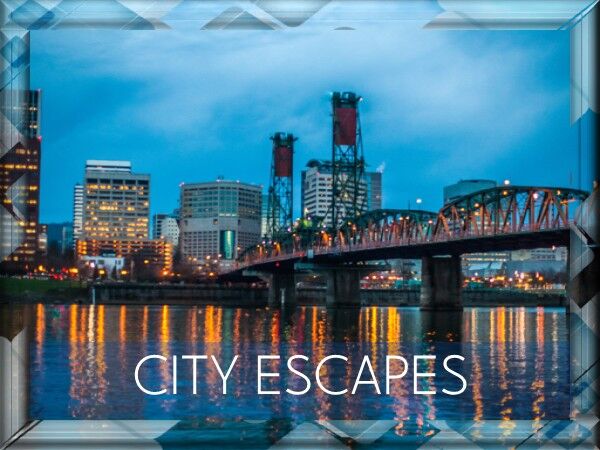
Portland is famous not only for its bicycles but also for its flowers and craft beer. The beautiful International Rose Test Garden features hundreds of varieties of roses, filling the air with fragrance throughout the summer. Just as memorable is the aroma drifting from Portland’s renowned breweries. The city has long been recognized as one of the world’s premier craft beer destinations, boasting more breweries than almost any other city in the United States.
While Portland draws much of the attention, Oregon’s story extends far beyond its largest city. Most of the state’s population lives along the Interstate 5 corridor that stretches north to south through the fertile Willamette Valley. Venture east or take a detour off the interstate, however, and you’ll discover a quieter Oregon of ghost towns, abandoned mining camps, dramatic volcanic landscapes, and wide-open spaces that recall the frontier days of the American West. It is a state where natural beauty, independent thinking, and a pioneering spirit continue to shape everyday life.
STATEHOOD
February 14, 1859
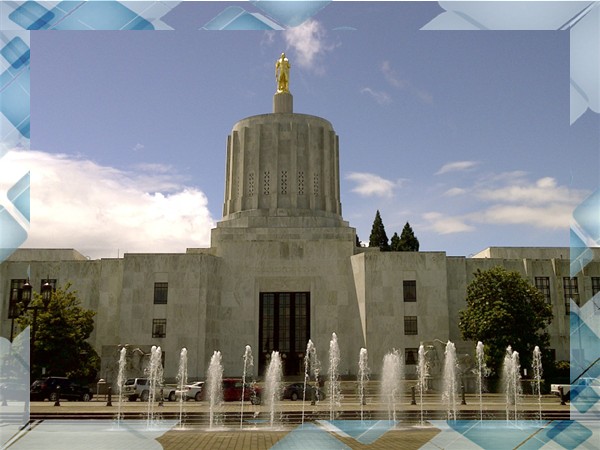
CAPITAL CITY
Salem
STATE PARKS
Oregon has 250 state parks.
NATIONAL PARKS
Oregon is home to one national park.
- Crater Lake National Park
FUN FACTS
In 1854, two developers—one from Boston and one from Portland, Maine—flipped a penny to decide what to name the newly platted city. Portland, Maine, won 2-to-1.
The beloved tater tot was invented in the eastern Oregon town of Ontario by the founders of Ore-Ida, who were searching for a way to use leftover tater scraps.
Portland is home to Mill Ends Park, an official city park measuring just two feet across. It was originally created in 1948 as a site for a leprechaun colony.
The U.S. Forest Service maintains the world’s only official Bigfoot trap in the Siskiyou National Forest, built in 1974 (though it has never successfully caught a Sasquatch).
Oregon has the highest number of ghost towns in the United States.
In 1970, the coastal town of Florence used half a ton of dynamite to dispose of a decaying, 45-foot beached sperm whale, sending blubber flying for miles.
Packages Coming Soon!
Packages Coming Soon!

Packages Coming Soon!
Packages Coming Soon!