Discover. Explore. Enjoy new Horizons!
SOUTH CAROLINA

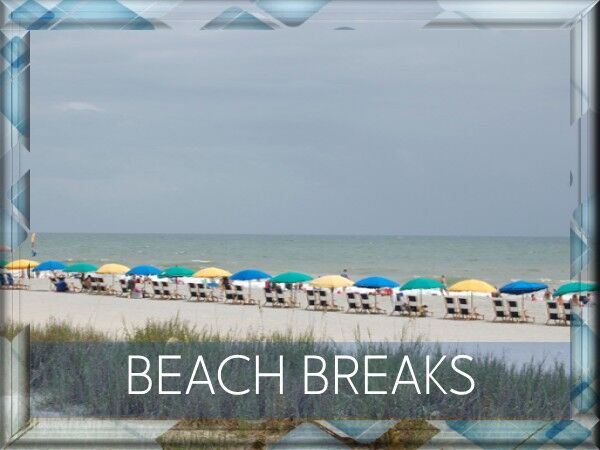
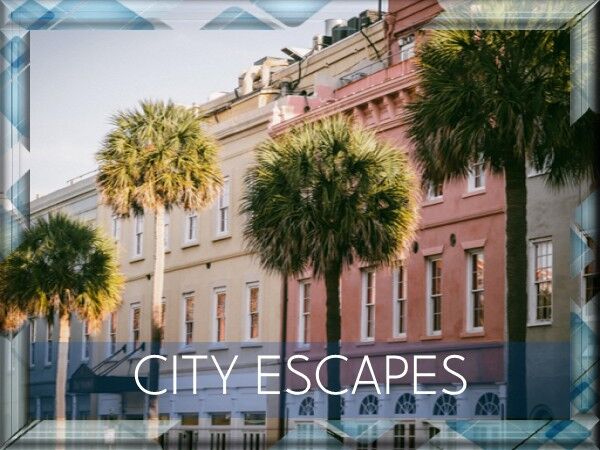
South Carolina charms visitors with its beautiful beaches, historic cities, and scenic coastal landscapes. Travelers can stroll through the cobblestone streets of Charleston, relax along the shores of Myrtle Beach, or explore the picturesque Lowcountry. From rich history and Southern cuisine to outdoor recreation and waterfront views, South Carolina offers a memorable getaway for every traveler.
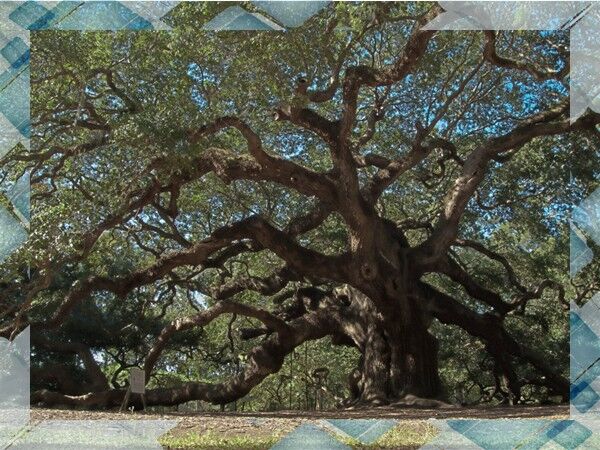
Angel Oak
One of South Carolina’s most treasured natural landmarks is the magnificent Angel Oak on Johns Island, just outside Charleston. Believed to be between 400 and 500 years old, the Southern live oak stands about 65 feet tall, with a trunk measuring roughly 28 feet in circumference. Its enormous branches spread outward to create a canopy covering more than 17,000 square feet, making it one of the largest and most impressive live oak trees in the United States.
Standing beneath its sprawling limbs is a humbling reminder that this remarkable tree was already centuries old when the American colonies were first established.
Historic and cultured, South Carolina is a state deeply rooted in the past. This relatively small, wedge-shaped state between Georgia and North Carolina has played an outsized role in American history, yet today its emphasis is firmly on enjoying the good life. Tourism, manufacturing, and agriculture now drive much of the state’s economy, drawing visitors to its beaches, historic cities, and scenic countryside.
In a single day, you can travel from the Blue Ridge Mountains in the northwest through the state capital of Columbia and on to the wide beaches of the Grand Strand at Myrtle Beach, the cobblestone streets and elegant homes of Charleston, or the world-class resorts of Hilton Head Island. Along the way you’ll pass through the rolling Sandhills, the cypress swamps and tidal creeks of the Lowcountry, and landscapes that have shaped South Carolina’s history for centuries.
War and War
Much of South Carolina is covered by forests, while its rugged coastline is lined with the sabal palmetto, the state tree that inspired its nickname, “The Palmetto State.”
In 1729, the British divided the Province of Carolina into North and South Carolina, finding the vast colony increasingly difficult to govern. The fertile Lowcountry became ideal for growing rice, indigo, and later cotton, creating immense wealth for plantation owners and establishing one of the wealthiest colonial societies in North America.
South Carolina became a major battleground during the American Revolution, with more than 200 skirmishes and battles fought within its borders. One of the most famous occurred at Fort Moultrie near Charleston, where walls built from resilient palmetto logs absorbed British cannon fire so effectively that many of the cannonballs simply embedded themselves rather than shattering the fort.
As tensions over slavery grew, South Carolina became the first state to secede from the Union in December 1860. Just months later, Confederate artillery opened fire on Fort Sumter in Charleston Harbor, beginning the American Civil War.
Southern Traditions
Agriculture remains an important part of South Carolina’s economy. Tobacco was once a dominant cash crop, but today poultry, peaches, soybeans, and peanuts play larger roles. South Carolina proudly calls itself the “Peach State” and ranks among the nation’s leading peach producers—second only to California.
Fresh seafood is a staple along the coast, and no Southern meal feels complete without a glass of sweet tea. Many South Carolinians also claim their state as the birthplace of sweet tea, a refreshing drink that has become a symbol of Southern hospitality.
The state’s warm, humid climate brings long summers, occasional hurricanes along the coast, and the rare earthquake—a reminder of the powerful 1886 Charleston earthquake, one of the strongest ever recorded in the eastern United States.
Although South Carolina has no major professional sports franchises, it has earned a worldwide reputation for golf. The game has deep roots here, and today the state boasts more than 350 golf courses, including many of the country’s finest on Hilton Head Island and along the Grand Strand.
South Carolina has also produced an impressive lineup of entertainers. James Brown, Dizzy Gillespie, and Chubby Checker all hailed from the Palmetto State. Charleston even gave its name to the wildly popular dance craze of the Roaring Twenties, forever linking the city with one of America’s most energetic dances.
STATEHOOD
May 23, 1788
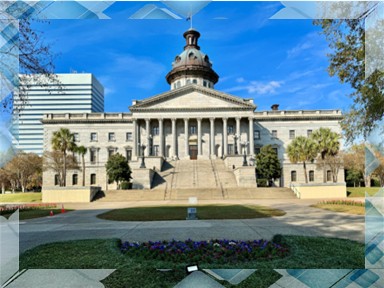
CAPITAL CITY
Columbia
STATE PARKS
South Carolina has 47 state parks.
NATIONAL PARKS
South Carolina is home to one national park.
- Congaree National Park
FUN FACTS
South Carolina is home to a 2,000-acre barrier island of free-roaming monkeys.
Before embracing the Palmetto nickname, SC marketed itself as “The Iodine State” in the 1920s to promote the high iodine levels found in its locally grown produce.
In 1988, the rural town of Bishopville made headlines when locals reported a 7-foot-tall, green-scaled “Lizard Man” with red eyes and three-toed feet attacking cars.
Located in Bowman, SC, this quirky roadside attraction features a 42-foot-wide flying saucer built entirely by a local resident out of satellite dishes and wood.
South Carolina has an official state dance called “The Shag,” a smooth, swing-style dance born along the Carolina beaches in the 1940s.
Packages Coming Soon!

Packages Coming Soon!

Packages Coming Soon!

Packages Coming Soon!