Discover. Explore. Enjoy new Horizons!
UTAH
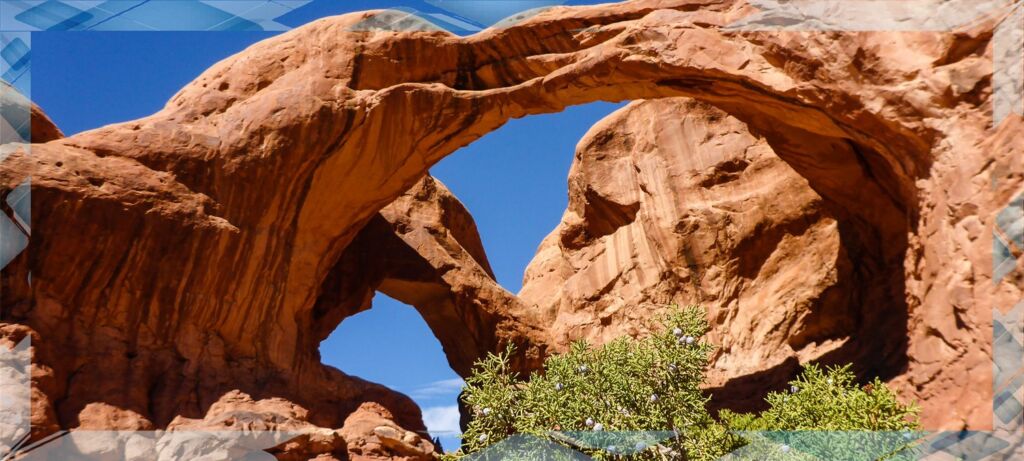
Visitors to Utah are treated to dramatic red rock landscapes, towering canyons, and some of the most breathtaking scenery in the American West. Adventure seekers can explore world-famous parks such as Zion National Park and Arches National Park, enjoying hiking, rock climbing, and unforgettable scenic drives. From snow-capped mountains to vast desert vistas, Utah offers year-round opportunities for outdoor recreation and discovery.
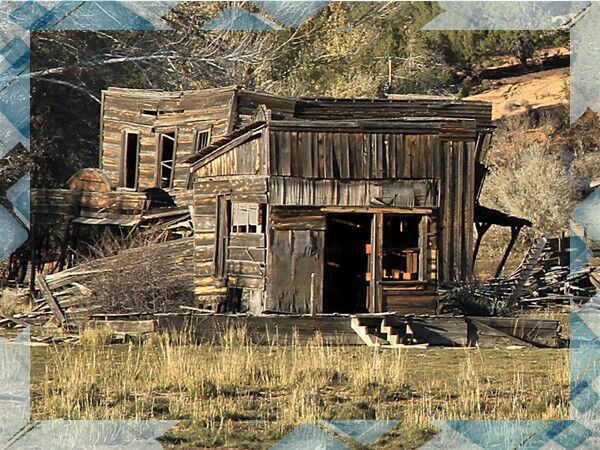
Utah in the Movies
Utah’s spectacular landscapes have long attracted filmmakers. Monument Valley, in particular, became the backdrop for countless classic Westerns, helping define the visual image of the American frontier. More recently, Utah provided the setting for the famous closing scene of the film Thelma & Louise, further cementing its place in cinematic history.
In terms of quality of life, education, employment, and other key measures, Utah is often ranked among the best states in America. The Beehive State is blessed with spectacular scenery, clear skies, and endless opportunities for outdoor recreation, including some of the finest skiing in the world. It also has the youngest population in the United States.
The two things most people associate with Utah are Mormons and salt. Members of the Church of Jesus Christ of Latter-day Saints make up a majority of the state’s population, and their industrious spirit has helped shape Utah’s culture and identity. When the first Mormon settlers arrived, they called the region “Deseret,” a word from the Book of Mormon meaning honey bee. The bee symbolized the hard work required to transform the desert into a thriving homeland, which is why Utah became known as the Beehive State. Contrary to popular belief, however, the nickname has nothing to do with an abundance of bees.
Crickets, on the other hand, have played a significant role in Utah’s history. During the 1840s, swarms of crickets threatened to destroy the settlers’ crops. According to legend, flocks of California gulls arrived and devoured the insects, saving the harvest and helping the settlers survive. The event became known as the “Miracle of the Gulls,” and the California gull was later adopted as Utah’s state bird.
The Great Salt Lake
For much of its early history, Utah was largely overlooked by European settlers. Spanish explorers passed through the region, and a few fur trappers ventured across its rugged landscapes, but few saw it as a desirable place to settle. Most approached from the south, where the dramatic rock formations were impressive but the harsh desert environment seemed unsuitable for building a permanent home.
That perception began to change in 1834 when frontiersman Jim Bridger became one of the first European Americans to identify the Great Salt Lake. Considering its immense size, it is surprising that it had remained largely unknown to outsiders for so long. Although the lake’s extremely salty waters contain little aquatic life, Bridger’s discovery attracted growing attention to the region.
In 1847, the first Mormon pioneers arrived in the Salt Lake Valley. For them, the area’s greatest appeal was its isolation. Far from the settled eastern states, they believed they could practice their religion in peace. Their arrival marked the beginning of Salt Lake City and the transformation of Utah into a thriving community.
High and Dry
Throughout much of the 19th century, Utah remained relatively isolated from the rest of the nation. The territory gained strategic importance during the 1860s when the final links of the first transcontinental telegraph and, later, the transcontinental railroad were completed within its borders. Beyond that, national attention was often focused on the Mormon practice of polygamy. After church leaders officially abandoned the practice, Utah was admitted to the Union as the 45th state on January 4, 1896.
Around the turn of the 20th century, the rest of the country began to appreciate what Utah had to offer. Visitors discovered the towering sandstone buttes of Monument Valley, natural rock bridges glowing red in the sunlight, deep canyons, winding rivers, and vast salt flats where sunsets paint the landscape in brilliant colors. Above all, they discovered the mountains.
Given Utah’s desert reputation, many people are surprised by the amount of snow it receives. The state has an average elevation of more than 6,000 feet, and the Great Salt Lake acts like a giant snow machine, producing the dry, powdery snow that skiers dream about. The quality of Utah’s snow became internationally famous when Salt Lake City hosted the 2002 Winter Olympics, showcasing some of the best skiing conditions in the world.
Utah’s notable residents reflect the state’s unique character and diversity. They include outlaw Butch Cassidy, entertainers the Osmonds, and hotel entrepreneur Willard Marriott, founder of the global Marriott hotel chain.
STATEHOOD
January 4, 1896
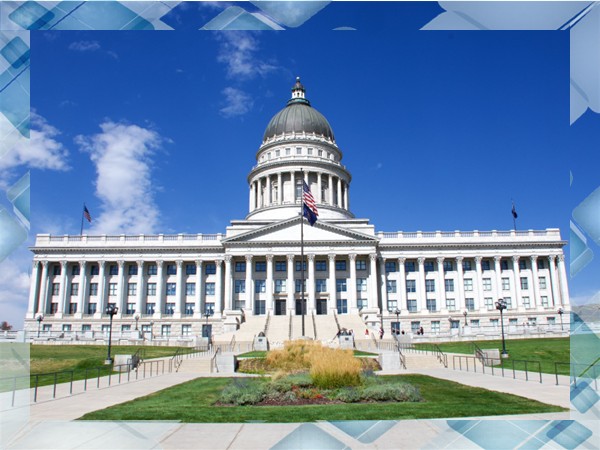
CAPITAL CITY
Salt Lake City
STATE PARKS
Utah has 46 state parks.
NATIONAL PARKS
Utah is home to five national parks.
- Zion National Park
- Bryce Canyon National Park
- Capitol Reef National Park
- Canyonlands National Park
- Arches National Park
FUN FACTS
Forget massive whales or giant sequoias—Utah is home to “Pando,” an 80,000-year-old quaking aspen forest in the Fishlake National Forest. All 47,000 genetically identical trees share a single, massive underground root system that weighs over 13 million pounds.
The Great Salt Lake has a high concentration of minerals and salt, but it is split in half by a railroad causeway built in the 1950s. Because of the varying salinity, the northern and southern halves exhibit completely different colors—one side is blue-green, and the other is a striking, neon pink.
It’s the only state in the U.S. to designate an official cooking pot. The legislature made the Dutch oven an official state symbol in 1997 to honor pioneering camp-cooking traditions.
There is a town in central Utah called Levan—which is “navel” spelled backward.
Located in Farmington, Lagoon Amusement Park has been operating since 1886 and features an original 1921 wooden roller coaster affectionately named “Old Woodie”.
Homestead Crater in Midway features a 55-foot-tall geothermal limestone dome with 96-degree water inside. It is the only place in the continental U.S. that allows warm-water scuba diving within a natural crater.

Packages Coming Soon!
Packages Coming Soon!
Packages Coming Soon!

Packages Coming Soon!

Packages Coming Soon!