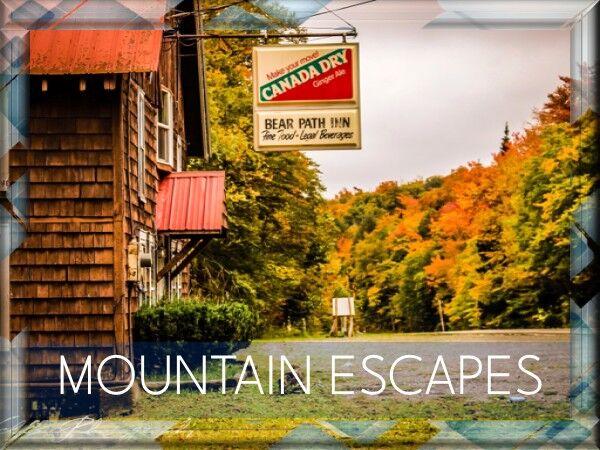
Discover. Explore. Enjoy new Horizons!
VERMONT
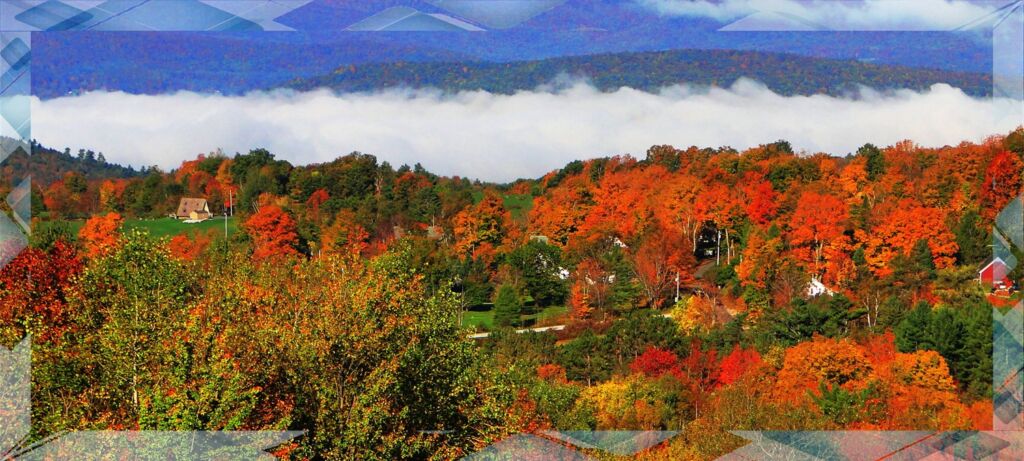
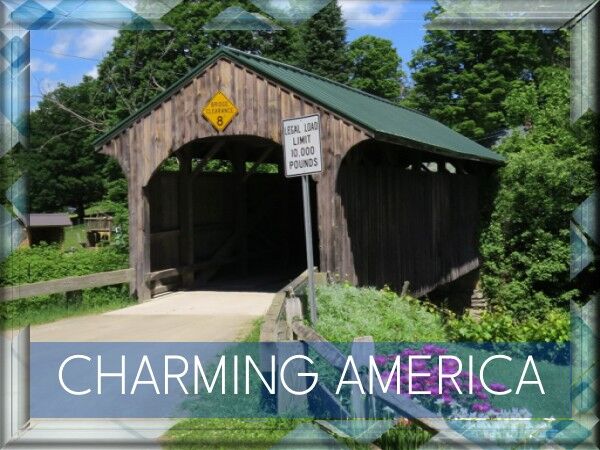
Nestled in the heart of New England, Vermont enchants visitors with its rolling green mountains, charming villages, and spectacular fall foliage. Outdoor enthusiasts can enjoy hiking, skiing, and scenic drives through the beautiful Green Mountains, while food lovers can savor fresh maple syrup, artisan cheeses, and farm-to-table cuisine. With its historic covered bridges, welcoming small towns, and peaceful countryside, Vermont offers a relaxing getaway in every season.
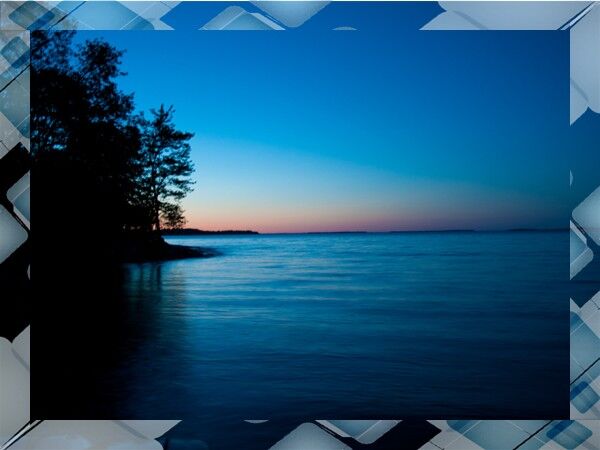
Lake Champlain
Measuring 125 miles in length and 14 miles in breath at its widest point, Lake Champlain is the largest freshwater lake in the USA after the Great Lakes. There’s talk of a monster in the lake rather like the Loch Ness Monster, but, like Nessie, Champ has so far proven to be nothing more than a myth.
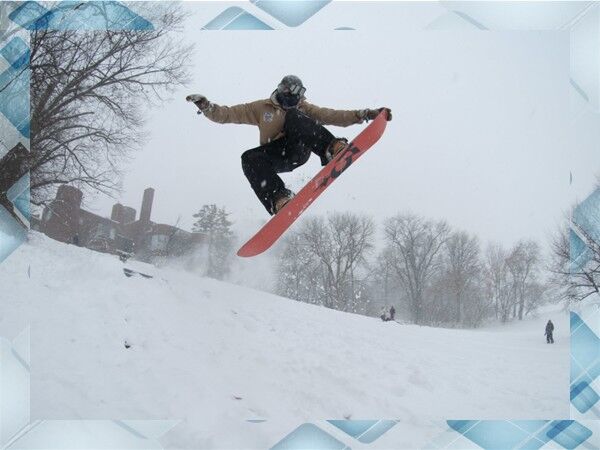
Snowboarding
Snowboarding was developed in the mountains of Vermont, thanks to Jake Burton of Burton Snowboards. He perfected his boards and tested them on the slopes of Stratton Mountain in the 1970s. He also campaigned for local ski resorts to open their lifts to snowboard riders.
Small, peaceful, and sparsely populated, Vermont is a conservationist’s dream—a land of milk and maple syrup. Much of this mountainous state is blanketed in forests, and Vermonters have worked hard to preserve its natural beauty by banning roadside billboards, limiting high-rise development, and protecting the rural character that makes the state so distinctive.
Vermont consistently ranks among the healthiest states in the nation. It produces more maple syrup than any other state, enjoys one of the lowest violent crime rates in the country, and is famous for its fresh dairy products. Whether there’s a connection between maple syrup, fresh mountain air, and an easygoing lifestyle is open to debate, but if the cure for life’s stresses is apple pie topped with ice cream, Vermont may well have discovered the secret. Fortunately, it has shared at least part of that secret with the rest of the world through Ben & Jerry’s ice cream.
Green Mountains
The name “Vermont” comes from the French words vert mont, meaning “green mountain.” French explorers were the first Europeans to venture into this region, where Indigenous peoples, including the Mohican and Abenaki, had lived for centuries.
Although Britain gained control of the area following the French and Indian War in 1763, ownership remained disputed between the colonies of New York and New Hampshire. As the American Revolution unfolded, Vermont declared itself an independent republic in 1777. For the next 14 years it governed itself as the independent Vermont Republic, adopting one of the world’s first constitutions to prohibit adult slavery and guarantee several civil liberties.
On March 4, 1791, Vermont became the 14th state admitted to the United States and the first to join after the original thirteen colonies. Its capital, Montpelier, was given a French name in recognition of France’s support during the Revolutionary War. Today, with a population of only about 8,000 residents, Montpelier remains the smallest state capital in the nation.
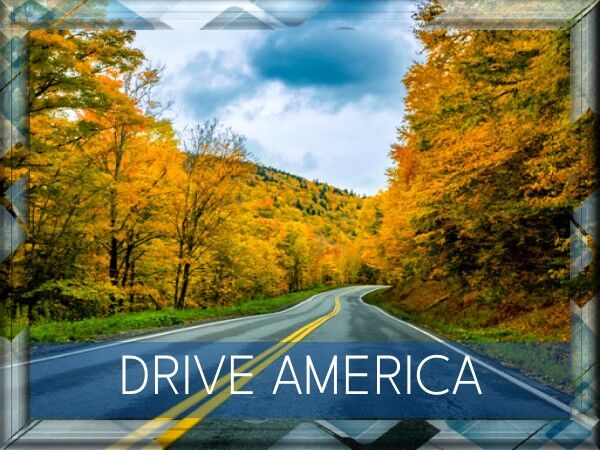
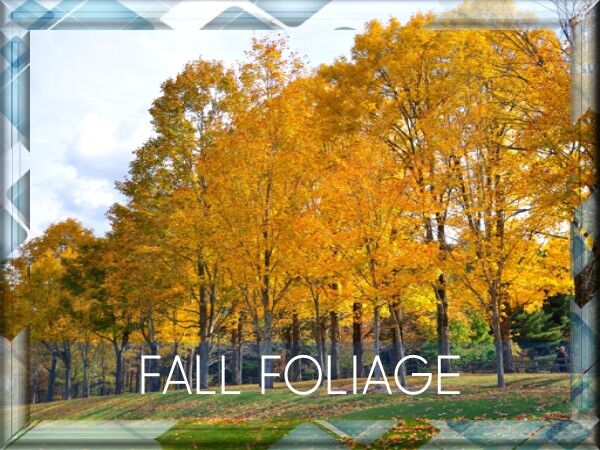
The Green Mountains stretch nearly the entire length of the state, while Green Mountain National Forest provides habitat for black bears, moose, white-tailed deer, and countless other species. It is a paradise for hikers, especially in autumn, when the forests explode into brilliant shades of red, orange, and gold during New England’s world-famous fall foliage season.
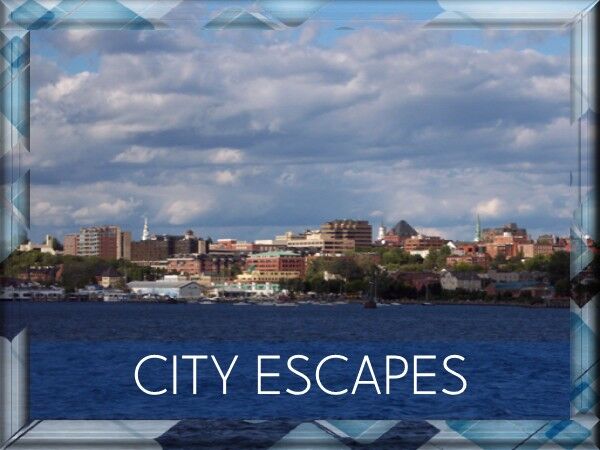
Vermont is the only New England state without an Atlantic coastline, but it makes up for it with magnificent Lake Champlain, which forms much of its western border with New York. The state’s largest city, Burlington, sits on the lake and serves as a lively center for boating, dining, and outdoor recreation.
Along Vermont’s eastern edge, the Connecticut River marks the border with New Hampshire. Between these two waterways lies the quiet village of Plymouth Notch, birthplace of Calvin Coolidge, the 30th President of the United States, who led the nation through much of the prosperity of the Roaring Twenties. Today, the village has been carefully preserved, offering visitors a glimpse into rural New England as it appeared more than a century ago.
STATEHOOD
March 4, 1791
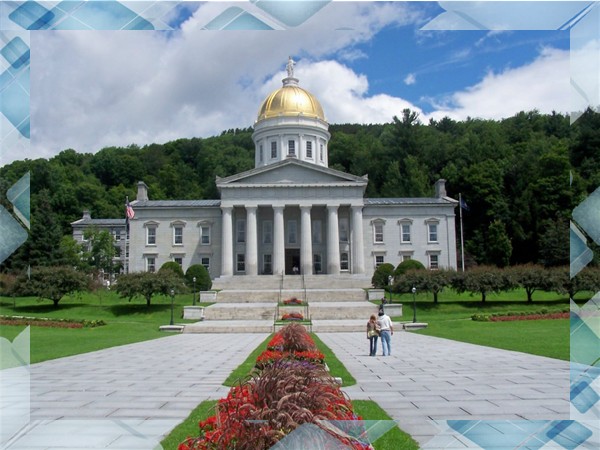
CAPITAL CITY
Montpelier
STATE PARKS
Vermont has 55 state parks.
NATIONAL PARKS
Vermont has no official national parks but is home to three units operated by the National Park Service.
FUN FACTS
By state law, if you order apple pie (the state pie), a “reasonable effort” must be made to serve it with a glass of cold milk, a scoop of vanilla ice cream, or a slice of cheddar cheese.
Montpelier is famously the only state capital in the United States without a McDonald’s.
Along with Alaska, Hawaii, and Maine, Vermont has entirely banned billboards to preserve its natural scenery.
With nearly 65% of its population living in rural areas, the state actually has more miles of unpaved dirt roads than paved roads.
Packages Coming Soon!
Packages Coming Soon!
Packages Coming Soon!
Packages Coming Soon!
Packages Coming Soon!