Discover. Explore. Enjoy new Horizons!
NORTHWEST TERRITORIES
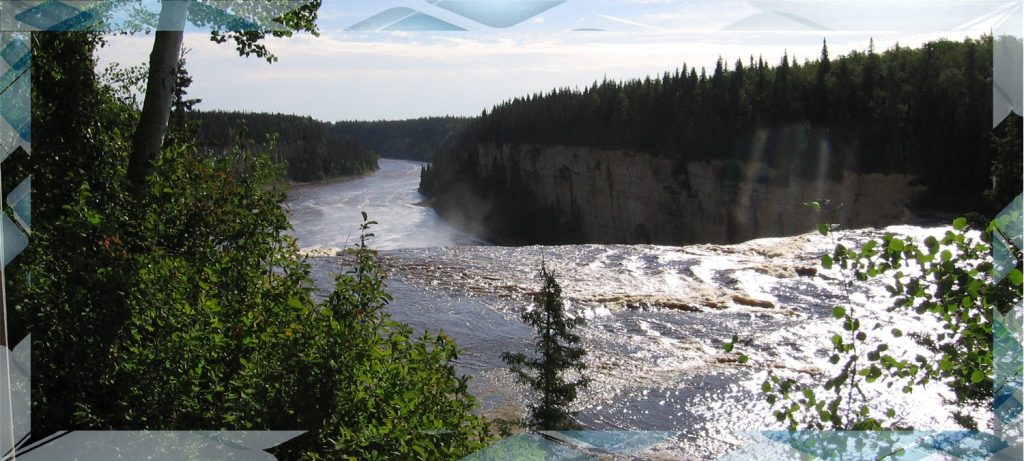
Picture Caption

Caption
Lorem ipsum dolor sit amet, consectetur adipiscing elit. Ut elit tellus, luctus nec ullamcorper mattis, pulvinar dapibus leo.
Caption
Lorem ipsum dolor sit amet, consectetur adipiscing elit. Ut elit tellus, luctus nec ullamcorper mattis, pulvinar dapibus leo.
Caption
Lorem ipsum dolor sit amet, consectetur adipiscing elit. Ut elit tellus, luctus nec ullamcorper mattis, pulvinar dapibus leo.
Known for its vast wilderness, crystal-clear lakes, rugged tundra, and some of the world’s most spectacular displays of the Aurora Borealis, the Northwest Territories is one of Canada’s three northern territories. Stretching from the boreal forests of central Canada to the Arctic Ocean, the Northwest Territories covers more than 519,700 square miles, making it the second-largest province or territory in Canada. Despite its immense size, fewer than 50,000 people call the territory home, leaving much of its mountains, forests, rivers, and tundra virtually untouched.
The Northwest Territories experiences a subarctic climate in the south and an Arctic climate in the north, with long, cold winters and short, mild summers. Winter temperatures frequently plunge well below 0°F, while summer brings nearly continuous daylight to the northernmost regions. The territory’s diverse landscapes support an impressive variety of wildlife, including barren-ground and woodland caribou, muskoxen, moose, black bears, grizzly bears, wolves, Arctic foxes, bison, polar bears along the northern coast, and hundreds of migratory bird species. Combined with its remote landscapes and pristine wilderness, this remarkable biodiversity has made the Northwest Territories one of Canada’s premier destinations for wildlife viewing, fishing, and outdoor adventure.
A Land Shaped by Indigenous Cultures and Northern Exploration
For thousands of years before European contact, the Northwest Territories was home to Indigenous peoples including the Dene, Inuvialuit, Métis, and Cree. Their deep knowledge of the land, rivers, forests, and Arctic environment continues to shape the territory’s culture and identity today.
European fur traders arrived during the eighteenth century, establishing trading posts throughout the region as part of the Hudson’s Bay Company’s expanding fur trade. Throughout the nineteenth century, explorers traveled the territory’s vast river systems in search of new trade routes and the Northwest Passage. In 1870, the region became part of Canada following the transfer of Rupert’s Land from the Hudson’s Bay Company. Over time, portions of the territory were used to create several Canadian provinces and territories, including Alberta, Saskatchewan, Nunavut, and Yukon, leaving the Northwest Territories with its present boundaries.
Today, mining remains one of the territory’s most important industries, particularly the production of diamonds, along with transportation, tourism, renewable energy, and government services. Traditional hunting, fishing, and Indigenous cultural practices also continue to play a vital role throughout the territory.
Great Lakes, Arctic Landscapes, and Northern Adventure
Although the Northwest Territories is renowned for its remote wilderness, it is equally famous for its immense freshwater lakes and spectacular natural wonders. Great Bear Lake, the largest lake entirely within Canada, and Great Slave Lake, the deepest lake in North America, offer exceptional opportunities for boating, paddling, fishing, and wildlife viewing. Nahanni National Park Reserve, a UNESCO World Heritage Site, protects dramatic canyons, hot springs, alpine landscapes, and the breathtaking Virginia Falls, which is nearly twice the height of Niagara Falls. Visitors can also explore Wood Buffalo National Park, home to the world’s largest free-ranging herd of wood bison and one of the planet’s largest inland freshwater deltas.
Yellowknife, the territorial capital, sits on the northern shore of Great Slave Lake and serves as the cultural and economic heart of the territory. Known as one of the best places on Earth to view the Aurora Borealis, the city also offers museums, Indigenous cultural experiences, historic Old Town, and access to world-class fishing and outdoor recreation. Throughout the territory, remote communities, winter ice roads, and scenic waterways provide unforgettable opportunities to experience Canada’s vast northern wilderness.
From frozen Arctic tundra and towering waterfalls to crystal-clear lakes and brilliant northern lights, the Northwest Territories offers an extraordinary blend of natural beauty, Indigenous heritage, and adventure. Whether paddling a wild northern river, witnessing the Aurora Borealis dance across the sky, exploring ancient landscapes, or discovering vibrant Indigenous cultures, visitors quickly understand why the Northwest Territories remains one of Canada’s most remarkable and unforgettable destinations.
BECAME A PROVINCE
Lorem ipsum dolor sit amet, consectetur adipiscing elit. Ut elit tellus, luctus nec ullamcorper mattis, pulvinar dapibus leo.
CAPITAL CITY
Lorem ipsum dolor sit amet, consectetur adipiscing elit. Ut elit tellus, luctus nec ullamcorper mattis, pulvinar dapibus leo.
STATE PARKS
Lorem ipsum dolor sit amet, consectetur adipiscing elit. Ut elit tellus, luctus nec ullamcorper mattis, pulvinar dapibus leo.
NATIONAL PARKS
Lorem ipsum dolor sit amet, consectetur adipiscing elit. Ut elit tellus, luctus nec ullamcorper mattis, pulvinar dapibus leo.
FUN FACTS
Lorem ipsum dolor sit amet, consectetur adipiscing elit. Ut elit tellus, luctus nec ullamcorper mattis, pulvinar dapibus leo.
Add Your Heading Text Here
Add Your Heading Text Here
Add Your Heading Text Here
Add Your Heading Text Here
Add Your Heading Text Here
Add Your Heading Text Here
Add Your Heading Text Here