Live in the now!
Alaska
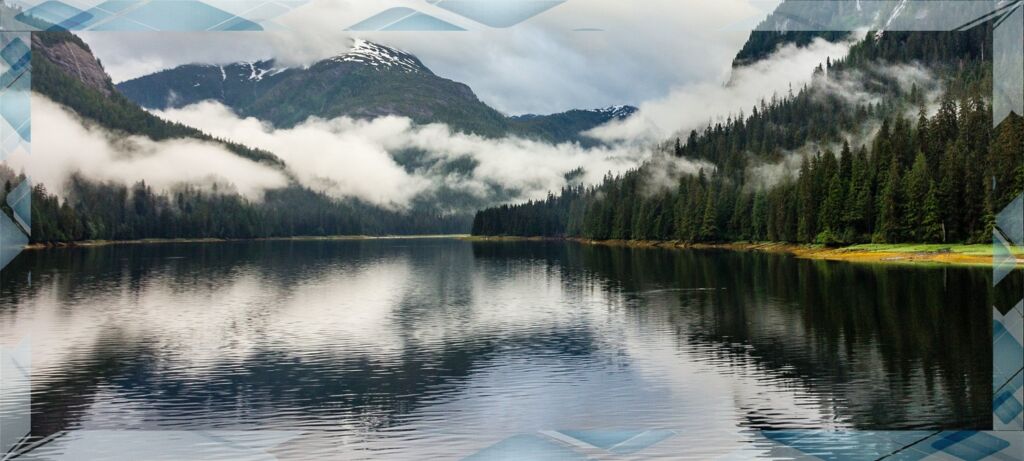
Alaska is the largest and northernmost U.S. state, known for its vast wilderness, rugged mountains, glaciers, and abundant wildlife. Despite its remote location and harsh climate, it is rich in natural resources and offers some of the most dramatic landscapes in North America.
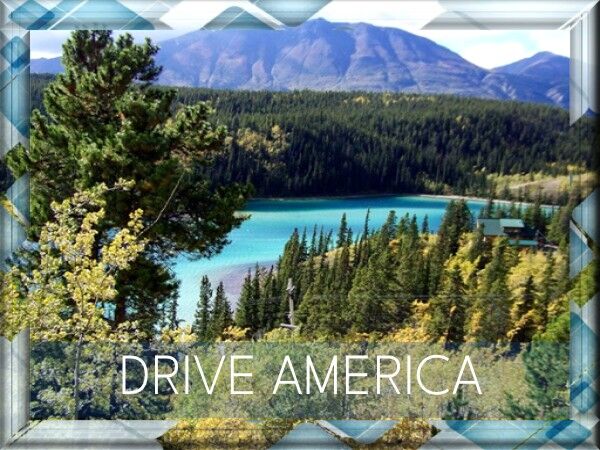
Coming Soon!
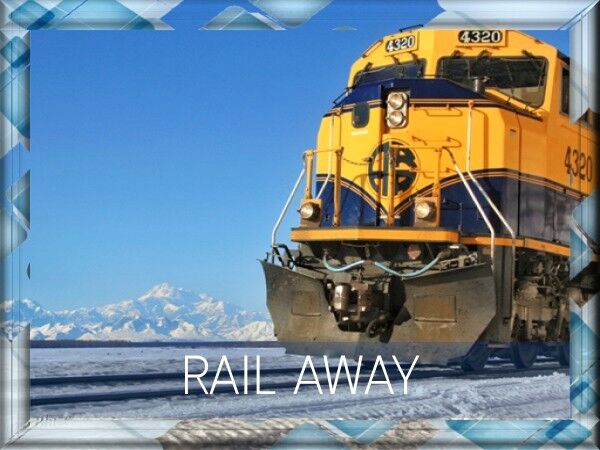
Coming Soon!

Coming Soon!
Famous for its towering snow-capped mountains, magnificent glaciers, thundering rivers, and spectacular wildlife, Alaska is the largest state in the United States and the least densely populated. To put its size into perspective, Alaska is 13 times larger than Alabama, yet it has only one-sixth of the population. It is one of the world’s last great natural wildernesses—a vast land of rock, ice, volcanoes, lakes, and sea located in the northwestern corner of the North American continent. In fact, Alaska lies closer to Russia (just 51 miles away across the Bering Strait) than it does to the contiguous United States, which is separated by more than 500 miles of Canadian territory.
The climate can be brutally cold, with temperatures in the interior sometimes plunging to -80°F, but these harsh conditions support an extraordinary variety of wildlife. Alaska is home to brown, black, and polar bears, as well as wolves, moose, caribou, and bald eagles. Its long coastline also attracts numerous species of whales that migrate to Alaskan waters each year, adding to the state’s reputation as one of the most remarkable natural environments on Earth.
From Russia With Love
Alaska became the property of the United States on March 30, 1867, when it was purchased from the Russian Empire for $7.2 million; an amount equal to roughly $140 million today. Long before this historic sale, Alaska was home to many Indigenous peoples, including the Tlingit, Haida, and Aleut, whose name lives on in the Aleutian Islands, the vast chain stretching westward from the Alaskan mainland. These peoples are believed to have arrived thousands of years ago from what is now Russia by crossing a prehistoric “land bridge” that once connected Asia and North America when the Bering Strait was above sea level.
The early years of the twentieth century brought a dramatic rise in Alaska’s population, fueled first by the Klondike Gold Rush in neighboring Yukon Territory and later by a second gold rush in the town of Nome. Yet gold proved to be only a temporary source of fortune. More enduring industries emerged in logging and fishing, developed largely by settlers from Norway and Sweden. These industries became the backbone of Alaska’s economy and remain important to the state to this day.
Earthquake!
On January 3, 1959, Alaska was admitted to the Union as the 49th state of the United States. Although it shares no direct land connection with the contiguous United States, it remains one of the nation’s most dramatic and strategically significant regions. Alaska is home to more than 70 active volcanoes and experiences at least 5,000 earthquakes every year, making it one of the most geologically active places on Earth.
On Friday, March 27, 1964, Alaska was struck by the second-largest earthquake ever recorded. Known as the Good Friday Earthquake, the disaster occurred near Anchorage during the afternoon and measured a staggering magnitude of 9.2. The quake tore open massive fissures in the ground, destroyed entire villages, and triggered a tsunami powerful enough to be detected as far away as Antarctica.
Although Juneau is the state capital, Anchorage is Alaska’s largest metropolitan area and home to roughly half of the state’s population. Anchorage rose to prominence as the headquarters of the Alaska Railroad Project, which created a vital rail link carrying freight and passengers nearly 470 miles north into the Alaskan interior.
Juneau became the capital in 1906, replacing Sitka, which had served as the capital during Russian rule. The city was originally named Rockwell and later Harrisburg, after gold prospector Richard Harris. However, another prospector, the Canadian-born Joe Juneau, ultimately succeeded in attaching his own name to the settlement. Surrounded by rugged mountains and dense wilderness, Juneau has no roads connecting it to the rest of North America and relies entirely on sea and air travel for access to the outside world.
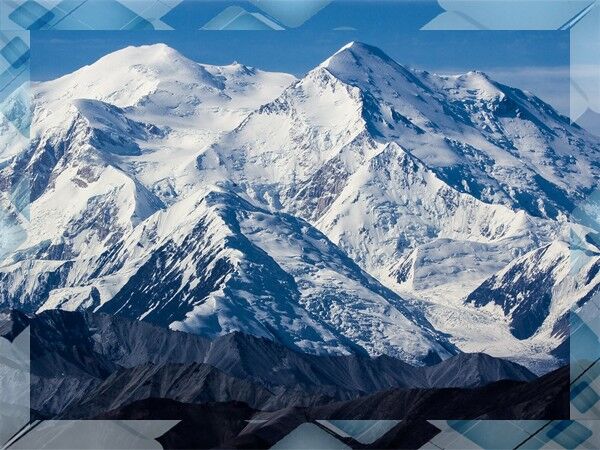
Mount Denali
Mount Denali
Rising to a staggering 20,237 feet (nearly four miles above sea level), Mount Denali is the highest mountain in North America and one of the tallest peaks in the world. It forms part of the Alaska Range, a rugged chain of mountains stretching some 600 miles across the state and containing many other towering summits. Denali stands at the heart of Denali National Park, deep within Alaska’s vast interior wilderness.
Remarkably, scientists have discovered fish fossils high on the slopes of the mountain, evidence that parts of this mighty peak were once submerged beneath an ancient sea millions of years ago. Today, Denali remains one of Alaska’s greatest natural wonders, dominating the landscape with its immense size, icy slopes, and unpredictable weather.
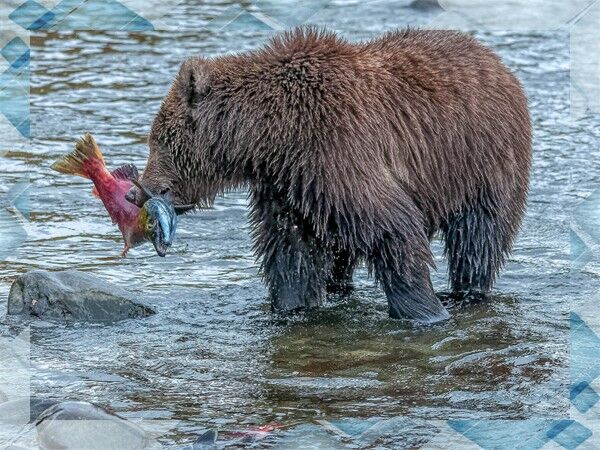
Bear Essentials
The grizzly bear is a subspecies of the brown bear, but Alaska is also home to an even larger relative: the mighty Kodiak bear. Found mainly on the Kodiak Archipelago, these enormous animals are among the largest land carnivores on Earth. Large males can stand nearly 10 feet tall on their hind legs and weigh as much as 1,500 pounds.
Alaska is home to an estimated 30,000 brown bears, making it the best place in North America to witness these magnificent creatures in the wild. From salmon-filled rivers to remote coastal forests, the state provides an ideal habitat for bears to thrive, and sightings of these powerful animals are among Alaska’s greatest natural attractions.
Statehood
January 3, 1959
Fun Facts
- The world’s largest king salmon was caught in the Kenai River weighing in at 126 pounds.
- Alaska has more coastline than the other 49 states combined.
- Alaska is home to more bald eagles than all of the other states combined.
- There is no poison ivy, poison oak, or poison sumac growing naturally in the state of Alaska.