Live in the now!
California

The Golden Gate Bridge was built between 1933 and 1937. During its construction, a safety net hanging beneath it saved the lives of 19 workers.

Coming Soon!

Coming Soon!

Coming Soon!
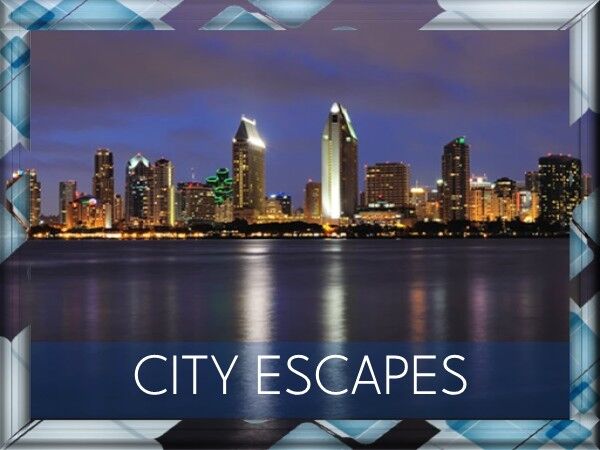
Coming Soon!
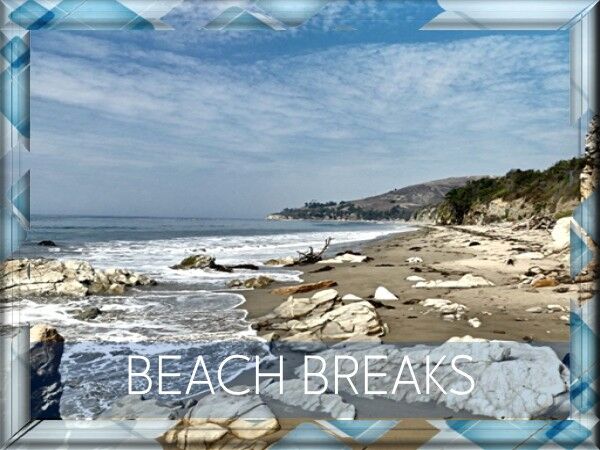
Coming Soon!
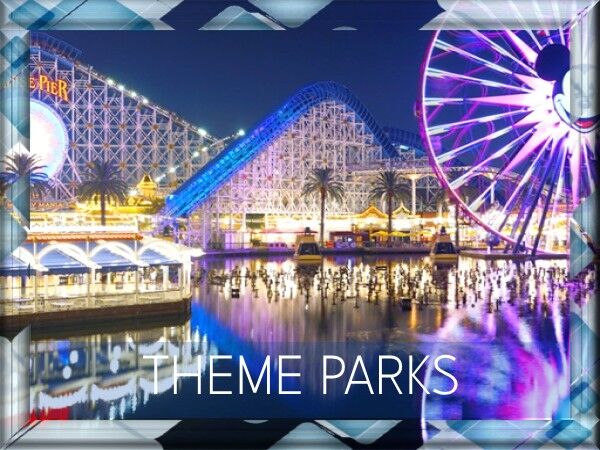
Coming Soon!
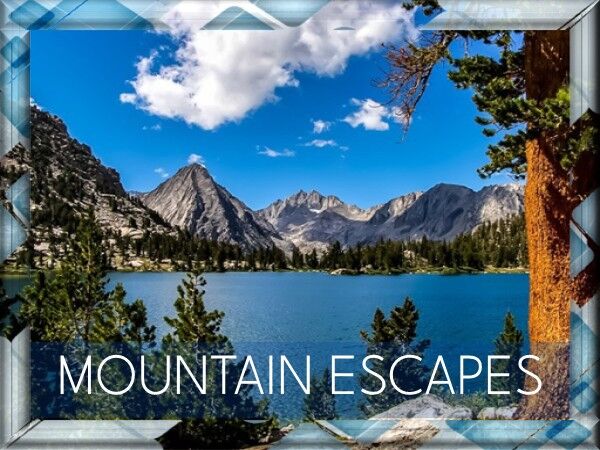
Coming Soon!
California is a land of extremes, stretching along 770 miles of the U.S. West Coast and ranking as the most populous state in the nation. It is the third largest by area and features remarkable contrasts, from the world’s oldest trees to the lowest point in North America, while also serving as a global center for the film, technology, and wine industries.
Its name is thought to come from Queen Calafia, a legendary figure in a 16th-century Spanish novel by Garci Rodríguez de Montalvo. Spanish explorers first reached the coast in the 1500s, and by the 1700s established missions and settlements that later grew into cities such as Los Angeles and San Jose. For much of its early history, California was lightly populated, home mainly to Native American communities alongside Spanish, Mexican, European, and Asian settlers. From 1821 to 1847, it was part of Mexico as Alta California, until the Mexican-American War brought it under United States control in 1848.
Population Boom
After the Mexican-American War, California’s non-Native population was estimated at around 8,000. Within just five years, it had surged to roughly 300,000 due to the California Gold Rush of 1849. The “49ers,” as these newcomers were called, often lived in harsh, overcrowded conditions, and many died from disease, accidents, and conflict. At the same time, tens of thousands of Native Americans were displaced from their lands and suffered severe population losses due to starvation, violence, and diseases introduced by incoming settlers from Europe and China.
In the later 19th century, California became more closely integrated into the United States through major infrastructure developments, including the First Transcontinental Railroad and highways such as Route 66. These routes opened up the state’s interior, encouraged further migration, and helped expand California’s growing agricultural economy.
Cool Coast
California features an extraordinary range of landscapes, from fertile agricultural valleys and arid deserts to the soaring peaks of the Sierra Nevada and the vast Pacific coastline. Its climate is largely Mediterranean, with cool, ocean-influenced temperatures along the coast that give way to hotter, drier conditions inland beyond the mountain ranges. The state also sits along the San Andreas Fault, where the Pacific and North American tectonic plates meet and periodically shift, producing significant earthquakes. One of the most devastating was the 1906 San Francisco earthquake, which killed at least 600 people and destroyed much of the city. By then, San Francisco had grown rapidly from a small settlement of about 500 people at the start of the Gold Rush to a major urban center of 342,782 residents by the 1900 census. Nearby, the fertile Napa and Sonoma Valleys were transformed into major wine-producing regions as vineyards expanded across the area.
In the early 20th century, California’s growth and engineering ambitions produced enduring landmarks, including the Golden Gate Bridge, completed in 1937, and the federal prison on Alcatraz Island, which operated from 1934 in the middle of San Francisco Bay.
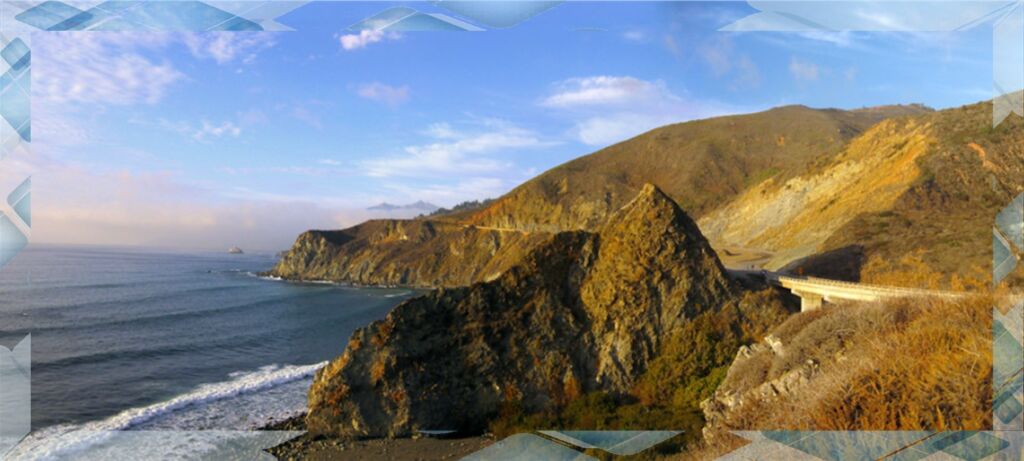
Big Sur is a dramatic stretch of California’s central coast known for its rugged cliffs, redwood forests, and sweeping views of the Pacific Ocean. A haven for road-trippers and nature lovers, it offers some of the most breathtaking scenery along the Pacific Coast Highway.
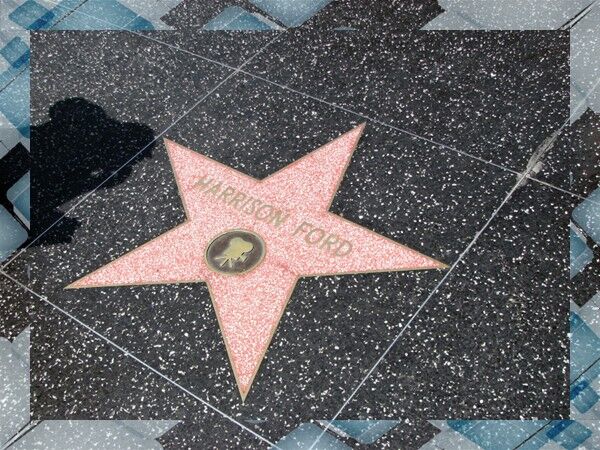
Hollywood
Hollywood, a district of Los Angeles, became the center of the American film industry in the early 20th century, attracted by its mild climate, inexpensive land, and distance from East Coast patent restrictions. Early production companies quickly established studios there, including the Nestor Film Company in 1911, followed by major studios such as Paramount Pictures, Warner Bros., RKO Pictures, and Columbia Pictures.
During the 1920s through the 1940s, Hollywood expanded rapidly as the film industry evolved from silent movies to “talkies” and later to Technicolor productions, transforming global popular culture. It also became known as “Tinseltown,” attracting performers from around the world, including figures such as Greta Garbo and Charlie Chaplin, who helped define its golden age of cinema.
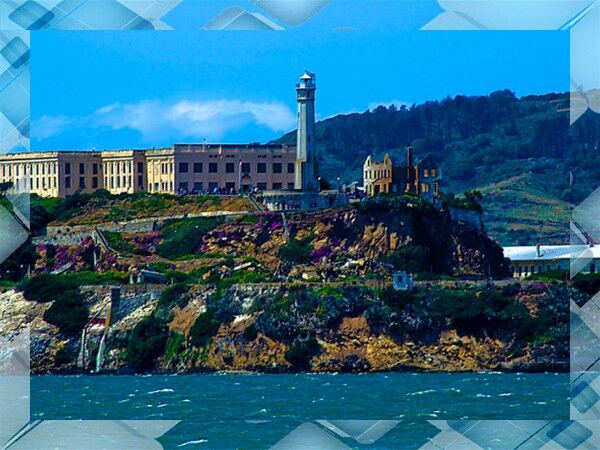
Alcatraz Island
Alcatraz Island is a small island in San Francisco Bay best known for its former federal prison, which operated from 1934 to 1963 and housed some of America’s most notorious criminals, including Al Capone. Originally used as a military fortification and later a military prison, it became a symbol of maximum-security incarceration before closing due to high operating costs and deteriorating facilities; it is now a popular historic site and national park.
Statehood
September 9, 1850
Fun Facts
- California boasts more residents than the entire country of Canada and is the birthplace of global pop-culture staples like fortune cookies, Barbie dolls, and skateboards.
- Mount Whitney reaches 14,495 feet, while just 85 miles away sits Badwater Basin in Death Valley at 282 feet below sea level.
- The state is known for occasionally producing “watermelon snow,” a rare phenomenon where alpine snow turns pink and smells like fresh watermelon due to unique cold-loving algae.
- The state experiences over 100,000 recorded earthquakes every year, though the vast majority are too small to be felt.
- Elephants are strictly prohibited from strolling down Market Street in San Francisco unless they are properly leashed.