Live in the now!
Delaware
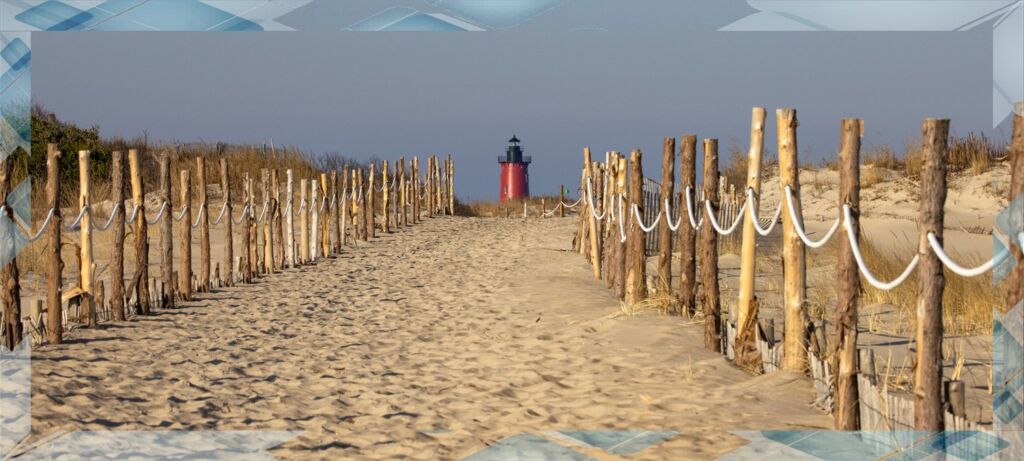
Delaware may be the second-smallest state in the nation, but it has played a significant role in American history as the first state to ratify the U.S. Constitution. Its landscape ranges from charming colonial towns and rolling countryside to sandy Atlantic beaches and coastal wetlands. Today, Delaware is known for its business-friendly laws, tax-free shopping, and popular seaside destinations such as Rehoboth Beach and Cape Henlopen State Park.

Coming Soon!

Coming Soon!

Coming Soon!
Coming Soon!

Coming Soon!
Delaware may be small, measuring just 96 miles from north to south, but its nickname, “The First State,” reflects its outsized role in American history. Home to several influential figures in the movement for independence, Delaware became the first state to ratify the U.S. Constitution on December 7, 1787. The first European settlers arrived from the Netherlands in 1631, but the state ultimately took its name from the English nobleman Thomas West, 3rd Baron De La Warr, who served as governor of the Virginia Colony. In 1682, the region came under the control of William Penn, founder of Pennsylvania, becoming a strategically important coastal extension of his holdings known as the “Lower Counties on the Delaware.”
Revolution!
In 1776, a lawyer from New Castle named Thomas McKean helped persuade the Delaware Assembly that it was time to break away from British rule. When the crucial vote was taken in Philadelphia, McKean rode nearly 70 miles through the night and arrived on July 2, 1776, in time to cast his vote for independence. A month later, he joined fellow Delaware delegates Caesar Rodney and George Read in signing the United States Declaration of Independence. Their actions secured Delaware’s place among the thirteen colonies that founded the United States and demonstrated the state’s early commitment to the cause of independence.
A State Divided
Although slavery played a role in Delaware’s early economy, particularly on its tobacco plantations, attitudes began to change in the late eighteenth century. By the time of the Civil War, many Delawareans sympathized with the Union cause. Delaware remained in the Union and was the only slave state not to raise regiments for the Confederate Army. Nevertheless, opinion within the state was divided, and some residents crossed state lines to enlist in Confederate forces elsewhere.
During the twentieth century, Delaware underwent a significant economic transformation. Tobacco cultivation gradually gave way to corn, dairy, and poultry farming in the southern part of the state, while the north became increasingly industrialized. Today, Delaware is best known as a financial center, with thousands of corporations and banking institutions choosing to incorporate or establish headquarters there because of the state’s business-friendly laws.
Modern Delaware
Yet Delaware offers far more than history and commerce. Its Atlantic coastline is home to some of the nation’s most popular beaches, which are frequently recognized among the cleanest in the United States. Thanks to the state’s compact size, residents and visitors are never far from the shore. Delaware is also one of only a handful of states with no sales tax, making it a favorite destination for shoppers. For those seeking something truly unique, the annual Punkin Chunkin competition showcases teams using elaborate catapults, trebuchets, and other inventive machines to launch pumpkins extraordinary distances across open fields. It is one of Delaware’s most unusual and entertaining traditions.
Revolutionary Words
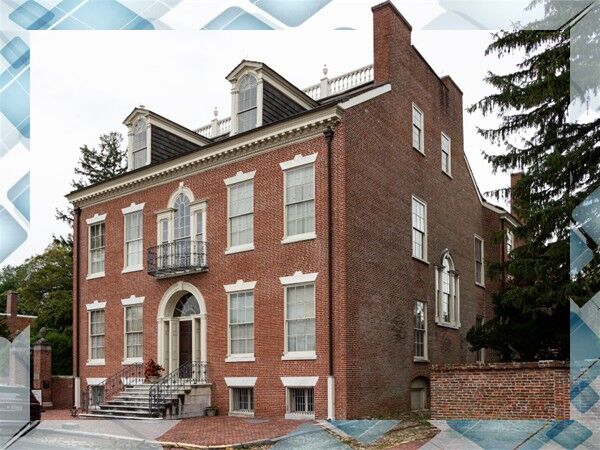
Few Delawareans contributed more to the cause of American independence than John Dickinson. Through a series of influential essays known as the Letters from a Farmer in Pennsylvania, Dickinson helped shape colonial opposition to British policies and earned the nickname “The Penman of the Revolution.” His talents as a writer were later called upon to draft petitions to King George III in hopes of reaching a peaceful resolution with Britain.
When reconciliation proved impossible, Dickinson turned his efforts toward building a new nation. He played a key role in drafting the Articles of Confederation, the first governing framework for the newly independent states. Although often overshadowed by other Founding Fathers, Dickinson’s writings and political leadership helped lay the intellectual foundations of the American Revolution and the nation that emerged from it.
Statehood
December 7, 1787
Fun Facts
Thanks to favorable legal and tax environments, over 60% of Fortune 500 companies and nearly 1.5 million legal business entities call Delaware home. There are legally more registered businesses than actual residents.
Thomas Jefferson gave Delaware this nickname, calling it a “jewel” because of its strategic location and wealth of resources along the Eastern Seaboard.
Delaware has an average elevation of just 60 feet above sea level, making it the lowest average-elevation state in the entire U.S.
There are roughly twice as many chickens as there are human residents in Delaware! The southern region of the state is a massive poultry producer.
Delaware has the fewest number of counties of any state in the nation (New Castle, Kent, and Sussex).