Live in the now!
Colorado
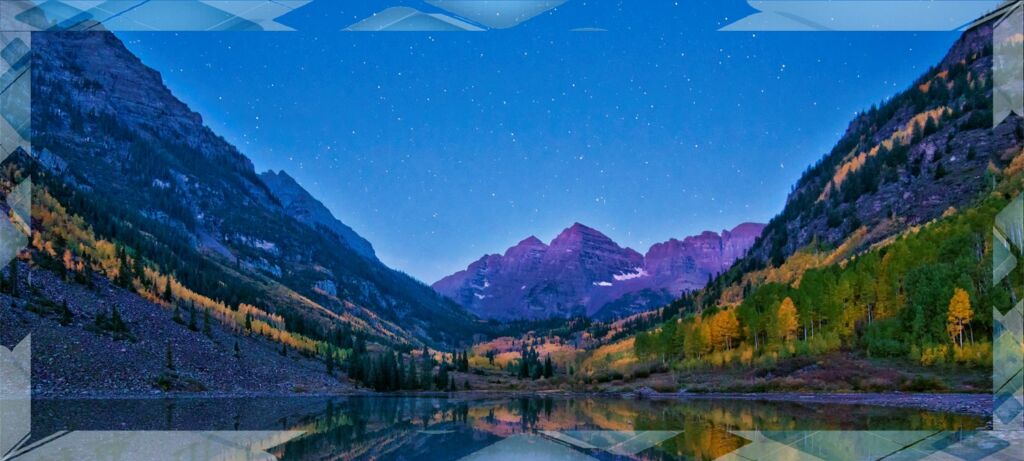
Towering above Colorado's landscape, the Rocky Mountains offer breathtaking peaks, alpine lakes, and endless opportunities for adventure. From scenic drives and wildlife viewing to world-class hiking and skiing, these majestic mountains showcase the very best of the American West.
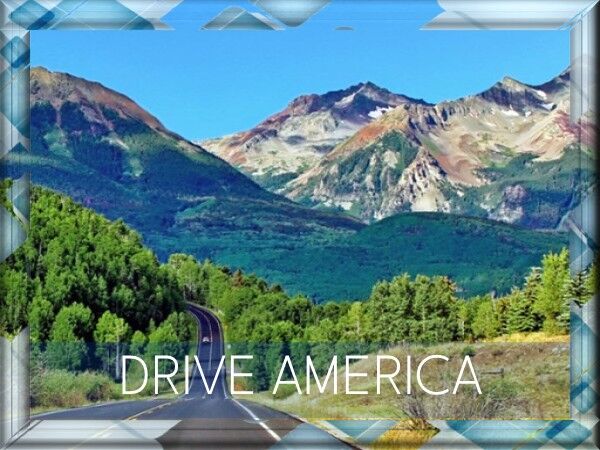
Coming Soon!
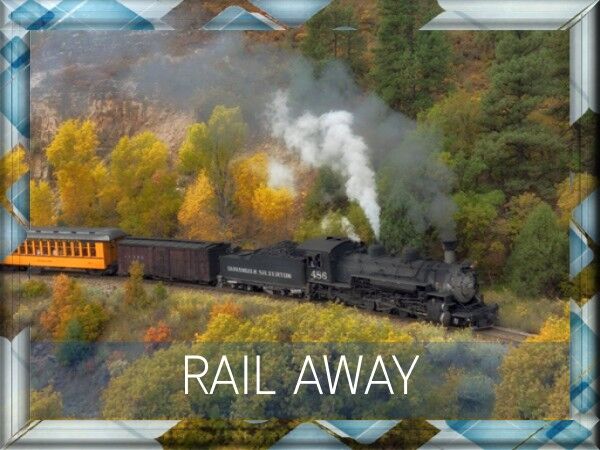
Coming Soon!

Coming Soon!
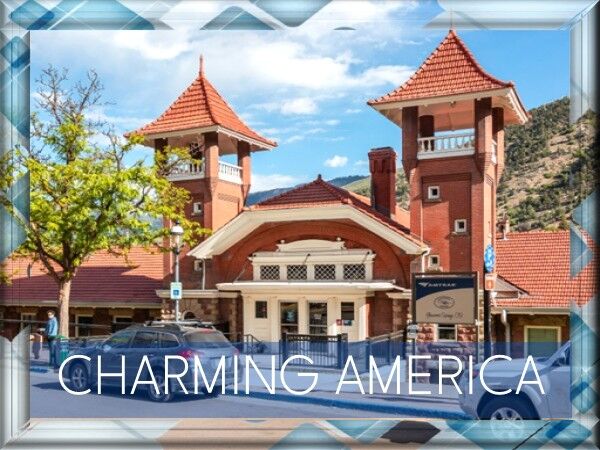
Coming Soon!
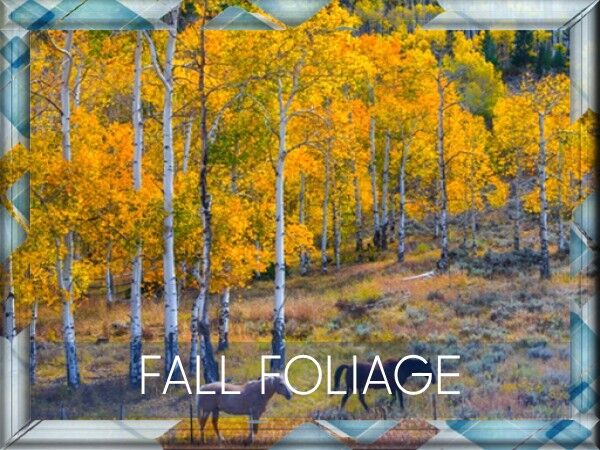
Coming Soon!
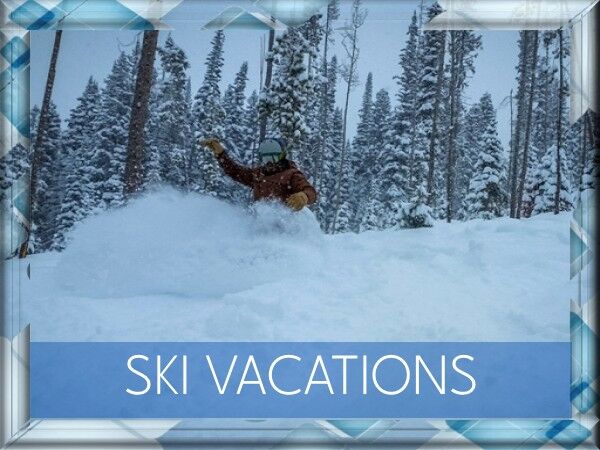
Coming Soon!
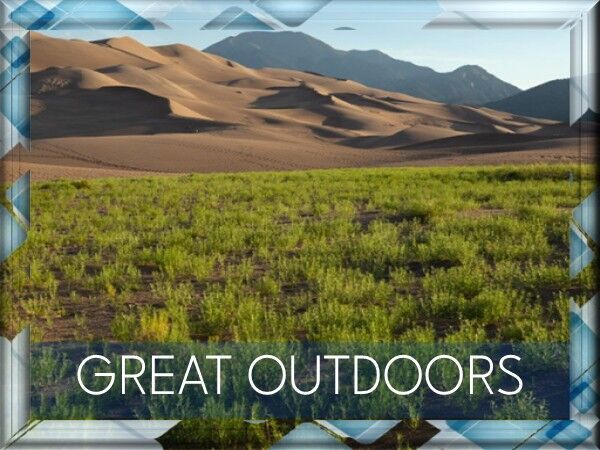
Coming Soon!
Located on the eastern edge of the American West, Colorado looks down on much of the country from a great height. Its landscape ranges from snow-capped mountains to arid deserts, yet nowhere in the state does the elevation fall below 3,280 feet above sea level. These dramatic landscapes have provided the backdrop for many movies, including True Grit, Butch Cassidy and the Sundance Kid, and Vanishing Point. Beneath the surface lie rich deposits of gold and silver, dinosaur fossils, thermal springs, and the headwaters of five major rivers: the Colorado, Arkansas, Rio Grande, and the North and South Platte.
Colorado was the 38th state admitted to the Union, arriving relatively late in 1876, but it has often led the way in other areas. Although the Wyoming Territory was first to grant women the right to vote, Colorado was the first state to do so. It also voted to repeal Prohibition a year before the federal government did, and was among the first states to legalize cannabis. The capital city is also home to the renowned Denver Zoo, the first zoo in the United States to house animals in naturalistic enclosures rather than cages. Today, it remains one of the world’s leading zoological parks.
Gold!
Colorado joined the United States just 28 days after the centennial anniversary of the Declaration of Independence, earning it the nickname “The Centennial State.” Yet the region had only been organized as a territory 15 years earlier. With the nation on the brink of civil war, President James Buchanan sought to strengthen Union control over the area.
At the time, the territory was assembled from portions of Kansas, Nebraska, Utah, and New Mexico Territories, along with lands previously occupied by Native American tribes. Interest in the region exploded after the discovery of gold in 1859. The resulting gold rush attracted nearly 100,000 fortune-seekers known as the “Fifty-Niners,” distinguishing them from the famous “Forty-Niners” of California’s gold rush a decade earlier.
Before the gold rush, the region was largely the domain of Native American peoples who had lived, hunted, and traveled across the land for thousands of years. Evidence of their presence can still be seen at places such as Mesa Verde National Park, where remarkable cliff dwellings were carved into the rock. Nearby, the towering red sandstone formations of Garden of the Gods bear witness to an even older human history.
River Deep, Mountain High
Traveling westward across Colorado from the border with Kansas, visitors first encounter the Great Plains. This region endured tremendous hardship during the Dust Bowl of the 1930s, when severe drought devastated farms and communities across the area. Despite those challenges, agriculture remains the backbone of the local economy, with both crop cultivation and livestock ranching playing major roles.
Beyond the plains rise the majestic Rocky Mountains, whose highest peaks are found in Colorado. The tallest of them all is Mount Elbert, which reaches 14,440 feet above sea level. It is one of Colorado’s 53 “Fourteeners”—mountains that soar above the coveted 14,000-foot mark.
The eastern slopes of the Rockies, known as the Front Range, are home to most of Colorado’s population, including residents of the capital city, Denver. The mountains also contain some of North America’s finest ski resorts, the most famous of which is Aspen. Once a silver-mining town, Aspen is often recognized as one of the most exclusive and expensive communities in the United States, attracting visitors from around the world to its slopes and scenic alpine setting.
An interesting feature of this region, though not a visible one, is that is spans the Great Continental Divide, the high point running north-south through the continent, from which all rivers drain either east to the Atlantic Ocean or west to the Pacific. And to the west of the Rockies lies the Colorado Plateau. Nicknamed “Red Rock Country” because of the brightly colored rock left bare by dryness and erosion, this is an arid land of plunging canyons and huge, flat-topped hills called mesas.
Modern Colorado
Agriculture and mining are still among Colorado’s major industries, but gold and silver have given way to natural gas and other minerals. The state is also home to two important federal institutions, the North American Aerospace Defense Command (NORAD) and the United Staes Air Force Academy.
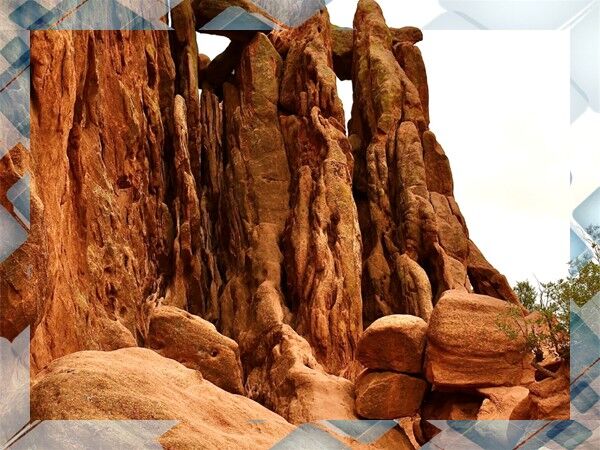
Garden of the Gods
The Garden of the Gods near Colorado Springs, stands where the grasslands of the Great Plains meet the mountains. It is a true geological wonder.
Not for the Fainthearted
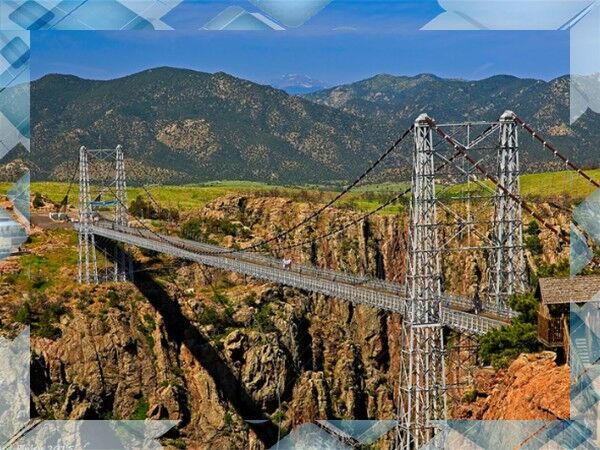
Royal Gorge, near Cnon City, is one of Colorado’s many dramatic geological features. It has been carved out over thousands of years by the Arkansas River as it gains momentum on its way down from the Rocky Mountains. At its deepest point, the gorge is 1,250 feet deep. It takes a brave person to peer over the edge, but the real challenge is the walk across Royal Gorge Bridge which spans the gorge 956 feet above the river.
Statehood
August 1, 1876
Fun Facts
- Denver’s official elevation is exactly 1 mile (5,280 feet) above sea level, and the 13th step of the Colorado State Capitol building marks this exact height.
- The Deer Trail Rodeo hosted the world’s first documented rodeo on July 4, 1869.
- Colorado is the only state in history to decline the opportunity to host the Olympic Games. Voters turned down the 1976 Winter Olympics over cost and environmental concerns.
- The bark of the Ponderosa Pine emits a distinct scent that many people describe as smelling like vanilla or butterscotch.
- The state features some of the most impressive geothermal waters in the world, including Pagosa Springs (the world’s deepest) and the Glenwood Hot Springs (the world’s largest natural hot springs pool).