Discover. Explore. Enjoy new Horizons!
KENTUCKY
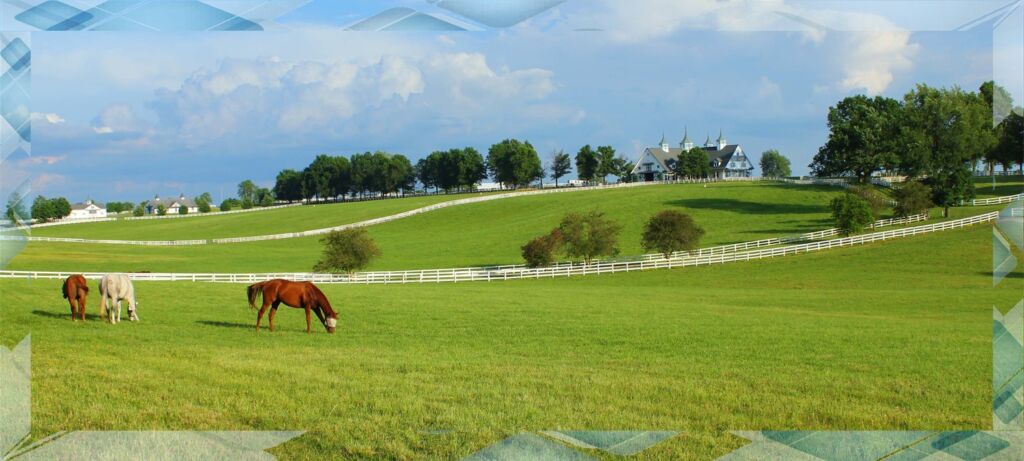
A thoroughbred grazes outside of Lexington, Kentucky. Lexington is famous for its horses.
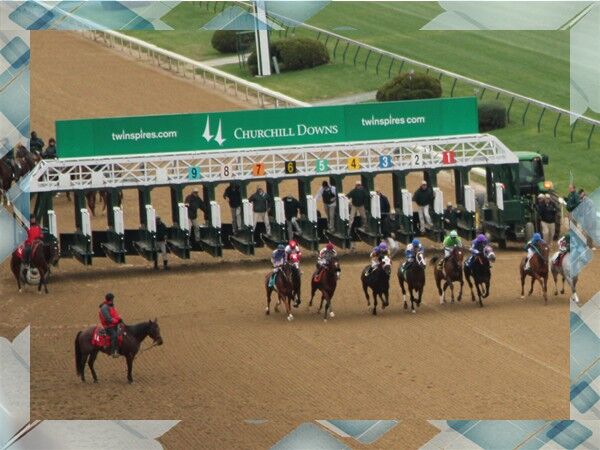
The Kentucky Derby
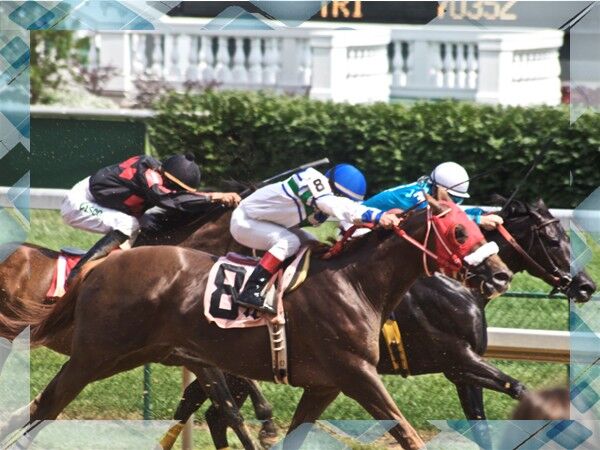
Kentucky’s lush bluegrass pastures have made it one of the world’s premier centers for horse breeding, and horse racing is woven deeply into the state’s culture. The most famous event is the Kentucky Derby, held annually on the first Saturday in May at Churchill Downs in Louisville. First run in 1875, the Derby is often called “The Most Exciting Two Minutes in Sports.” Covering a distance of one and one-quarter miles, the race features three-year-old thoroughbreds and regularly attracts crowds of more than 150,000 spectators from around the world.
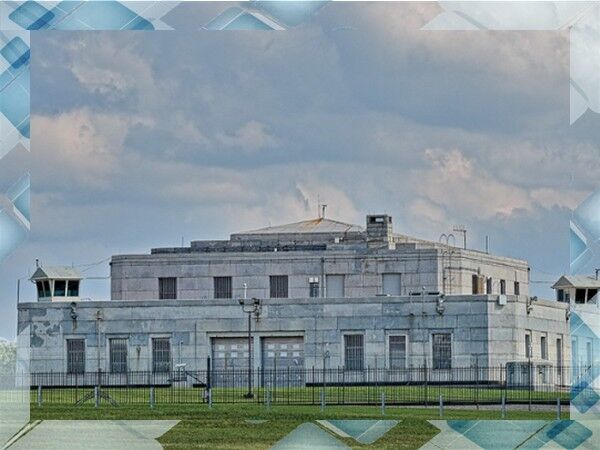
Fort Knox
The 100,000-acre military installation at Fort Knox is best known as the home of the United States Bullion Depository. The facility houses a significant portion of the nation’s gold reserves, stored in a heavily fortified vault protected by massive granite walls and a 22-ton blast-resistant door. Over the decades, Fort Knox has become synonymous with security and remains one of the most recognizable military sites in the United States.
Kentucky is an irregularly shaped state that was originally formed from the western counties of Virginia beyond the Appalachian Mountains. Its northern border is defined largely by the Ohio River and its tributaries, the Big Sandy and Tug Fork rivers, while a short stretch of the Mississippi River marks part of its western edge. Today, Kentucky is famous for its bourbon whiskey, thoroughbred horse racing, bluegrass music, and a certain world-famous brand of fried chicken.
The state’s landscape is remarkably diverse. In the southeast lies the rugged Cumberland Plateau, a heavily forested region characterized by steep escarpments, sandstone arches, and scenic waterfalls. Westward, the terrain gives way to the fertile Bluegrass Region, renowned for its rolling pastures and horse farms. Beyond that lies the Pennyrile, or Mississippi Plateau, home to the world’s longest known cave system at Mammoth Cave National Park. In the northwest are the Western Coal Fields, while the far western corner encompasses the Jackson Purchase, land acquired from the Chickasaw Nation in 1818 during the presidency of Andrew Jackson. Separated from the rest of the state by the Mississippi River is the tiny exclave known as Kentucky Bend, a curious geographic anomaly bordered by Missouri and Tennessee.
Rich Hunting Grounds
Kentucky possesses more navigable waterways than any state except Alaska. Its rivers, reservoirs, and more than 90,000 miles of streams support fertile farmland and outdoor recreation, while massive reservoirs such as Lake Cumberland and Kentucky Lake rank among the largest man-made lakes in the United States. The Bluegrass Region became a center of tobacco farming in the nineteenth century and remains ideal grazing land for horses and cattle. Agriculture continues to play a vital role in Kentucky’s economy, alongside coal mining, manufacturing, and a thriving automobile industry. Ford, Chevrolet, Lincoln, Cadillac, and Toyota all maintain assembly operations within the state.
The state’s abundant natural resources also support a rich variety of wildlife. Elk and wild turkeys, once hunted to extinction in Kentucky, were successfully reintroduced during the twentieth century and now flourish once again. Long before European settlement, numerous Native American tribes relied on Kentucky’s forests and waterways as productive hunting grounds. The arrival of colonial settlers in the mid-eighteenth century led to prolonged conflicts with tribes such as the Shawnee and Cherokee.
Kentucky’s culture reflects the diverse backgrounds of its settlers, including large numbers of English, Scottish, Irish, and German immigrants. Their traditions helped shape the state’s unique identity. Celtic folk music evolved into bluegrass and influenced many forms of country music, while distilleries such as Jim Beam helped establish Kentucky’s worldwide reputation as the birthplace of bourbon whiskey.
Divided Loyalties
Kentucky occupied a unique position during the American Civil War. Both opposing presidents—Confederate President Jefferson Davis and U.S. President Abraham Lincoln—were born in the state. Kentucky’s loyalties were deeply divided, and it initially attempted to remain neutral. Despite this stance, the state witnessed numerous skirmishes, raids, and guerrilla actions throughout the conflict. Even today, reminders of those divided loyalties can still be found in parts of Kentucky.
Political turmoil resurfaced in 1900 when Governor-elect William Goebel was shot while walking to the State Capitol in Frankfort following a fiercely disputed election. He was sworn into office the day after the attack but died four days later. Goebel remains the only governor in American history to be assassinated while serving in office.
STATEHOOD
June 1, 1792
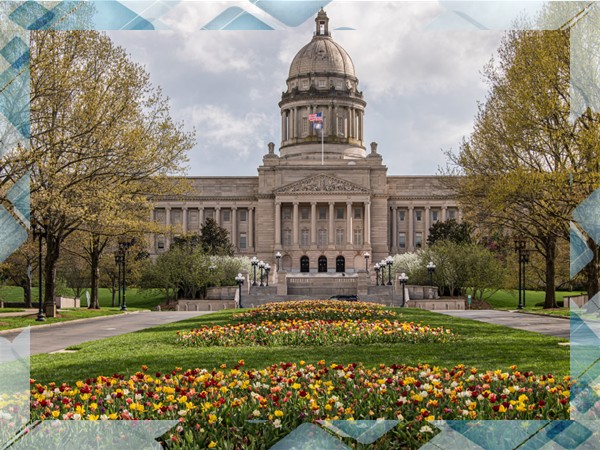
CAPITAL CITY
Frankfort
STATE PARKS
Kentucky has 41 state parks.
NATIONAL PARKS
Kentucky is home to one national park.
- Mammoth Cave National Park
FUN FACTS
Kentucky produces roughly 95% of the world’s bourbon, and there are currently over 8.5 million aging barrels—meaning there are nearly two barrels of bourbon for every resident.
Middlesboro, KY, is the only city in the United States built directly inside a meteor crater.
The 400-mile-long Mammoth Cave system beneath the state’s hills is the longest known cave in the world.
The song “Happy Birthday to You” was written in Louisville by two sisters, Patty Hill and Mildred J. Hill, in 1893.
The town of Rabbit Hash has no traffic lights, but it gained fame for having a rescue dog named Brynneth Pawltro as its elected mayor.
Mammoth Street in Danville, KY, is only 20 feet long, making it one of the shortest streets in the country.
Kentucky is the only U.S. state that has a continuous border of rivers running along three of its sides (the Mississippi to the west, Ohio to the north, and Big Sandy and Tug Fork to the east).
Packages Coming Soon!
Packages Coming Soon!
Packages Coming Soon!