Discover. Explore. Enjoy new Horizons!
MASSACHUSETTS
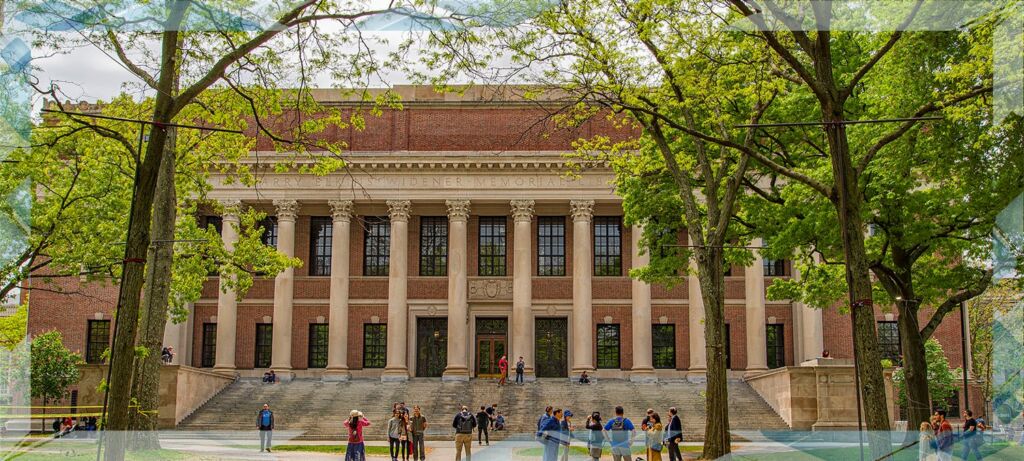
Harvard University: Private Ivy League university Harvard was established in 1636, making it America's oldest institution of higher learning.
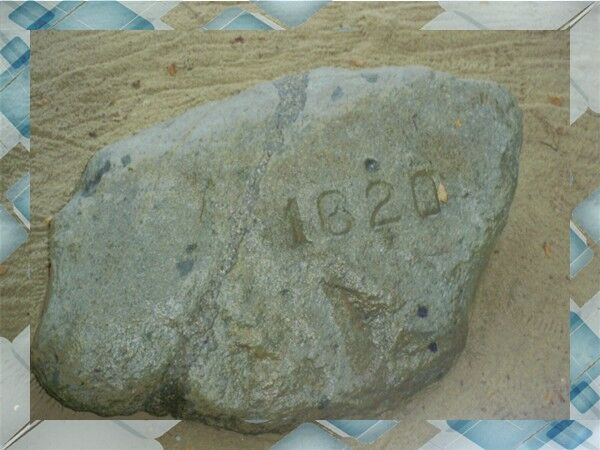
Plymouth Rock
The Pilgrims’ arrival is commemorated by numerous historic attractions throughout Plymouth. Among the most notable are Plimoth Patuxet Museums, a living-history recreation of the seventeenth-century Plymouth Colony, and Plymouth Rock, the traditional site where the Pilgrims are said to have first stepped ashore. Together, these landmarks preserve the story of one of the most significant events in early American history.

Caption
Lorem ipsum dolor sit amet, consectetur adipiscing elit. Ut elit tellus, luctus nec ullamcorper mattis, pulvinar dapibus leo.
Caption
Lorem ipsum dolor sit amet, consectetur adipiscing elit. Ut elit tellus, luctus nec ullamcorper mattis, pulvinar dapibus leo.
Massachusetts is renowned for its prestigious educational institutions, including Harvard University and the Massachusetts Institute of Technology, as well as its rich cultural heritage, popular vacation destinations, celebrated sports teams, and distinguished political leaders. Yet the state’s modern identity is rooted in its greatest historical claim to fame: being the landing place of the Pilgrims aboard the Mayflower.
That early English settlement, established just thirteen years after Jamestown in Virginia, helped shape the future of what would become the United States of America.
The Pilgrims first set foot in Massachusetts in 1620, naming their settlement Plymouth after the English port from which they had sailed. They forged an alliance with the Wampanoag people and began building a colony that would endure despite tremendous hardships. Over the following decades, more Puritans arrived from England, and by the end of the seventeenth century the various settlements had been united under the Province of Massachusetts Bay, which encompassed not only present-day Massachusetts but also much of what is now Maine.
Cradle of the Revolution
Between 1692 and 1693, Massachusetts was shaken by the Salem witch trials, during which twenty people, most of them women, were executed after being accused of witchcraft. Once this period of hysteria passed, the colony’s attention turned increasingly toward resisting British rule.
New taxes imposed by Parliament, in which the colonists had no representation, provoked growing anger and inspired the rallying cry, “No taxation without representation.” Tensions reached a boiling point in 1770 when British soldiers fired into a hostile crowd in Boston, killing five colonists in what became known as the Boston Massacre. The incident helped fuel revolutionary sentiment throughout the colonies.
The decisive turning point came in 1773 when protestors boarded ships in Boston Harbor and dumped a shipment of tea belonging to the British East India Company into the water. The Boston Tea Party prompted Britain to impose harsh punitive measures, known as the Intolerable Acts. In response, the colonies united through the Continental Congress, and by 1775 open war had erupted between Great Britain and the American colonies.
The first battles of the American Revolution were fought in the Massachusetts towns of Lexington and Concord. Shortly afterward, George Washington was appointed commander of the Continental Army and achieved one of his earliest successes by forcing British troops to evacuate Boston.
Massachusetts became the sixth state to ratify the U.S. Constitution on February 6, 1788. The state would go on to produce several American presidents, including John Adams, the nation’s second president; his son, John Quincy Adams, the sixth president; John F. Kennedy, the thirty-fifth president; and George H. W. Bush, who was born in Massachusetts and later became the forty-first president. Calvin Coolidge, the thirtieth president, also built much of his political career in the state.
Maritime Heritage
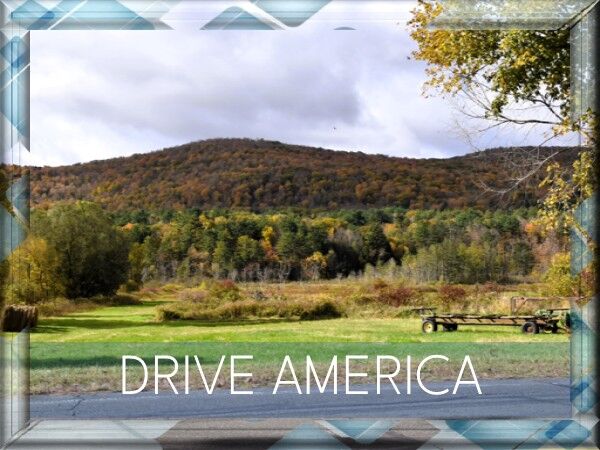
Today, most Massachusetts residents live in and around Boston or the state’s second-largest metropolitan area, Springfield. Beyond these urban centers lies a landscape of forests, rivers, lakes, and rolling hills. The Connecticut River flows from north to south through the state, while the vast Quabbin Reservoir, constructed during the 1930s, supplies water to Boston and many surrounding communities.
These natural habitats support a wide variety of wildlife. Fish and migratory birds thrive in the state’s waterways, while moose and black bears inhabit the Berkshire Mountains of western Massachusetts. Along the Atlantic coast, seals, whales, and dolphins are common sights, and commercial fisheries continue to harvest cod, haddock, and lobster from New England waters.
Extending into the Atlantic in a distinctive hook shape, Cape Cod is one of the state’s most popular vacation destinations. Offshore lie the islands of Martha’s Vineyard and Nantucket, both renowned for their beaches, sailing, and maritime heritage. During the eighteenth and nineteenth centuries, Nantucket was the world’s leading whaling port and served as the inspiration for Herman Melville’s classic novel Moby-Dick. Today, the region remains one of America’s premier sailing and seaside recreation destinations.
STATEHOOD
February 6, 1788
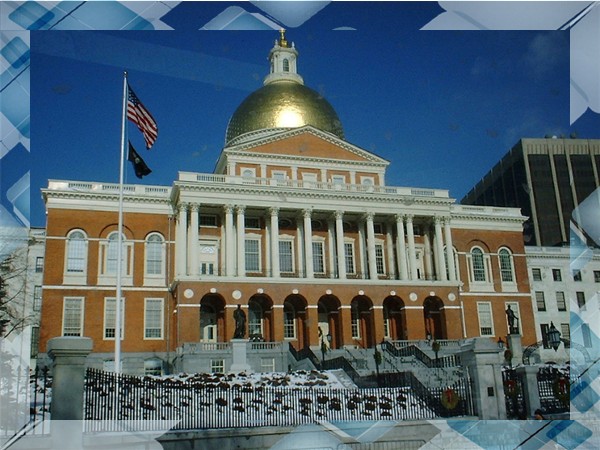
CAPITAL CITY
Boston
STATE PARKS
Massachusetts has 150 state parks.
NATIONAL PARKS
While Massachusetts does not have any official national parks, it is home to sixteen units managed by the National Park Service.
FUN FACTS
Invented in the 1930s by Ruth Graves Wakefield at the Toll House Inn in Whitman, Massachusetts.
The first-ever Dunkin’ Donuts was opened in Quincy, Massachusetts in 1950.
The Tremont Street subway in Boston, which opened in 1897, was the first underground rapid transit system in North America.
Boston Common (1634) is the oldest public park in the United States, and the Boston Public Library (1848) was the first publicly supported free municipal library in the country.
Massachusetts actually has an official state polka song titled “Say Hello To Someone From Massachusetts”.
The name “Massachusetts” comes from the Algonquian language, translating roughly to “great hill place” or “at the great blue hill”.
Invented in 1895 in nearby Holyoke by William G. Morgan, who originally called the game “Mintonette”.
Fenway Park, home to the Boston Red Sox, is the oldest operating Major League Baseball stadium, having opened in 1912.

Packages Coming Soon!
Packages Coming Soon!
Packages Coming Soon!

Packages Coming Soon!

Packages Coming Soon!

Packages Coming Soon!