Discover. Explore. Enjoy new Horizons!
NEBRASKA
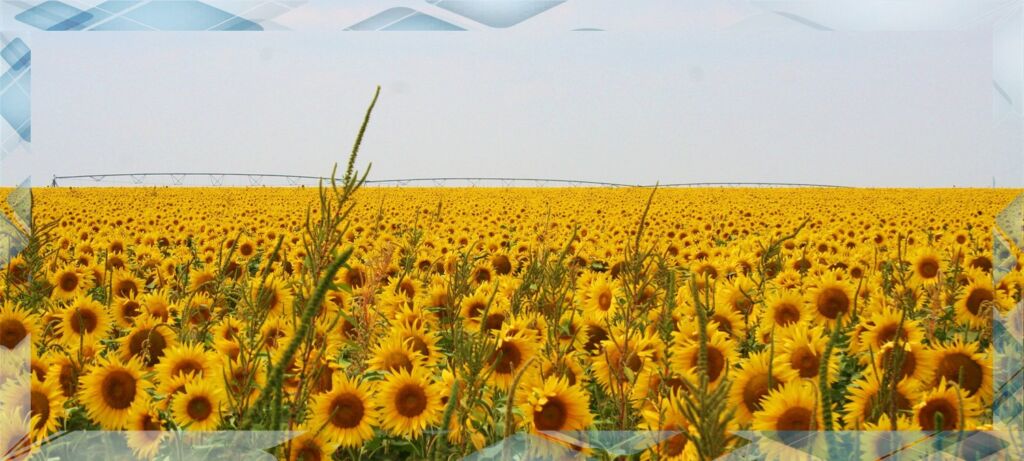
Nebraska's endless fields of sunflowers burst into brilliant shades of gold each summer, creating one of the state's most beautiful seasonal displays. Stretching toward the prairie sky, these cheerful blooms attract photographers, pollinators, and travelers from across the country. Whether growing wild along country roads or cultivated in vast fields, Nebraska's sunflowers are a vibrant symbol of the state's agricultural heritage and natural beauty.
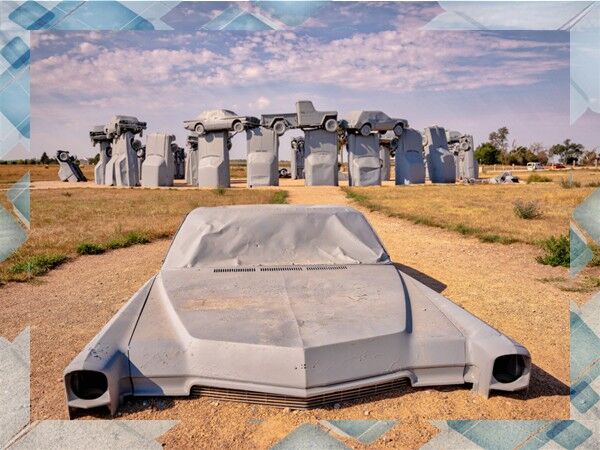
Carhenge
This replica of Stonehenge, the ancient stone circle in England, dates back to 1987. Artis Jim Reinders created it from 39 old cars on a grassy plain near Alliance, Nebraska.
If you want to find the beating heart of Middle America, look no further than Nebraska. The city of Kearney sits almost exactly halfway between Boston on the Atlantic Coast and San Francisco on the Pacific, making it a symbolic center of the nation. Nearby, the town of Cozad lies on the 100th meridian, the geographic line often considered the divide between the humid eastern United States and the drier Great Plains of the West.
Landlocked and nearly a thousand miles from the nearest ocean, Nebraska is, somewhat ironically, a state defined by water. Its name comes from an Otoe word meaning “flat water,” a fitting description of the Platte River, which spreads across a broad, shallow channel as it flows through the heart of the state before joining the Missouri River on Nebraska’s eastern border. Nebraska boasts more miles of river than any other state, and beneath its surface lies one of North America’s most important natural resources: the vast Ogallala Aquifer, which supplies water to much of the Great Plains and underlies most of Nebraska.
Nebraska is also famously flat. Anyone traveling along Interstate 80, which crosses the state from east to west, quickly gains an appreciation for the seemingly endless horizons. It is little wonder that Nebraska became the first state to complete its portion of the Interstate Highway System. Even Panorama Point, the state’s highest elevation at 5,429 feet, appears modest against the expansive landscape. Located in the far southwestern corner near the borders of Wyoming and Colorado, it offers sweeping views that emphasize the scale of the Great Plains rather than their height.
Cornhuskers
Despite its reputation for open prairie, Nebraska is far from treeless. In the nineteenth century, newspaper editor, governor, and later U.S. Secretary of Agriculture Julius Sterling Morton championed a campaign to plant trees across the state. On April 10, 1872, Nebraskans planted an estimated one million trees during the first Arbor Day celebration, creating a tradition that spread nationwide and earned Nebraska its former nickname, “The Tree Planter State.”
If Nebraska seems quiet at first glance, attend a football game in Memorial Stadium in Lincoln and you’ll quickly discover another side of the state’s personality. The University of Nebraska Cornhuskers are among the most storied programs in college football history, and generations of passionate fans have packed the stadium to cheer on their team. On game days, the sea of red-clad supporters transforms Lincoln into one of the most energetic sports destinations in America.
Nebraska has also produced an impressive list of notable figures. Among them are actors Marlon Brando, Henry Fonda, Montgomery Clift, and Hilary Swank; civil rights leader Malcolm X; investor Warren Buffett, often called the “Oracle of Omaha”; legendary dancer Fred Astaire; and President Gerald Ford, the nation’s thirty-eighth president.
Food for Thought
Agriculture was the magnet that first drew large numbers of settlers to Nebraska. During the nineteenth century, wagon trains heading west toward California and Oregon crossed the state’s vast grasslands, leaving trails that can still be traced today. One of the most famous landmarks along these routes is Chimney Rock, a dramatic 315-foot natural spire that rises above the plains and remains an enduring symbol of the American frontier.
The early homesteaders raised cattle and cultivated crops, laying the foundation for an agricultural industry that continues to define Nebraska today. Cattle still outnumber people by a substantial margin, and Nebraska beef is renowned throughout the country. A perfectly grilled Omaha steak served alongside fresh corn on the cob remains one of the state’s signature meals.
Corn is so central to Nebraska’s identity that the state proudly carries the nickname “The Cornhusker State.” Yet Nebraskans are equally proud of several culinary creations that originated within their borders. Visitors can sample a Runza, a beloved baked sandwich filled with beef, cabbage, and onions, at restaurants found across the state. Nebraska also lays claim to the invention of Kool-Aid, created in Hastings, and is often credited as the birthplace of the Reuben sandwich, a delicatessen favorite that has become popular nationwide.
Today, Nebraska combines small-town hospitality, rich agricultural traditions, fascinating frontier history, and wide-open landscapes. Beneath its seemingly simple exterior lies a state that has played an important role in shaping the American heartland and continues to embody the spirit of the Great Plains.
Add Your Heading Text Here
Lorem ipsum dolor sit amet, consectetur adipiscing elit. Ut elit tellus, luctus nec ullamcorper mattis, pulvinar dapibus leo.
Add Your Heading Text Here
Lorem ipsum dolor sit amet, consectetur adipiscing elit. Ut elit tellus, luctus nec ullamcorper mattis, pulvinar dapibus leo.
STATEHOOD
March 1, 1867
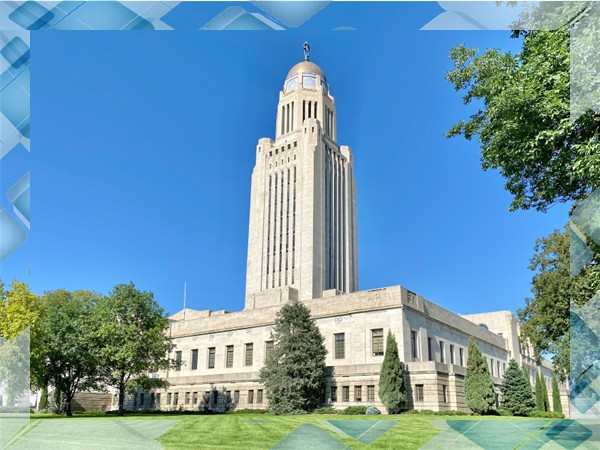
CAPITAL CITY
Lincoln
STATE PARKS
Nebraska has 63 state parks.
NATIONAL PARKS
Nebraska does not have any of the official designated national parks but is home to sixty-three sites operated by the National Park Service.
FUN FACTS
Kool-Aid is the State Drink: The powdered drink mix was invented in 1927 by Edwin Perkins in Hastings, Nebraska.
The Lied Jungle: Omaha’s Henry Doorly Zoo features the largest indoor rainforest in North America.
Nebraska is the only state in the U.S. that has a unicameral (one-house) state legislature, and it is officially non-partisan.
Nebraska’s beef industry is massive, with cattle outnumbering the human population roughly four to one.
The University of Nebraska State Museum in Lincoln houses “Archie,” the world’s largest mounted Columbian mammoth fossil.
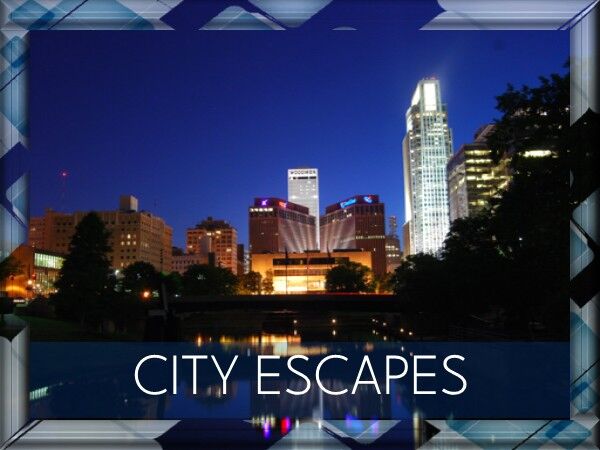
Packages Coming Soon!
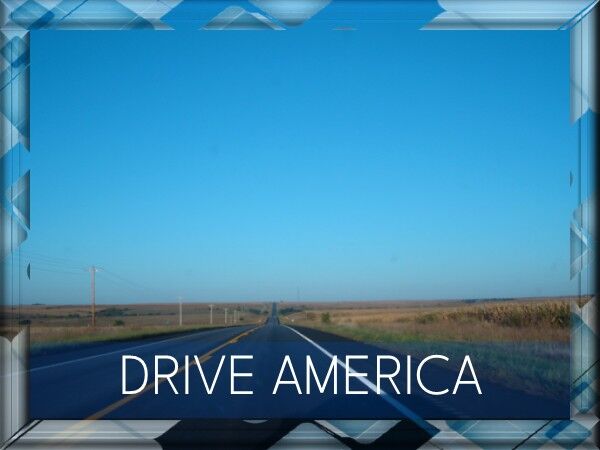
Packages Coming Soon!
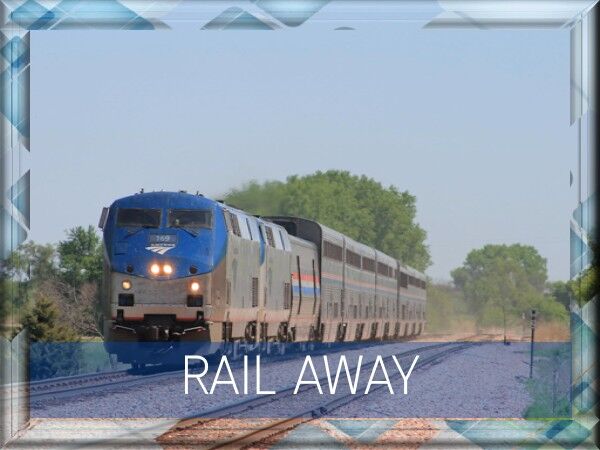
Packages Coming Soon!