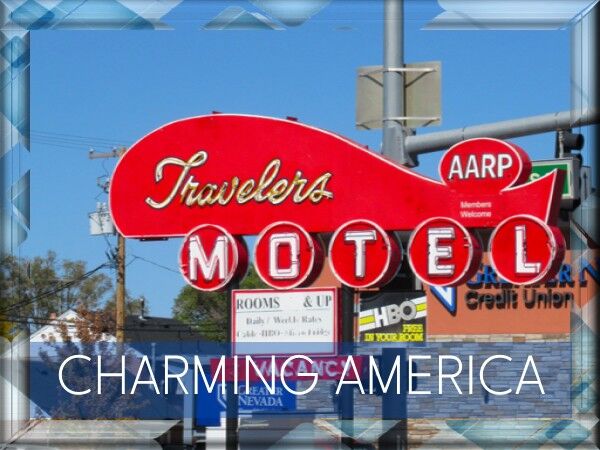
Discover. Explore. Enjoy new Horizons!
NEVADA
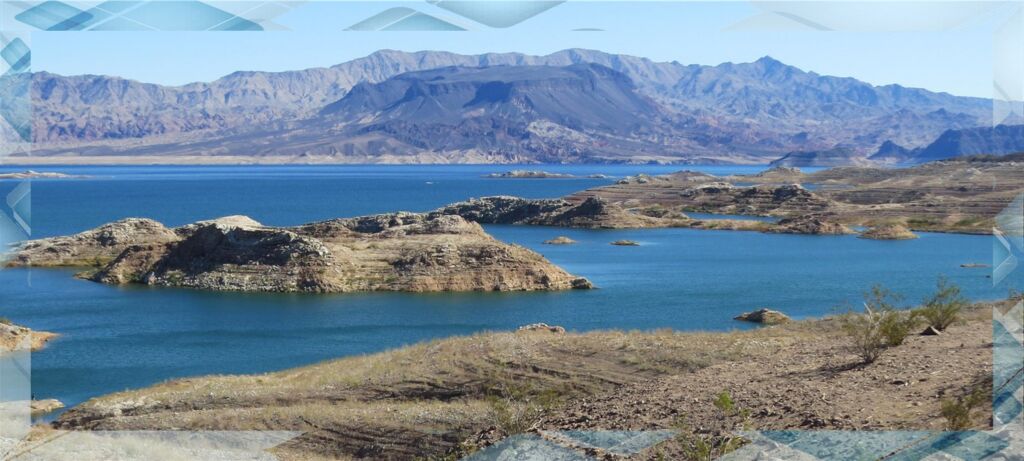
Lake Mead is the largest reservoir in the United States by water capacity, stretching across the Nevada-Arizona border and offering stunning desert scenery. Formed by the construction of Hoover Dam on the Colorado River, it is a popular destination for boating, fishing, kayaking, and swimming. Visitors can also enjoy hiking, wildlife viewing, and breathtaking views of the surrounding rugged landscape.
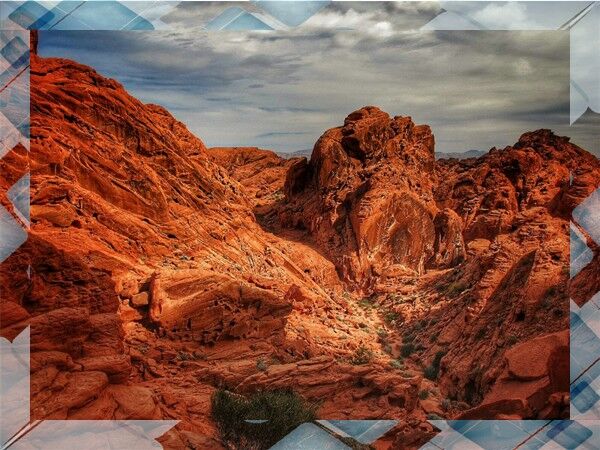
Valley of Fire
Valley of Fire State Park is Nevada’s oldest and largest state park, famous for its brilliant red sandstone formations that seem to glow like fire under the desert sun. Formed more than 150 million years ago from shifting sand dunes, the park’s colorful landscape is filled with arches, canyons, and towering rock formations that create one of the Southwest’s most striking natural settings.
Beyond its dramatic scenery, the park is home to ancient Ancestral Puebloan petroglyphs, offering a glimpse into the lives of people who lived here thousands of years ago. Popular activities include scenic drives, hiking trails, photography, camping, and wildlife viewing, making Valley of Fire a favorite destination for outdoor enthusiasts and road trippers alike.
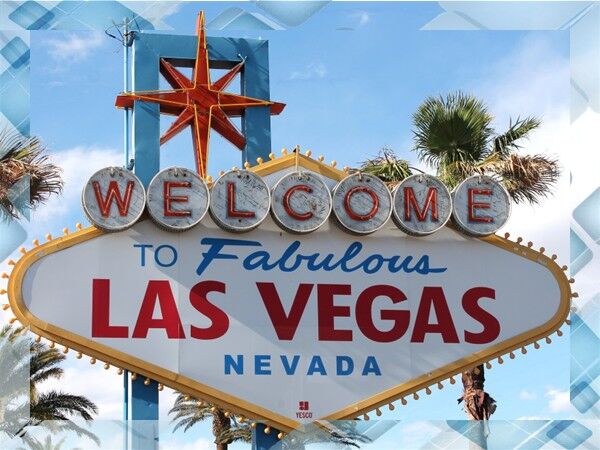
Viva Las Vegas!
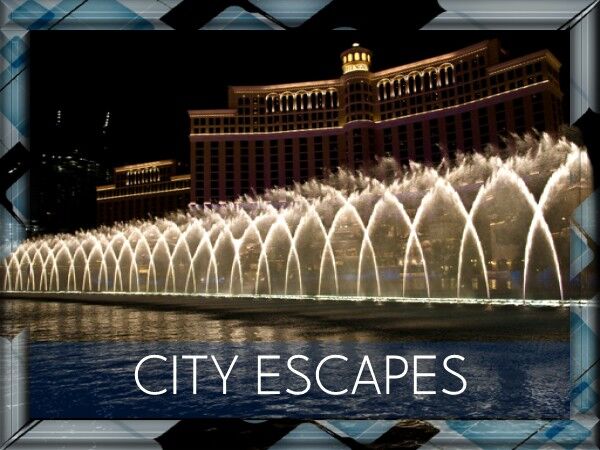
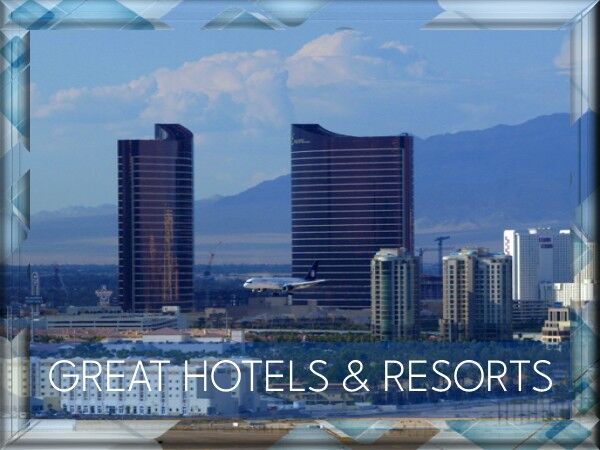
Las Vegas boasts more hotel rooms than almost any city on Earth and has earned worldwide fame as a destination for entertainment, gaming, and nightlife. Yet its origins were surprisingly humble. The city’s story began in the 1850s with a small Mormon settlement established near natural desert springs.
Las Vegas received its greatest boost in 1931, when construction began on Hoover Dam. That same year, Nevada legalized casino gambling and liberalized its divorce laws, attracting workers, tourists, and entrepreneurs from across the country. The combination proved transformative. As workers poured into the region and visitors arrived seeking excitement, Las Vegas rapidly evolved from a remote desert outpost into a world-renowned resort city.
Today, Las Vegas is a symbol of spectacle and reinvention. Its towering resorts, elaborate shows, and dazzling nightlife attract millions of visitors each year. Yet beyond the neon lights lies a state of remarkable natural beauty, rich history, and enduring frontier spirit. From the snowy peaks of the Sierra Nevada to the vast emptiness of the Great Basin, Nevada offers far more than meets the eye.
Nevada is a land of striking contrasts. For the most part, it is a vast and sparsely populated desert of rugged mountains, broad valleys, and endless horizons. Yet amid this dramatic landscape rise the dazzling cities of Las Vegas and Reno, places where bright lights, entertainment, and opportunity seem to defy the surrounding wilderness. It is a state of extremes, where solitude and spectacle exist side by side.
Perhaps surprisingly, nearly 80 percent of Nevada’s residents were born elsewhere. Drawn by opportunity, adventure, or simply the promise of a new beginning, generations of cowboys, miners, entrepreneurs, and dreamers have made Nevada their home. Among the state’s most famous native sons is tennis legend Andre Agassi.
Nevada’s official nickname, “The Battle Born State,” reflects its admission to the Union during the Civil War. In 1864, eager to secure support for President Abraham Lincoln and the Union cause, Congress expedited Nevada’s statehood, and it officially joined the nation on October 31 of that year.
All that Glitters
Long before Las Vegas became synonymous with wealth and entertainment, Nevada’s fortunes were built on precious metals. While neighboring California is known as the Golden State, Nevada today produces more gold than any other state in the nation and ranks among the world’s leading gold-producing regions. Its historic nickname, however, is “The Silver State,” a tribute to the discovery of the Comstock Lode in 1859, the richest silver deposit ever found in the United States.
Nevada’s wealth extends far beyond its mines and casinos. The state contains more named mountain ranges than any other in the country, creating a landscape of remarkable beauty and variety. Much of Nevada lies within the Great Basin, a vast region where rivers and streams flow into inland lakes and playas rather than reaching the ocean. The climate is among the driest in America, and many parts of the state receive only a few inches of precipitation each year.
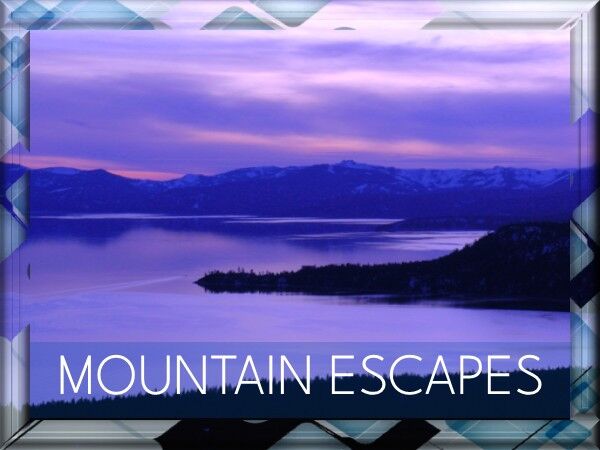
The Sierra Nevada Mountains along the western border are often snow-covered for much of the year. In fact, the word “Nevada” comes from the Spanish term meaning “snow-covered” or “snow-capped.” These mountains support extensive pine forests and alpine environments that contrast sharply with the deserts below. The region surrounding beautiful Lake Tahoe, straddling the California border near Carson City, is particularly popular for skiing, hiking, boating, and other outdoor recreation.
Hot Dam
In the southeastern corner of the state, Nevada shares one of the nation’s greatest engineering achievements with neighboring Arizona. Completed in 1935, Hoover Dam was the largest dam in the world at the time of its construction. Originally known as Boulder Dam, it was officially renamed in honor of President Herbert Hoover in 1947.
The dam continues to attract millions of visitors each year and serves as the gateway to some of the Southwest’s most spectacular attractions. Nearby are the Colorado River, the Grand Canyon, the Mojave Desert with its distinctive Joshua trees, and, of course, Las Vegas. Together, these destinations form one of America’s most popular tourism corridors.
Despite its reputation for development and entertainment, more than 80 percent of Nevada’s land remains under federal ownership. This vast public domain includes national parks, wildlife refuges, military installations, and remote wilderness areas. Among the most famous is Area 51, a highly classified military testing facility that has become the focus of countless conspiracy theories involving unidentified flying objects and extraterrestrial visitors.
STATEHOOD
October 31, 1864
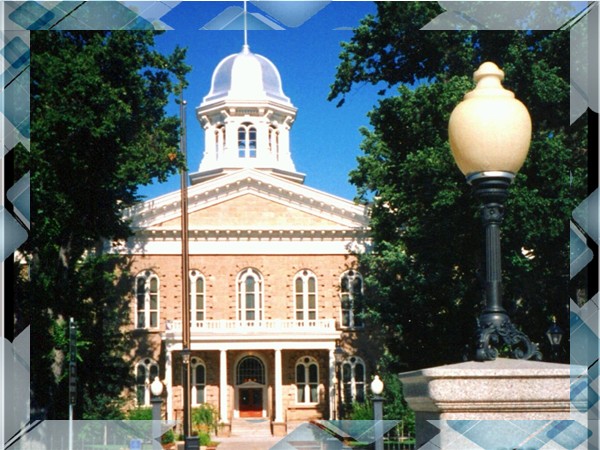
CAPITAL CITY
Carson City
STATE PARKS
Nevada has 27 state parks.
NATIONAL PARKS
Nevada is home to two national parks. Death Valley National Park is shared with California.
- Death Valley National Park
- Great Basin National Park
FUN FACTS
Nevada has 314 named mountain ranges—more than any other state in the contiguous United States.
The world-famous Las Vegas Strip is not actually in the city of Las Vegas. It is located in Paradise, an unincorporated township in Clark County.
Nevada became the 36th state on October 31, 1864. Because statehood was rushed during the Civil War, they telegraphed their entire 16,500-word constitution to Washington D.C..
It’s hard to believe this desert landscape used to be a deep ocean, but Nevada’s state fossil is the ichthyosaur—a prehistoric marine reptile that grew up to 50 feet long.
Nevada is home to the majority of the country’s wild horse population.
Packages Coming Soon!
Packages Coming Soon!

Packages Coming Soon!
Packages Coming Soon!

Packages Coming Soon!