Discover. Explore. Enjoy new Horizons!
NEW YORK

New York's Finger Lakes are a breathtaking region of eleven long, glacier-carved lakes surrounded by rolling hills, vineyards, and charming small towns. The area is famous for its award-winning wineries, scenic waterfalls, and endless opportunities for boating, hiking, and outdoor recreation. Whether you're exploring picturesque villages or enjoying the spectacular lake views, the Finger Lakes offer one of the Empire State's most relaxing and beautiful destinations.
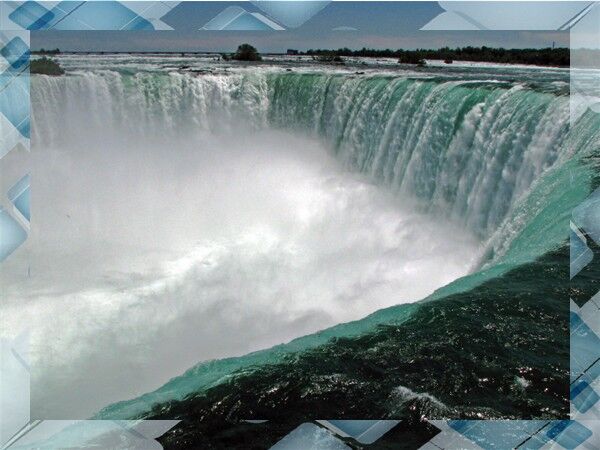
Niagara Falls
The Niagara River flows from Lake Ontario to Lake Erie, forming the border between New York and Canada. As it exits the Niagara Gorge, the river spreads out and cascades 170 feet down over three giant waterfalls called the Horseshoe, Bridal Veil, and American Falls. One of the worlds most famous tourist attractions, Niagara Falls were first seen by European explorers in the 17th century. You can take a boat ride at the bottom, go on foot behind the curtain of water, or even walk a tightrope across. In 1901, 63-year-old Annie Edson Taylor went over the Horseshoe Falls in a barrel sealed with a cork and lived to tell the tale.
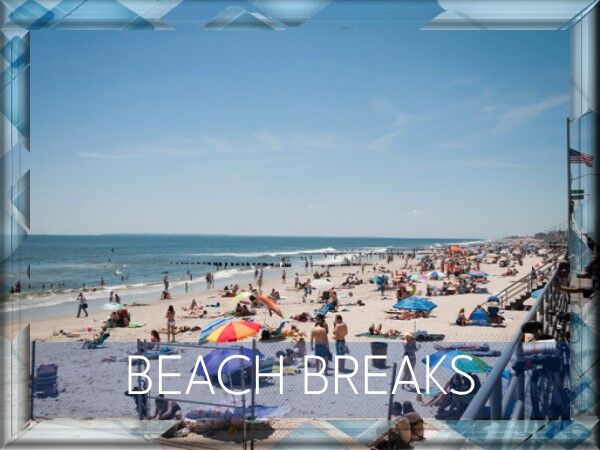
There’s more to New York than New York City. Amid the bustle of Boradway and Times Square, with their billboards, yellow taxis, and delis selling pastrami on rye, it’s hard to imagine the remote beauty of the Adirondack Mountains, the Catskills, the Finger Lakes, the Thousand Islands, the beaches of Long Island or the wonder of Niagara Falls, all of which are famous features of “The Empire State.”
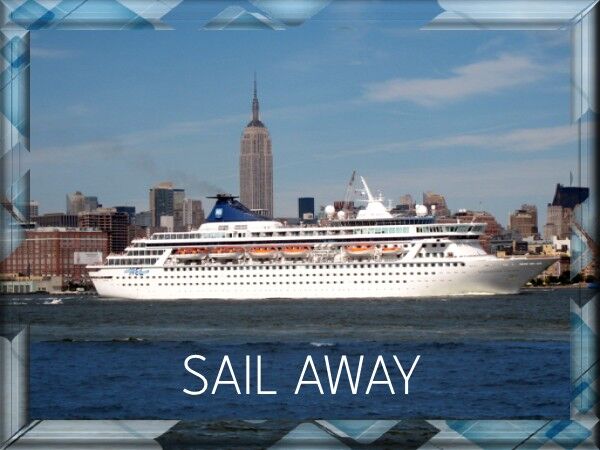
New York City is the most famous, populous metropolis, metropolis on Earth. The Big Apple, a nickname that arose from horse racing slang in the 1920s and became popular in the 1970s, provides the first taste of America for millions of visitors each year, as it did for the Dutch, the first Europeans to settle on Manhattan in the 17th century and called it New Amsterdam.
Political Epicenter
The whole state was known as New Netherland under the Dutch, but when the British took over, they renamed it in honor of the Duke of York, later King James II. The British enjoyed about a hundred years of control before the Colonial Congress was formed and agreed to declare independence. Key battles of the Revolutionary War were won at Fort Ticonderoga and Saratoga, and the last British troops on US Soil were kicked out of New York City in 1783. After the war, New York City became the first capital of the new United States and saw the inauguration of George Washington as president. Four native New Yorkers have followed in his footsteps: Martin van Buren, Millard Fillmore, Theodore Roosevelt, and Franklin D. Roosevelt.
Change of Scenery
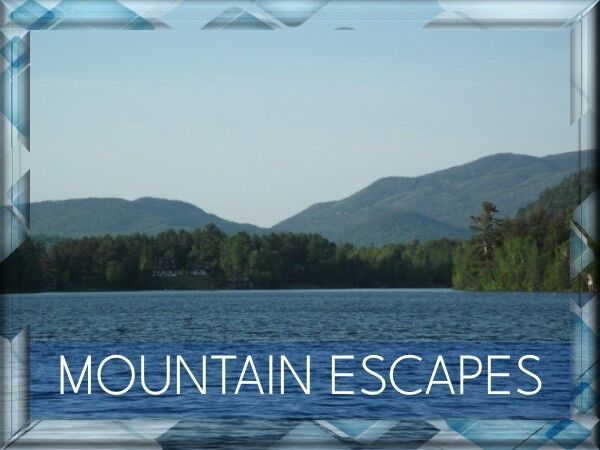
North and west of New York City, the scenery changes dramatically. It becomes a rural, mountainous landscape with first the Catskill Mountains and farther north the Adirondacks, where the state’s highest peak, Mount Marcy, gathers the winter snow at 5,344 feet, and you will find Lake Placid, which has hosted the Winter Olympics twice in the last hundred years. New York gets plenty of snow, especially in the northwest, where the terrain levels off to meet the St Lawrence River, Lake Ontario, Lake Erie, and the border with Canada. Here you’ll find the cities of Buffalo, famous for its chicken wings, and Rochester, south of which lies the states wine region, centered around the 11 long thin bodies of water known as the Finger Lakes.
Not only does it have a rich diversity of geographical features, it is well set up for commerce. When they opened the Erie Canal in 1825, it meant that cargo could travel by boat all the way from New York Harbor to the Great Lakes, and later down the Mississippi River to the Gulf of Mexico. George Washington called it “The Empire State” because he thought it would become the seat of a great power and though the political center moved to Washington DC, he had a point. Many people around the world think New York City is the capital of the USA and if you ask any New Yorker, they’ll tell you that’s the truth.
STATEHOOD
July 26, 1788
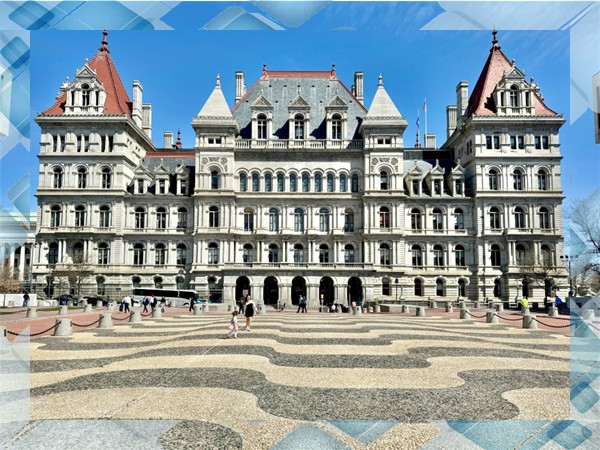
CAPITAL CITY
Albany
STATE PARKS
New York has 180 state parks.
NATIONAL PARKS
Though no official national parks are located in New York, the National Park Service does operate twenty-four sites throughout the state.
FUN FACTS
Over 800 languages are spoken in New York City, making it the most linguistically diverse city in the world.
To prove the structural integrity of the Brooklyn Bridge in 1884, P.T. Barnum led a parade of 21 elephants across it.
For roughly 50 years, the price of a standard slice of NYC cheese pizza has perfectly mirrored the cost of a single subway ride.
Grand Central Terminal features a “Whispering Gallery” in front of the Oyster Bar. Because of its unique, low ceramic arches, two people standing in diagonal corners can whisper to each other and be heard perfectly across the busy, noisy room.
According to notoriously strange NYC ordinances, it is technically illegal to walk around with an ice cream cone in your pocket on a Sunday.
During the brutal winter of 1780, it was so cold that New York Harbor froze completely solid. The ice was reportedly thick enough for people to walk from Manhattan to Staten Island.

Packages Coming Soon!

Packages Coming Soon!

Packages Coming Soon!

Packages Coming Soon!
Packages Coming Soon!

Packages Coming Soon!
Packages Coming Soon!
Packages Coming Soon!