Discover. Explore. Enjoy new Horizons!
NORTH DAKOTA
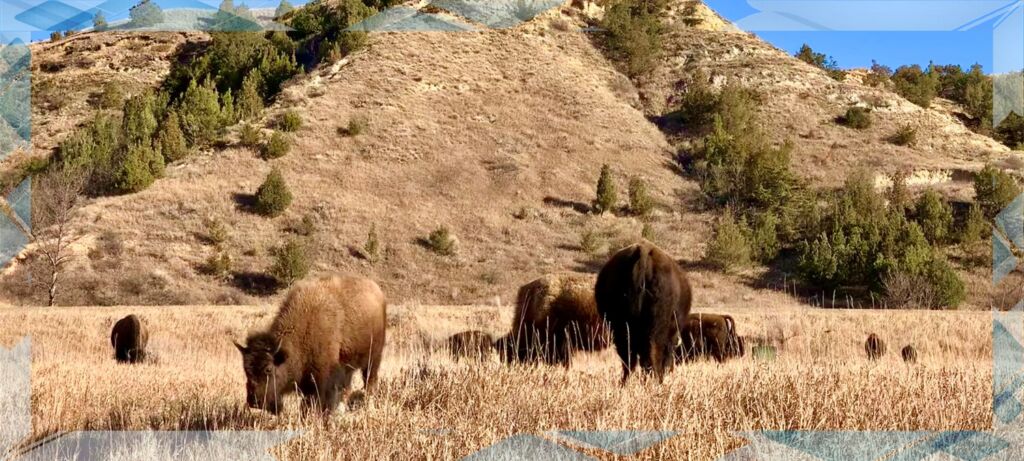
North Dakota welcomes visitors with wide-open prairies, friendly communities, and unforgettable western scenery. Explore the colorful badlands and abundant wildlife of Theodore Roosevelt National Park, or discover the state's rich Native American and pioneer history. Whether you're seeking outdoor adventure or peaceful landscapes, North Dakota offers an authentic taste of the American West.
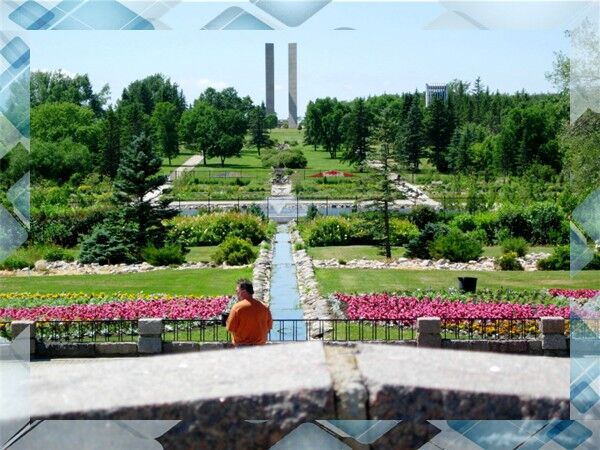
International Peace Garden
The International Peace Garden is a symbol of friendship between the United States and Canada, spanning more than 2,300 acres along the international border. Since opening in 1932, the garden has welcomed visitors with colorful floral displays, peaceful walking paths, sparkling ponds, and beautifully landscaped grounds that celebrate harmony between the two nations.
Visitors can stroll through themed gardens, admire thousands of blooming flowers, and enjoy scenic overlooks and tranquil picnic areas. Monuments, fountains, and the iconic Peace Tower add to the experience, making the International Peace Garden a relaxing destination where nature, history, and international goodwill come together.

Caption
Lorem ipsum dolor sit amet, consectetur adipiscing elit. Ut elit tellus, luctus nec ullamcorper mattis, pulvinar dapibus leo.
Caption
Lorem ipsum dolor sit amet, consectetur adipiscing elit. Ut elit tellus, luctus nec ullamcorper mattis, pulvinar dapibus leo.
Although it attracts fewer tourists than any other state, those that do visit are treated to its magnificent scenic landscapes and its rich Native American history – “Dakota” is the Sioux word for “allies” or “friends.” Nearly 90 percent of the state’s land area is designated as part of Americas Great Plains, comprising thousands of farms and ranches. The state leads the nation in the production of wheat, peas, beans, honey, flaxseed and canola. Needless to say, North Dakotans love their food.
Going west along Interstate 94 towards the border with Montana, the flat grasslands transform into rocky Badlands. On the way you can stop for bison meatballs in Fargo, see a live herd of these magnificent beasts at the National Buffalo Museum in Jamestown, visit the Mandan Indian village in Bismark, take in the scenic views of the Theodore Roosevelt National Park in Medora and finish off with a 144-mile bike ride through a variety of Badlands terrain.
A Natural Attraction
Back in the early 1800s, when Lewis and Clark were on their mission to explore and chart the western US, they spent more time in the territory that is now North Dakota than anywhere else. They found the local Mandan and Hidatsa people to be friendly and decided to spend a winter there, setting up camp on the Knife River near the present-day city of Washburn. They conversed with the tribes through a Native American interpreter, the legendarily beautiful Sakajawea, and perhaps grew to love the place. Theodore Roosevelt certainly did and it may have saved his life. A sickly young man at the age of 25, he moved to North Dakota for three years, fell in love with the outdoors life, toughened himself up, and became president of the United States.
In a recent poll, the square-dancing North Dakotans were found to be happier than the inhabitants of any other state. That could be because they are wholesome, God-fearing bunch with more churches per capita than any other state, or because the farming life is a recipe for happiness. 90 percent of North Dakota is farmland and a quarter of the state’s population work in farming. Or it just might be because the state’s economy is booming thanks to the discovery of huge oil reserves in the north that are bringing in people and cash like never before.
Slaughter and Conservation
North Dakotans love their beef. Back in the days when cattle would be loaded onto a train and taken to somewhere like Kansas City to be dispatched. North Dakota disrupted the market by pioneering refrigeration, which meant it could slaughter its own cattle, chop them up, and send them out in ice ready to cook. As the country’s leading wheat producer, they have all the ingredients they need to make a gigantic hamburger. In 1982 that’s exactly what they did. The burger weighted in at 3,591 pounds and required 8,000 people to eat it. It remains the biggest hamburger in the history of the world.
STATEHOOD
November 2, 1889
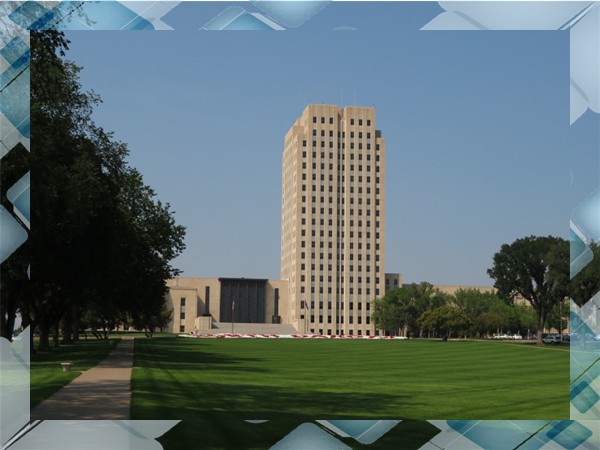
CAPITAL CITY
Bismarck
STATE PARKS
North Dakota has 14 state parks.
NATIONAL PARKS
One national park calls North Dakota home.
- Theodore Roosevelt National Park
FUN FACTS
North Dakota also claims the center point of the North American continent, marked by a monument in the city of Rugby.
North Dakota gets its nickname from the international Peace Garden, a park that was created in 1932, straddling the border with Canada.
Camera film was invented in North Dakota and marketed under the name of Kodak. The name was originally going to be Nodak, an abbreviation of North Dakota.
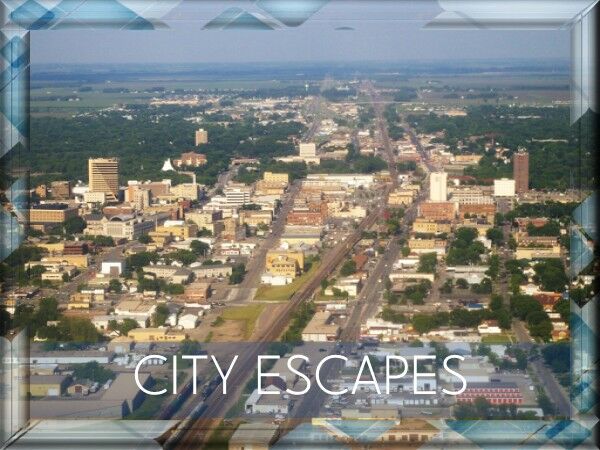
Packages Coming Soon!
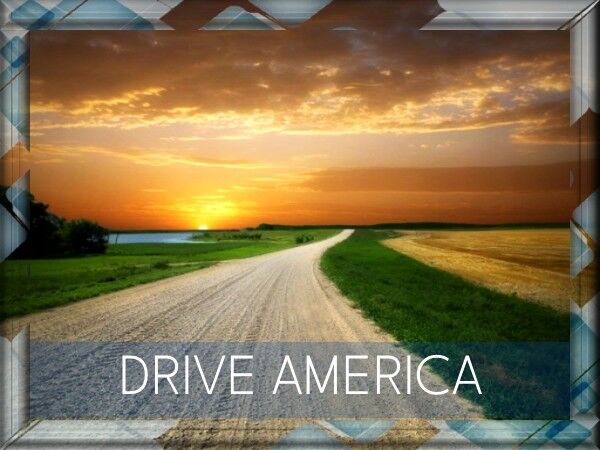
Packages Coming Soon!
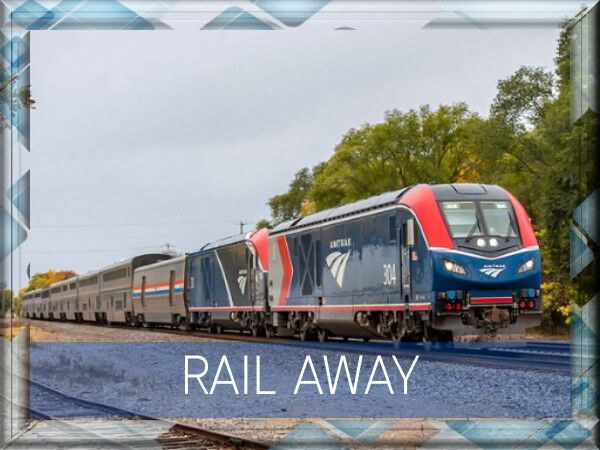
Packages Coming Soon!