Live in the now!
Idaho
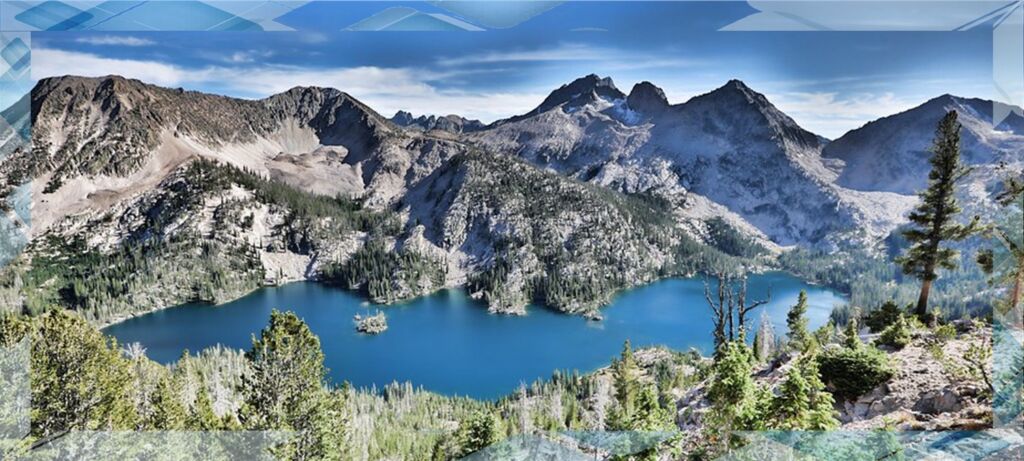
The Frank Church - River of No Return Wilderness Area covers 2.3 million acres. That's 3,700 square miles!

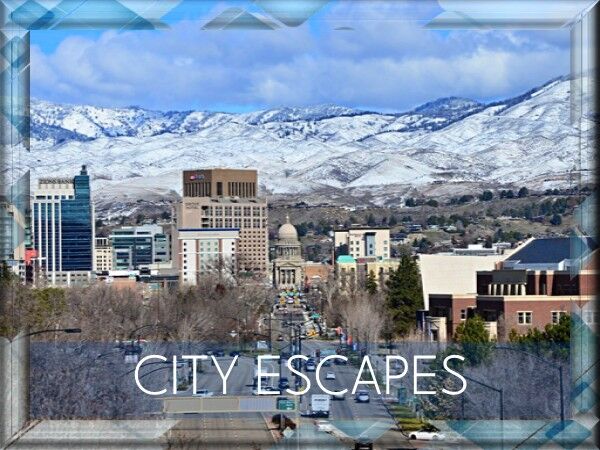
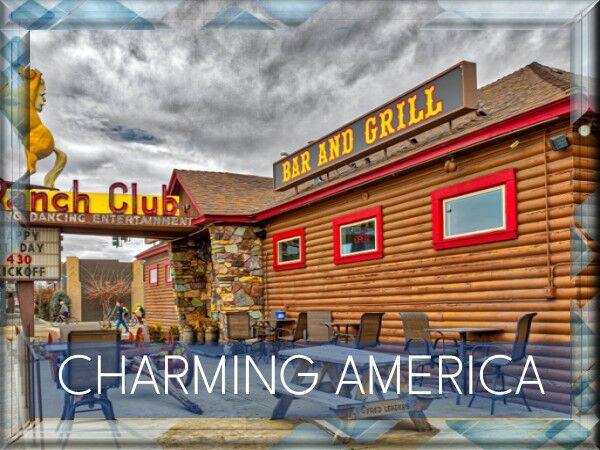
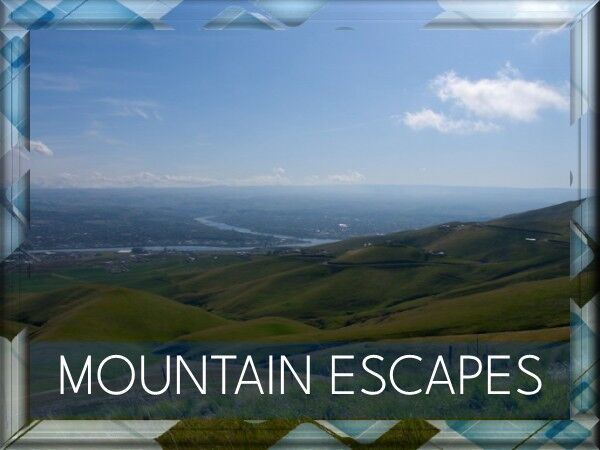
Idaho isn’t about cities, or even people. It’s about mountains, rivers, lakes, waterfalls, and magnificent forests. Home to the largest natural wilderness area in the lower 48 states, Idaho is a paradise for both residents and visitors. The state also has a particular affinity for potatoes, producing roughly a third of all the potatoes grown in the United States.
Known as “The Gem State,” Idaho is said to contain every known gemstone, including the rare star garnet, a stone found naturally only in Idaho and India. The state is also notable for having the furthest inland seaport in the United States. Located in Lewiston, the port is connected to the Pacific Ocean by a 465-mile system of locks along the Columbia and Snake Rivers. The Snake River, Idaho’s largest river, rises in Yellowstone National Park before carving its way through the deepest river gorge in North America, the 7,993-foot-deep Hells Canyon, and plunging over the spectacular Shoshone Falls.
Wilderness
Covering 2.3 million acres, the Frank Church–River of No Return Wilderness is one of the largest unbroken wilderness areas in the United States. Consisting largely of coniferous forest, its defining feature is the Salmon River, which offers thrilling white-water rafting and provides one of the few forms of motorized access into the wilderness by jet boat, the other being small aircraft.
The absence of roads has created a haven for wildlife, and Idaho has plenty of it. Mountain lions, coyotes, black bears, red foxes, gray wolves, bighorn sheep, mountain goats, elk, moose, and deer all roam these vast landscapes.
The state’s lakes and rivers are equally rich in wildlife, supporting an abundance of fish, including salmon that migrate upstream from the Pacific Ocean to spawn in Idaho’s waterways. For thousands of years, these fish formed a staple part of the diet of the region’s indigenous peoples, including the Shoshone and the Nez Perce. The latter received their name, meaning “pierced nose,” from French-Canadian fur trappers who were among the first Europeans to explore the area.
Mining and Forestry
European settlement arrived relatively late in Idaho. The first fur trading post, Kullyspell House, was established in 1809, while the first significant community emerged at Lewiston in 1861. Lewiston became the first capital of Idaho Territory in 1863 but held that distinction for only three years before the capital was moved south to Boise following nearby gold discoveries.
Mining was Idaho’s primary industry until its admission as the 43rd state on July 3, 1890. After statehood, agriculture, timber harvesting, and paper production expanded rapidly. Today, Idaho’s economy relies heavily on science and technology as well as the millions of visitors who come to experience its remarkable natural beauty.
Idaho contains more than 100 named mountain ranges and has an average elevation of approximately 5,000 feet above sea level. Its highest point is Borah Peak, which rises to 12,662 feet and reportedly gained an additional seven feet during the powerful earthquake of 1983.
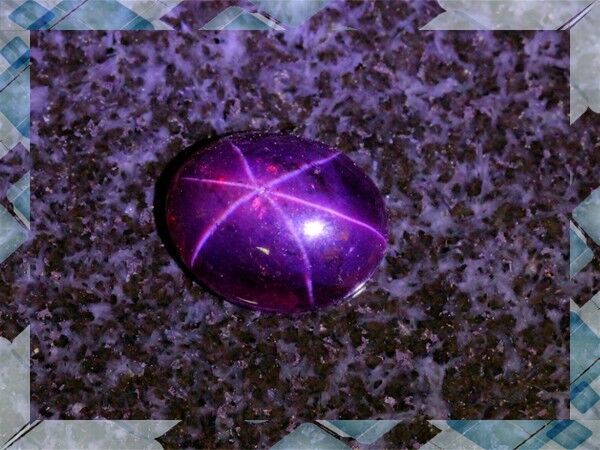
Star Garnet
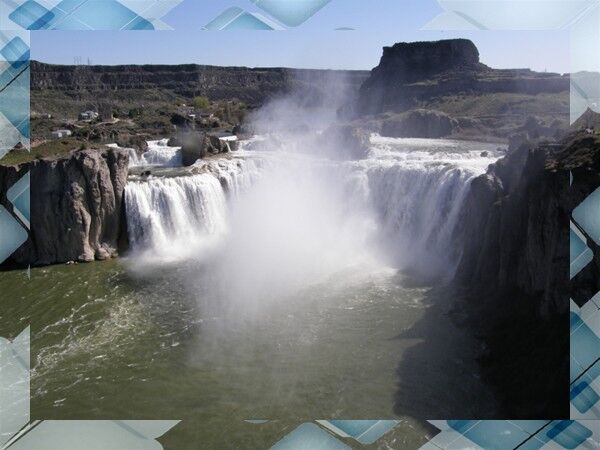
Shoshone Falls
Shoshone Falls are sometimes called the “Niagara of the West.” At 212 feet, they are 45 feet higher than Niagara Falls.
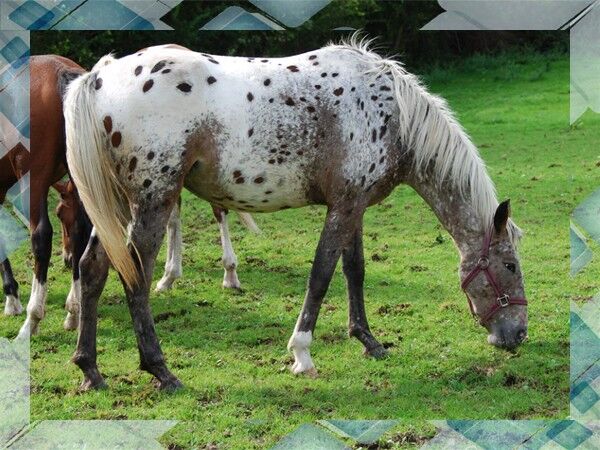
Appaloosas
The Appaloosa, Idaho’s official state horse, is famous for its distinctive spotted coat. Introduced to North America by Spanish settlers during the 1700s, the breed was enthusiastically adopted and refined by the Nez Perce people, who became renowned for their skill in breeding these beautiful and hardy horses.
Statehood
July 3, 1890
Fun Facts
- Arco, Idaho, made history in 1955 by becoming the very first city in the world to be completely illuminated by atomic energy.
- Lake Coeur d’Alene is home to the world’s longest floating boardwalk, stretching 3,300 feet over the water.
- Idaho grows nearly one-third of all potatoes in the United States. They are so proud of their star crop that the Idaho Potato Museum features a giant baked potato statue out front!
- The town of Wallace declared itself the “Center of the Universe” in 2004, and the local mayor even installed a manhole cover designating the exact spot.