Discover. Explore. Enjoy new Horizons!
QUEBEC
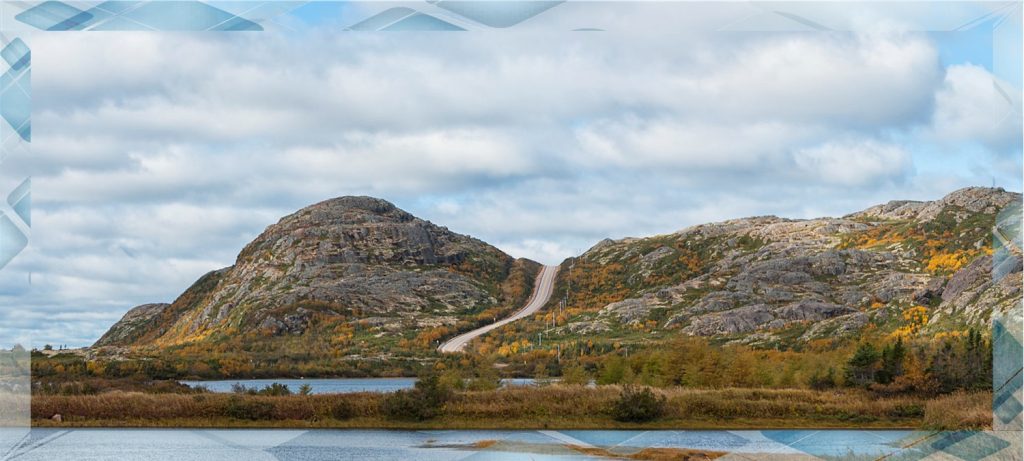
Picture Caption

Caption
Lorem ipsum dolor sit amet, consectetur adipiscing elit. Ut elit tellus, luctus nec ullamcorper mattis, pulvinar dapibus leo.
Caption
Lorem ipsum dolor sit amet, consectetur adipiscing elit. Ut elit tellus, luctus nec ullamcorper mattis, pulvinar dapibus leo.
Caption
Lorem ipsum dolor sit amet, consectetur adipiscing elit. Ut elit tellus, luctus nec ullamcorper mattis, pulvinar dapibus leo.
Famous for its European charm, historic cities, vast forests, and mighty rivers, Quebec is Canada’s largest province by area and the center of French-speaking culture in North America. Stretching from the fertile shores of the St. Lawrence River to the icy tundra bordering Hudson Bay and Ungava Bay, Quebec covers more than 595,000 square miles—an area larger than France, Spain, and Germany combined. Despite its immense size, most of the province’s population lives along the St. Lawrence River, while the northern regions remain a vast wilderness of forests, mountains, lakes, and Arctic landscapes.
Quebec experiences four distinct seasons, ranging from warm, colorful summers to long, snowy winters. Southern Quebec enjoys fertile farmland and bustling cities, while the north is dominated by boreal forests and frozen tundra. Wildlife flourishes throughout the province, with black bears, moose, wolves, caribou, beavers, and Canada lynx inhabiting its forests. Along the St. Lawrence River, visitors may even spot beluga whales, blue whales, and other marine mammals that migrate through one of the world’s largest estuaries.
A Province with French Roots
Long before Europeans arrived, Quebec was home to Indigenous peoples including the Innu, Cree, Inuit, Huron-Wendat, Mohawk, and Algonquin nations. These communities established extensive trade networks and developed cultures closely tied to the province’s rivers, forests, and northern landscapes.
In 1535, French explorer Jacques Cartier sailed up the St. Lawrence River and claimed the territory for France. More than seventy years later, Samuel de Champlain founded Quebec City in 1608, establishing one of North America’s oldest permanent European settlements. The colony, known as New France, became the center of French culture and commerce in the New World.
Following the Seven Years’ War, France ceded Quebec to Britain under the Treaty of Paris in 1763. Despite British rule, the French language, civil law, and Roman Catholic traditions remained firmly rooted in the province. On July 1, 1867, Quebec became one of the four founding provinces of the Dominion of Canada. Today, French is the province’s official language, and Quebec continues to preserve a distinct cultural identity unlike anywhere else in North America.
History, Festivals, and Natural Wonders
Quebec City, the provincial capital, is famous for its remarkably preserved fortified walls, making it the only walled city north of Mexico. Its cobblestone streets, centuries-old churches, and historic architecture have earned the city’s Old Town designation as a UNESCO World Heritage Site. Perched above the St. Lawrence River, the iconic Château Frontenac has become one of the most photographed hotels in the world.
Montreal, Quebec’s largest city, is Canada’s second-largest metropolitan area and one of North America’s leading cultural centers. Known for its festivals, museums, world-class cuisine, and vibrant arts scene, Montreal blends European character with modern innovation. Every year, millions of visitors attend internationally renowned events such as the Montreal International Jazz Festival and Just for Laughs.
Beyond its cities, Quebec offers an extraordinary variety of natural landscapes. The Laurentian Mountains provide year-round opportunities for hiking, skiing, and outdoor recreation, while the Gaspé Peninsula is celebrated for its dramatic cliffs, coastal scenery, and Percé Rock, one of Canada’s most recognizable natural landmarks. The province is also home to countless lakes, rivers, and provincial parks, making it a favorite destination for canoeing, fishing, and wildlife watching.
From its French heritage and historic cities to its vast wilderness and spectacular scenery, Quebec offers visitors a unique blend of culture, history, and natural beauty. Whether strolling through the streets of Old Quebec, enjoying the lively atmosphere of Montreal, or exploring the province’s forests and coastlines, travelers quickly discover why Quebec remains one of Canada’s most distinctive and unforgettable destinations.
BECAME A PROVINCE
Lorem ipsum dolor sit amet, consectetur adipiscing elit. Ut elit tellus, luctus nec ullamcorper mattis, pulvinar dapibus leo.
CAPITAL CITY
Lorem ipsum dolor sit amet, consectetur adipiscing elit. Ut elit tellus, luctus nec ullamcorper mattis, pulvinar dapibus leo.
STATE PARKS
Lorem ipsum dolor sit amet, consectetur adipiscing elit. Ut elit tellus, luctus nec ullamcorper mattis, pulvinar dapibus leo.
NATIONAL PARKS
Lorem ipsum dolor sit amet, consectetur adipiscing elit. Ut elit tellus, luctus nec ullamcorper mattis, pulvinar dapibus leo.
FUN FACTS
Lorem ipsum dolor sit amet, consectetur adipiscing elit. Ut elit tellus, luctus nec ullamcorper mattis, pulvinar dapibus leo.
Add Your Heading Text Here
Add Your Heading Text Here
Add Your Heading Text Here
Add Your Heading Text Here
Add Your Heading Text Here
Add Your Heading Text Here
Add Your Heading Text Here