Discover. Explore. Enjoy new Horizons!
SASKATCHEWAN
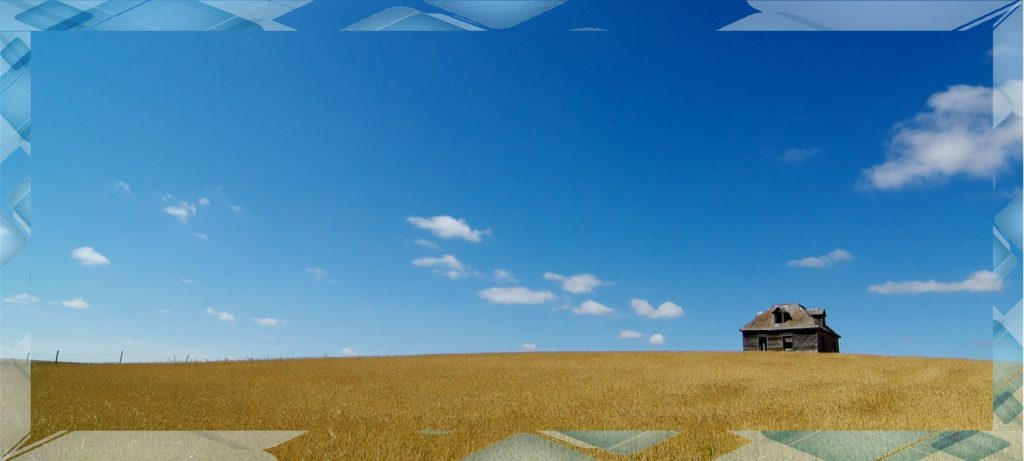
Saskatchewan is a vast prairie province known for its endless fields of golden wheat, wide-open skies, and breathtaking natural landscapes, from rolling grasslands to forested lakes. Rich in Indigenous history, friendly communities, and outdoor adventures, Saskatchewan offers visitors a true taste of Canada’s rugged beauty and pioneering spirit.
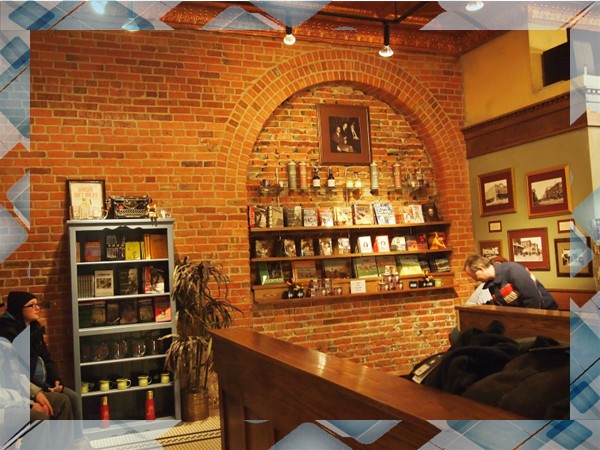
Tunnels of Moose Jaw
Tunnels of Moose Jaw is one of Saskatchewan’s most fascinating historical attractions, taking visitors beneath the streets of downtown Moose Jaw into a hidden network of underground passageways. Built in the early 1900s, these tunnels are believed to have been used by Chinese immigrants seeking refuge from discrimination and unfair labor conditions. Today, costumed guides bring this forgotten chapter of Canadian history to life through immersive tours that reveal the struggles and perseverance of the early Chinese community.
The tunnels also explore Moose Jaw’s colorful connection to the Prohibition era, when secret underground routes were rumored to have been used by bootleggers and organized crime figures moving illegal liquor across the border. Through dramatic storytelling and recreated scenes, visitors experience the mystery, intrigue, and legends that earned Moose Jaw the nickname “Little Chicago.” The Tunnels of Moose Jaw offer a unique blend of history, entertainment, and local folklore, making them one of Saskatchewan’s must-see attractions.
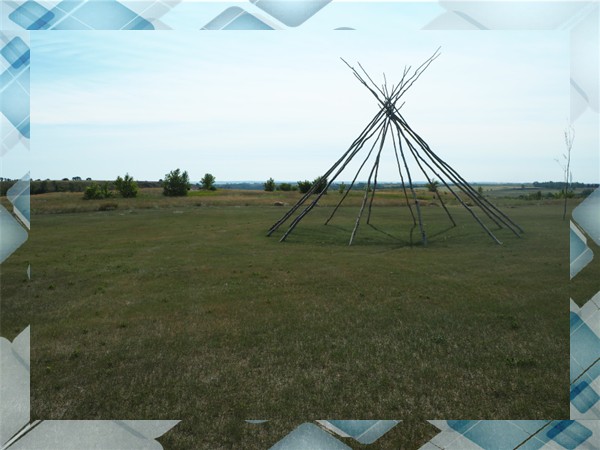
Wanuskewin Heritage Park
Wanuskewin Heritage Park is a remarkable cultural and historical site that celebrates more than 6,000 years of Indigenous heritage on the northern plains. Located just outside Saskatoon, the park preserves an important gathering place where First Nations peoples hunted, traded, gathered, and shared traditions for countless generations. Visitors can explore archaeological sites, walking trails, traditional art, exhibits, and interpretive programs that showcase the deep connection between Indigenous cultures and the land.
Surrounded by the beautiful prairie landscape, Wanuskewin offers a unique opportunity to learn about the history, spirituality, and traditions of the Northern Plains Indigenous peoples. The park is home to ancient bison jump sites, stone circles, and artifacts that reveal the lives of those who came before. With its blend of history, nature, and cultural experiences, Wanuskewin is one of Saskatchewan’s most meaningful and inspiring destinations.
Known for its endless prairies, shimmering lakes, golden wheat fields, and spectacular sunsets, Saskatchewan is a province where wide-open spaces and natural beauty stretch to every horizon. Located in the heart of Canada’s Prairie Provinces, Saskatchewan borders Alberta to the west, Manitoba to the east, the Northwest Territories to the north, and the U.S. states of Montana and North Dakota to the south. Covering more than 251,000 square miles, the province is home to over 100,000 lakes and rivers, vast grasslands, dense northern forests, and some of the darkest night skies in North America, earning it the nickname “The Land of Living Skies.”
Saskatchewan experiences four distinct seasons, each offering its own unique charm. Summers are warm and sunny, providing ideal conditions for hiking, fishing, boating, golfing, and exploring the province’s many parks and lakes. Autumn paints the forests and river valleys in brilliant shades of gold, while winter transforms the landscape into a playground for cross-country skiing, snowmobiling, and ice fishing. Spring brings fields of wildflowers and the return of millions of migratory birds to the province’s wetlands. Wildlife flourishes throughout Saskatchewan, with bison, moose, elk, white-tailed deer, pronghorn antelope, black bears, and countless species of waterfowl making their home across its diverse landscapes.
A Province Built on Indigenous Heritage and Prairie History
For thousands of years, Saskatchewan has been home to Indigenous peoples, including the Cree, Saulteaux, Dakota, Lakota, Nakota, Dene, and Métis. These nations lived in harmony with the prairie grasslands, forests, and rivers, relying on the vast bison herds that once roamed the region. Their traditions, languages, and cultures continue to play a vital role in shaping the province today.
European explorers and fur traders arrived during the 18th century, with the Hudson’s Bay Company and North West Company establishing trading posts throughout the region. As settlement expanded during the late 1800s, immigrants from across Europe helped transform the fertile prairie into one of the world’s most productive agricultural regions. Saskatchewan officially became Canada’s ninth province on September 1, 1905, and today remains one of the country’s leading producers of wheat, canola, lentils, and potash while celebrating a rich multicultural heritage.
Prairie Landscapes, Parks, and Outdoor Adventure
Regina, the provincial capital, is home to the impressive Saskatchewan Legislative Building, the Royal Saskatchewan Museum, and the Royal Canadian Mounted Police Heritage Centre, where visitors can learn about the history of Canada’s iconic national police force. Saskatoon, the province’s largest city, is known for its vibrant riverfront, thriving arts and culinary scene, and numerous parks that line the scenic South Saskatchewan River.
Beyond the cities, Saskatchewan offers remarkable outdoor experiences. Grasslands National Park protects one of the last remaining stretches of native mixed-grass prairie in North America, where visitors can spot free-ranging plains bison, prairie dogs, swift foxes, and some of Canada’s darkest star-filled skies. Prince Albert National Park combines forests, lakes, and rolling hills, offering exceptional opportunities for canoeing, camping, hiking, fishing, and wildlife viewing. The province’s thousands of lakes—including Lac La Ronge, Candle Lake, and Lake Diefenbaker—provide endless opportunities for boating, swimming, paddling, and world-class freshwater fishing.
From expansive wheat fields and peaceful lakes to vibrant cities and unforgettable prairie sunsets, Saskatchewan offers visitors an authentic Canadian experience filled with natural beauty, fascinating history, and warm prairie hospitality. Whether exploring the grasslands, paddling a quiet northern lake, discovering Indigenous and pioneer heritage, or simply watching the sun disappear beneath an endless horizon, travelers will find Saskatchewan to be one of Canada’s most welcoming and surprisingly diverse destinations.
BECAME A PROVINCE
September 1, 1905
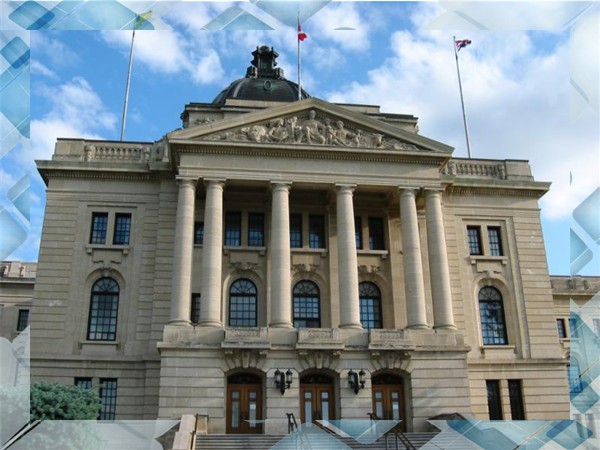
CAPITAL CITY
Regina
PROVINCIAL PARKS
Saskatchewan has 39 provincical parks.
CANADIAN NATIONAL PARKS
Saskatchewan is home to two Canadian national parks.
- Prince Albert national Park
- Grasslands National Park
FUN FACTS
The province grows over 50% of Canada’s wheat.
Saskatchewan has 250,000 kilometers of roads—enough to circle the Earth multiple times.
Its straight border lines make it one of the easiest provinces for school kids to draw.
St. Peter’s Abbey in Muenster is Canada’s oldest.
“Scotty,” the world’s largest known Tyrannosaurus rex, was dug up in southwest Saskatchewan.
The town of Kipling holds the record for the world’s largest paperclip.
Chickadees in local parks are so tame they will happily eat seeds right out of your hands.
Wanuskewin Heritage Park preserves over 6,000 years of Indigenous history on the northern plains.

Packages Coming Soon!
Packages Coming Soon!
Packages Coming Soon!