Discover. Explore. Enjoy new Horizons!
YUKON TERRITORY
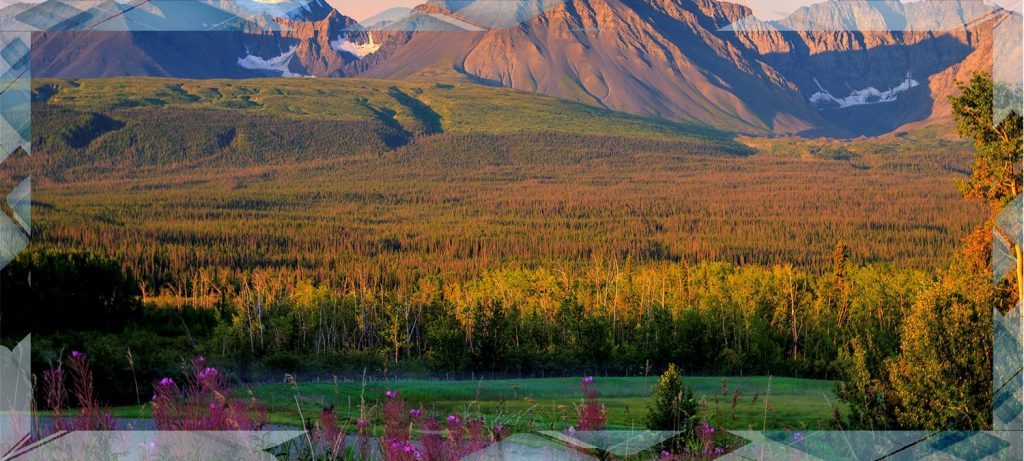
Picture Caption

Caption
Lorem ipsum dolor sit amet, consectetur adipiscing elit. Ut elit tellus, luctus nec ullamcorper mattis, pulvinar dapibus leo.
Caption
Lorem ipsum dolor sit amet, consectetur adipiscing elit. Ut elit tellus, luctus nec ullamcorper mattis, pulvinar dapibus leo.
Caption
Lorem ipsum dolor sit amet, consectetur adipiscing elit. Ut elit tellus, luctus nec ullamcorper mattis, pulvinar dapibus leo.
Renowned for its rugged mountain ranges, vast wilderness, rich Gold Rush history, and spectacular displays of the northern lights, Yukon is Canada’s westernmost and smallest territory by population. Located in the country’s far northwest, Yukon stretches from the border with Alaska to the Northwest Territories and covers nearly 186,300 square miles, making it one of Canada’s largest regions. Despite its immense size, the territory is home to fewer than 50,000 people, leaving most of its forests, rivers, glaciers, and mountain landscapes remarkably untouched.
Yukon experiences a subarctic climate characterized by long, cold winters and short, warm summers with extended daylight. During the summer months, many communities enjoy nearly 20 hours of daylight, while winter brings long nights that create ideal conditions for viewing the spectacular Aurora Borealis. The territory’s pristine wilderness supports an abundance of wildlife, including grizzly bears, black bears, moose, woodland caribou, Dall sheep, mountain goats, wolves, lynx, and bald and golden eagles. Combined with its dramatic scenery and remote landscapes, Yukon has become one of North America’s premier destinations for outdoor adventure and wilderness exploration.
Land of the Klondike Gold Rush
For thousands of years before European exploration, Yukon was home to Indigenous peoples, including the Tr’ondëk Hwëch’in, Kwanlin Dün, Vuntut Gwitchin, Champagne and Aishihik, Teslin Tlingit, and several other First Nations. Their deep cultural traditions and enduring connection to the land continue to shape Yukon’s identity and heritage today.
European fur traders first entered the region during the nineteenth century, but Yukon gained worldwide attention in 1896 with the discovery of gold near Bonanza Creek. The resulting Klondike Gold Rush attracted more than 100,000 prospectors from around the world, transforming Dawson City into one of North America’s most famous frontier boomtowns. Although only a fraction of the prospectors struck it rich, the Gold Rush permanently shaped the territory’s history and development.
Yukon officially became a separate territory in 1898 as the Canadian government sought to establish law and order during the Gold Rush. Today, mining remains an important industry alongside tourism, government services, renewable energy, and scientific research, while the territory continues to celebrate its remarkable frontier heritage.
Mountains, Glaciers, and Arctic Adventure
Although Yukon is best known for its Gold Rush history, it is equally celebrated for its breathtaking natural landscapes. Kluane National Park and Reserve is home to Canada’s highest peak, Mount Logan, which rises 19,551 feet above sea level. The park also protects vast icefields, towering glaciers, alpine meadows, and some of the continent’s most diverse populations of large mammals, making it one of Canada’s greatest wilderness destinations. Visitors can enjoy hiking, mountaineering, rafting, wildlife viewing, and flightseeing over some of the world’s largest non-polar icefields.
Whitehorse, the territorial capital and largest community, sits along the Yukon River and serves as the territory’s cultural and economic center. Visitors can explore museums, historic sites, scenic riverfront trails, and the restored SS Klondike, a reminder of the region’s sternwheel riverboat era. Dawson City preserves much of its Gold Rush character with historic wooden buildings, boardwalks, museums, and annual cultural festivals that celebrate the territory’s colorful past. Throughout Yukon, scenic highways such as the Alaska Highway and the Dempster Highway provide access to remote wilderness, crystal-clear lakes, dramatic mountain passes, and unforgettable northern landscapes.
From towering peaks and glacier-fed rivers to historic mining towns and brilliant northern lights, Yukon offers an extraordinary blend of natural beauty, history, and adventure. Whether hiking through alpine wilderness, paddling a remote river, exploring Gold Rush landmarks, or witnessing the midnight sun or Aurora Borealis, visitors quickly discover why Yukon remains one of Canada’s most awe-inspiring and unforgettable destinations.
BECAME A PROVINCE
Lorem ipsum dolor sit amet, consectetur adipiscing elit. Ut elit tellus, luctus nec ullamcorper mattis, pulvinar dapibus leo.
CAPITAL CITY
Lorem ipsum dolor sit amet, consectetur adipiscing elit. Ut elit tellus, luctus nec ullamcorper mattis, pulvinar dapibus leo.
STATE PARKS
Lorem ipsum dolor sit amet, consectetur adipiscing elit. Ut elit tellus, luctus nec ullamcorper mattis, pulvinar dapibus leo.
NATIONAL PARKS
Lorem ipsum dolor sit amet, consectetur adipiscing elit. Ut elit tellus, luctus nec ullamcorper mattis, pulvinar dapibus leo.
FUN FACTS
Lorem ipsum dolor sit amet, consectetur adipiscing elit. Ut elit tellus, luctus nec ullamcorper mattis, pulvinar dapibus leo.
Add Your Heading Text Here
Add Your Heading Text Here
Add Your Heading Text Here
Add Your Heading Text Here
Add Your Heading Text Here
Add Your Heading Text Here
Add Your Heading Text Here