Discover. Explore. Enjoy new Horizons!
TEXAS
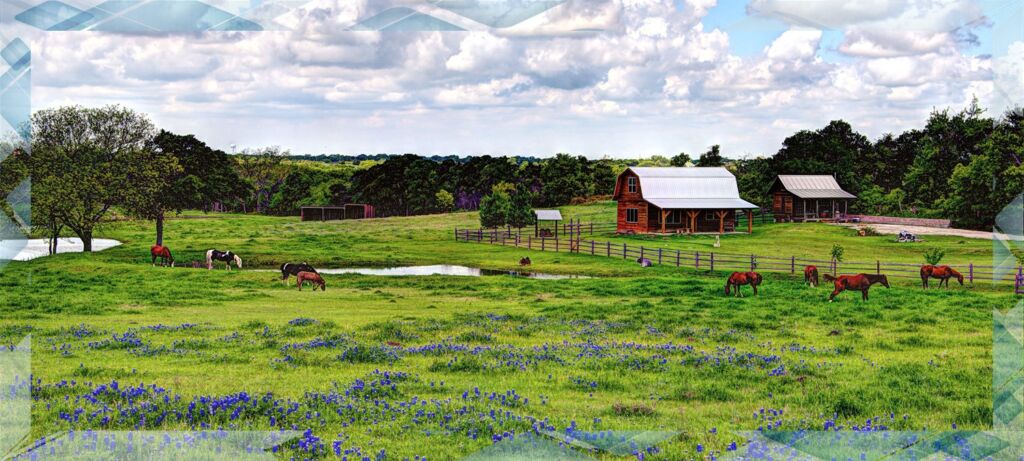
Everything feels bigger in Texas, where visitors can experience vibrant cities, wide-open landscapes, and a rich blend of cultures and traditions. Travelers can explore attractions ranging from the historic San Antonio River Walk to the rugged beauty of Big Bend National Park, while enjoying world-famous barbecue, live music, and authentic Tex-Mex cuisine. Whether seeking outdoor adventure, cultural experiences, or lively entertainment, Texas offers something memorable for every traveler.
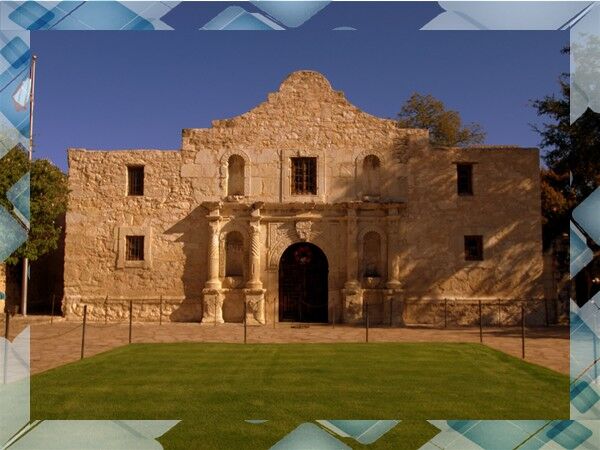
The Alamo
The Alamo in San Antonio is one of the most famous historic sites in the United States. Originally built as a Spanish mission, it became the scene of one of the defining moments of the Texas Revolution. In February and March 1836, approximately 200 Texian and Tejano defenders—including the legendary Jim Bowie and Davy Crockett—held out for 13 days against the vastly larger army of Mexican General Antonio López de Santa Anna.
On March 6, 1836, Mexican forces stormed the mission, killing nearly every defender. Although the battle was a military defeat, the courage and sacrifice of those inside the Alamo became a rallying cry throughout Texas. “Remember the Alamo!” inspired General Sam Houston’s army to victory just weeks later at the Battle of San Jacinto, securing Texas’ independence and cementing the Alamo’s place in American history.
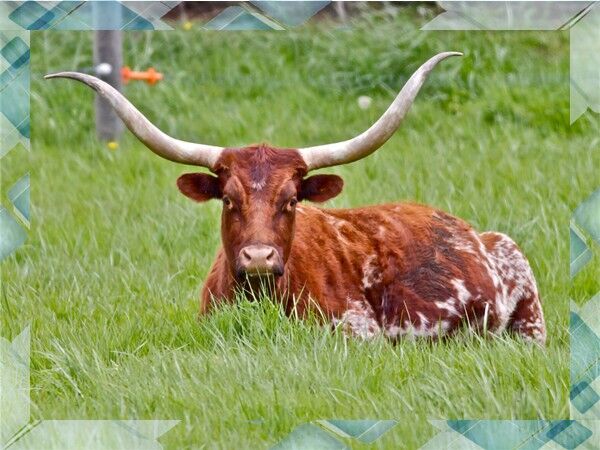
Texas Longhorn
The Texas Longhorn is one of the most recognizable symbols of the American West, admired for its sweeping horns, rugged endurance, and calm temperament. Descended from cattle brought to North America by Spanish explorers in the 1500s, the breed adapted over centuries to the harsh landscapes of Texas, developing remarkable resilience and the ability to thrive in difficult conditions.
Today, Texas Longhorns are a beloved part of the state’s heritage and can often be seen grazing on ranches or featured in rodeos, parades, and historical sites. Their striking appearance and rich history make them a favorite attraction for visitors, offering a glimpse into the ranching traditions that helped shape Texas and the American frontier.
Cowboys in ten-gallon hats, cattle drives, the Rio Grande and Red River, vast prairies, rugged canyons, armadillos, and pine forests are all part of what makes Texas legendary. But there’s another side to the Lone Star State—towering skylines, sprawling oil refineries along the Gulf Coast, cutting-edge technology, and the home of America’s human spaceflight program. Texas is both: classic cowboy country and an economic powerhouse rolled into one. It is the largest state in the contiguous United States, and second only to California in population.
In the 19th century, cattle comfortably outnumbered people. Texas was a land of cowboys, cotton, and open ranges, shaped by a turbulent history as an independent republic and a frontier between the United States and Mexico.
Houston, We Have a Problem
Texas’s largest city is named after Sam Houston, the military leader who secured Texas’ independence from Mexico at the Battle of San Jacinto. He remains the only person to have served as governor of two different states—first Tennessee and later Texas. During the nine years that Texas existed as an independent republic, Houston worked tirelessly to secure annexation by the United States. His efforts were rewarded in 1845, when Texas became the 28th state in the Union. Houston later served as governor of Texas from 1859 to 1861.
Today, Houston is known not only for its energy industry but also for the Johnson Space Center, where generations of astronauts have trained and countless space missions have been directed. The famous phrase, “Houston, we’ve had a problem,” spoken during the Apollo 13 mission, forever linked the city with America’s space program.
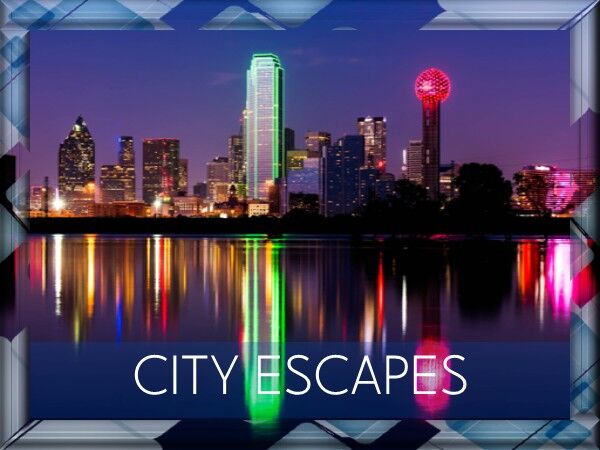
Sports are equally important to Texans. The state boasts professional football, baseball, basketball, hockey, and soccer teams. Dallas, Texas’s third-largest city, is perhaps the best known internationally, not least because it was the site of President John F. Kennedy’s assassination in 1963.
Big and Beefy
For culture, head to Austin, the state capital and the self-proclaimed “Live Music Capital of the World.” Hundreds of venues host live performances every week, while the annual South by Southwest (SXSW) festival attracts musicians, filmmakers, and technology innovators from around the globe.
Texas takes barbecue seriously. Beef is king, and as you travel across the state you’ll discover four distinct regional barbecue traditions, each with its own techniques and flavors. Texans are equally passionate about chili. While many visitors expect beans, traditional Texas chili—often called “a bowl of red”—is famously made without them, relying instead on slow-cooked beef and a rich blend of chili peppers and spices. Fried catfish, smoked brisket, and Tex-Mex cuisine complete the state’s celebrated culinary traditions.
Rodeo is woven into the fabric of Texas culture. The world’s first rodeo is widely believed to have taken place in Pecos in 1883, and today rodeo is recognized as the official state sport, drawing huge crowds to competitions across Texas each year.
STATEHOOD
December 29, 1845
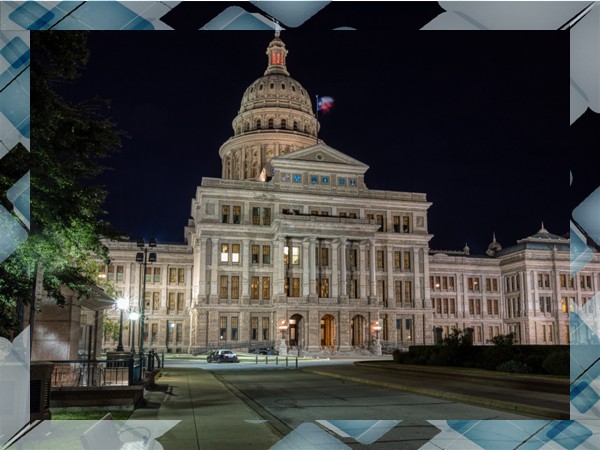
CAPITAL CITY
Austin
STATE PARKS
Texas has 90 state parks.
NATIONAL PARKS
Texas is home to two national parks.
- Guadalupe Mountains National Park
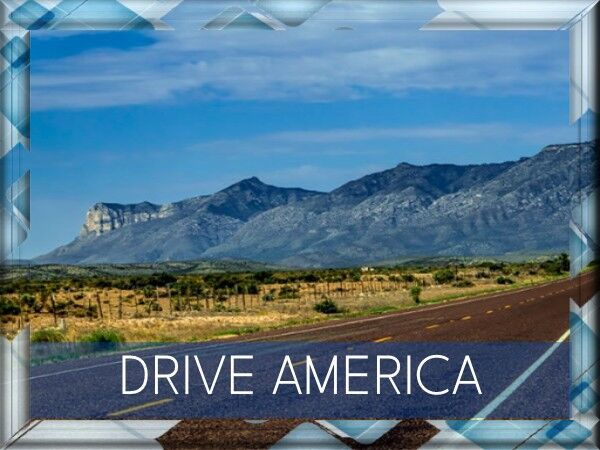
- Big Bend National Park
FUN FACTS
The Texas Capitol building in downtown Austin is actually 15 feet taller than the U.S. Capitol building in Washington, D.C!
The legendary King Ranch in South Texas encompasses over 825,000 acres, making it physically larger than the entire state of Rhode Island.
Bugs Bunny’s famous catchphrase was coined by Looney Tunes animator Tex Avery, who grew up in Texas and based the phrase on slang he heard locally.
Invented in Waco in 1885, the iconic Dr Pepper recipe is a closely guarded secret. The formula is reportedly kept in two halves in safety deposit boxes at two different Dallas banks.
Austin’s Congress Avenue Bridge is home to North America’s largest urban bat colony, where up to 1.5 million Mexican free-tailed bats reside. However, San Antonio’s Bracken Cave boasts the largest overall bat colony in the world!
The name “Texas” comes from a Caddo Indian word meaning “friends”. Over its history, the land has flown six different flags: Spain, France, Mexico, the Republic of Texas, the United States, and the Confederacy.
Packages Coming Soon!

Packages Coming Soon!
Packages Coming Soon!

Packages Coming Soon!

Packages Coming Soon!