Expand your horizons! Embrace the world!
PENNSYLVANIA
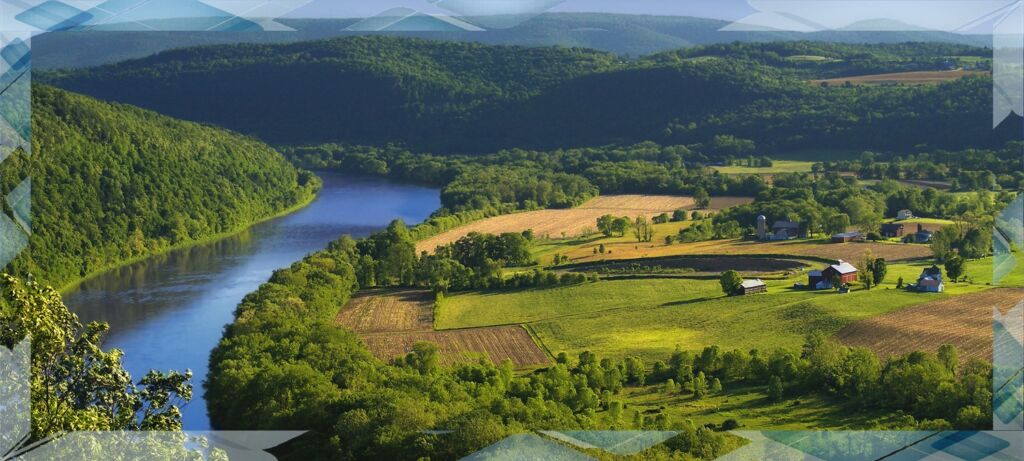
Pennsylvania offers an unforgettable mix of American history, scenic countryside, vibrant cities, and charming small towns. Visitors can explore the birthplace of the nation, tour historic battlefields, experience the beauty of the Pocono Mountains, and enjoy the state's renowned farms, forests, and covered bridges. From world-class museums and cultural attractions to outdoor adventures and family-friendly destinations, Pennsylvania has something for every traveler.
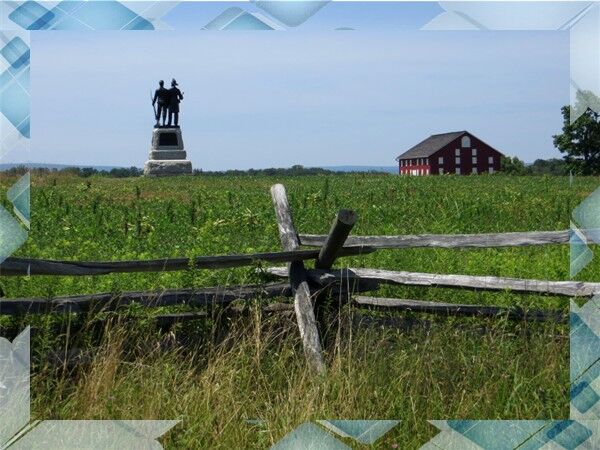
Gettysburg
The Pennsylvania town of Gettysburg lies south of Harrisburg, near the border with Maryland. In 1863, it was the scene of the costliest battle of the Civil War, a battle that marked a turning point in the conflict. The action lasted three days and left around 50,000 casualties, as Confederate General Robert E. Lee tried to make inroads into Union territory. The Union forces held out, though, and the Confederates were forced to retreat. Four and a half months after the battle, Abraham Lincoln mad a speech lasting a little over tow minutes in which he honored the dead and redefined the purpose of the war. His Gettysburg Address would become one of the most famous speeches in the history of mankind.
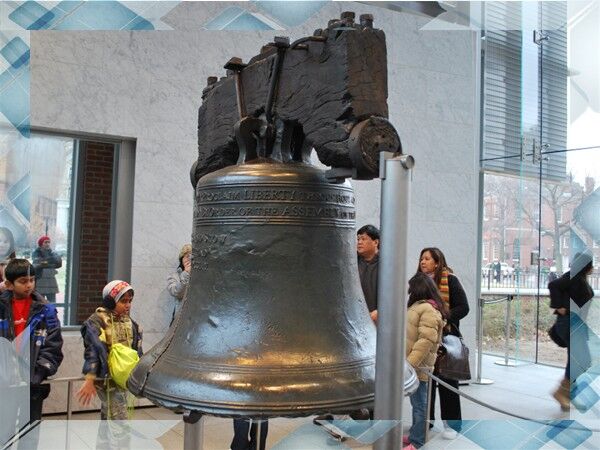
Liberty Bell
In the 18th century, a great bell was cast at the Whitechapel Foundry in the East End of London and shipped to Pennsylvania, where it was installed in the bell tower of what is now Independence Hall, Philadelphia. During the Revolutionary War, the bell came to be a symbol of U.S. independence. Today, the Liberty Bell is housed in a separate building.
One of the original 13 colonies, Pennsylvania was “The Keystone State” that held all the others together. Everyone should know that this historic place named after William Penn, who wasn’t the man who founded it but his father. The name was chosen by King Charles II of England. Penn was a humble Quaker who wanted to establish a haven of liberal attitudes toward religion, democracy, and peace. He called it his “holy experiment.”
By the time of the Declaration of Independence in 1776, Pennsylvania found itself in the middle of the 13 disgruntled colonies, and so its legislative center, Philadelphia, naturally became the meeting place for the Continental Congress. The Declaration itself was signed in Philly, the U.S. Constitution was drawn up there, and it served as the first capital of the newly formed United States of America.
Conservative Attitudes
Across the state of Philadelphia lies Pittsburgh, PA’s other big city, famous for steel, Heinz baked beans, and the Dark Knight movies. While Philadelphia has the history and the culture (famous zoo, orchestra, old bookshops etc.), Pittsburgh is grittier and more industrial. The rest of PA is very different altogether. Most of the state is rural, with rolling hills and lush valleys with small villages dotted about. America’s second biggest Amish community live out here in the farmland, having first landed as part of a wider group now known as the Pennsylvania Dutch (from Deutsch, meaning German). The Delaware River, which George Washington crossed so famously during the Revolutionary War, is the scene of an annual re-enactment in Philadelphia, and the Susquehanna, which runs through the capital Harrisburg, is spanned by the longest stone arch bridge in the world: The Rockville Bridge.
Entertainers
All of which may explain the somewhat surprising statistic that PA has produced only one U.S. president, the bachelor James Buchanan, whose term in office is somewhat overshadowed by that of his successor, Abraham Lincoln. Since then, PA’s famous sons and daughters have tended to be entertainers of one kind or another. Louisa May Alcott, John Updike, Gene Kelly, James Stewart, W.C. Fields, Grace Kelly, and Andy Warhol were all born in PA.
Scrapple, also known as Pannhaas, is a Pennsylvania Dutch specialty – a loaf of spiced pork oof-cuts compressed with cornmeal and flour, sliced, and fried. Even more popular is the Philly cheese steak, a blend of steak and cheese on a long “hoagie,” eaten with maximum relish.
Pretzels, sausage and potato chips are all big in PA too, which, for as state that produces a lot of healty stuff like black cherries and apples, is perhaps surprising. Maybe they save the good stuff for their biggest celebrity, Punxsutawney Phil, the world-famous weather forcasting rodent, whose annual spring forecast is celebrated on Groundhog Day.
STATEHOOD
December 12, 1787
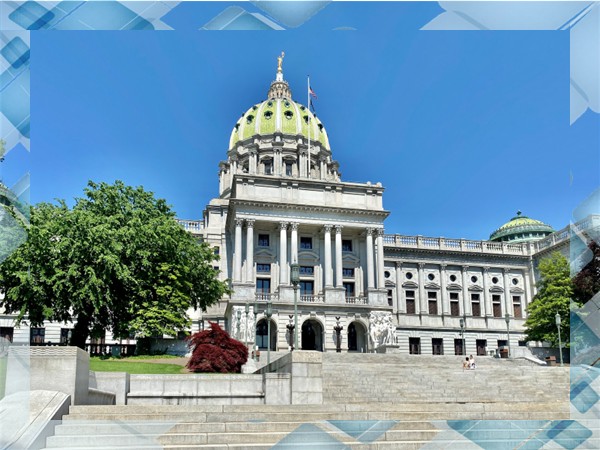
CAPITAL CITY
Harrisburg
STATE PARKS
Pennsylvania has 124 state parks.
NATIONAL PARKS
Though Pennsylvania has no official national parks, it is home to nineteen sites operated by the National Park Service.
FUN FACTS
In the heart of Amish Country, you can visit a town officially named Intercourse.
Centralia has been burning from an underground coal fire since 1962, forcing almost all residents to evacuate and leaving behind an eerie, smoking ghost town.
Pittsburgh boasts an impressive 446 bridges—beating out Venice, Italy, which only has around 400.
Pennsylvania is famously home to weird local regulations, including a legendary law that supposedly makes it illegal to sing in the bathtub or catch a fish with your hands.
Philadelphia’s Eastern State Penitentiary had flushing indoor plumbing and central heating long before the White House did.

Packages Coming Soon!

Packages Coming Soon!
Packages Coming Soon!
Packages Coming Soon!

Packages Coming Soon!