
Go Funway

Expand your horizons! Embrace the world!

TRAVELER RESOURCES

Go Funway HeaderPhotoTravelGeneral

Find Answers Before You Travel.

Go Funway PICTravelDocs
Go Funway PICCurrency

ELECTRICITY WHILE TRAVELING

You’ve renewed your passport, bought your plane tickets, and researched your destination; now it’s time to prepare for the little details of traveling overseas.  One is making sure you have the right equipment needed to use any electrical devices you’re bringing on your trip.  That means making sure you have the right travel adapter and, if necessary, the right voltage converter.

All electrical sockets are not created equal; if you are going to use a device overseas, you need to know what type of voltage is used in the country you’re traveling to and what type of adapter is needed to plug your devices into the outlet.  Otherwise, you may end up with an overheating curling iron (just imagine what this would do to your hair!) or a fried cell phone charger.

Lets start with the basics:  What exactly is the difference between an adapter and a converter?  An electric converter changes the voltage of your electronic device.  An outlet adapter changes the shape of your plug, not the electrical voltage, allowing you to plug appliances into wall outlets in countries with different-shaped plugs than your own.  Below, you will see which outlet designs are used in different countries.

The first thing to consider is which devices you really need to pack on your trip.  While you cell phone is a no-brainer, can you get by without a tablet or laptop?  Most hotels offer hair dryers and irons so you don’t have to bring your own, and you can easily use manual razors and toothbrushes instead of their electric counterparts.

If you plan on staying in one country for a while, you might want to buy a hair dryer or electric razor there.  Battery-operated appliances are another option if you’re willing to bring plenty of replacements.

Most American-made electrical appliances work at 110 volts.  While Japan, most of North America, and parts of South America and the Caribbean use voltage between 100 and 125, the vast majority of the world uses 220 to 240 volts.

Before you run out and buy a voltage converter, there’s a very important piece of information you need to know.  The vast majority of modern travel gadgets are dual-voltage, meaning they automatically convert to run on other voltage systems.  Most smartphones, tablets, and other gadgets are dual-voltage, and if you use a converter on something that is already dual-voltage, you can damage your device.

How do you know if your device is dual-voltage?  Check the label on/or owner’s manual:  If it says something similar to “INPUT AC 120 VAC 60 Hz 200 W,” then your gadget is single-voltage and can only be used on 120 V.  If you want to use it elsewhere, you’ll need a converter.  If you see something like “INPUT AC 120/240 V 50-60 Hz 1300 W,” then your device is dual-voltage, and you can safely use it for voltages anywhere between 120 V and 240 V.  If this is the case, you’ll only need a plug adapter.  (See chart below.)

Small electronics, razors, and non-heating appliances will need a 50-watt converter.  Heating appliances such as dryers, irons, coffee makers, and other high-powered electrical devices need converters up to 2000 watts.  You can also purchase combination converters for both types (many of which also come with adapter plugs).  Check the label on your electrical appliance to find its wattage.

Power converters are generally bulkier and heavier than adapters.  Remember that you will always need to use an adapter with a converter, but you won’t always need to use a converter with an adapter.

Even if two countries operate on the same voltage, their outlets might not take the same shape of plug – and that’s where an adapter comes in.  An adapter will allow you only to plug your appliance into another type of outlet.  Most are small and lightweight, making them easy to pack.  If you’re packing lots of devices, you should invest in multiple adapters so that you can charge all of your electronics at once.

Be sure to buy your converter and adapter before you leave.  In a foreign country, it can be hard to find one that is designed to convert your American plug/voltage into a foreign electricity/plug., rather than the other way around.  Also, the converters and adapters found at airport shops are usually highly marked up, whereas you can get both for much cheaper online if you buy before you go. 

Adapters and converters are available at most trave/luggage stores, pharmacies, electronics stores and even your neighborhood big box retailer.  You can also purchase them online.

Plug & Socket Types Around the World

There are currently 15 types of domestic electrical outlet plugs in use worldwide, each of which has been assigned a letter by the US Department of Commerce International Trade Administration (ITA), starting with A and moving through the alphabet. These letters are completely arbitrary: they don’t actually mandate anything.

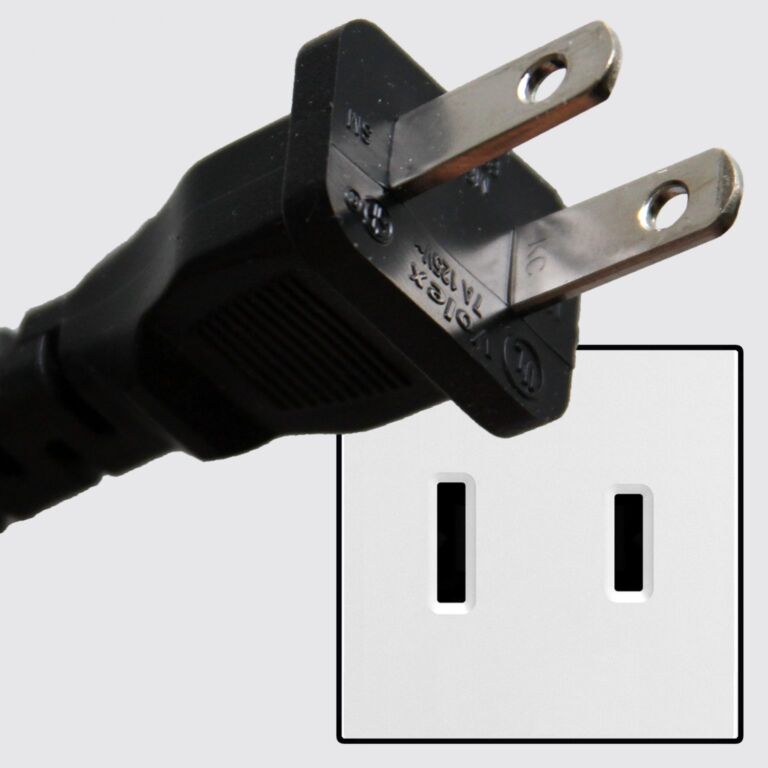
  • Type A

    • mainly used in the USA, Canada, Mexico & Japan
    • 2 pins
    • not grounded
    • 15 A
    • almost always 100 – 127 V
    • socket compatible with plug type A
Go Funway Type A

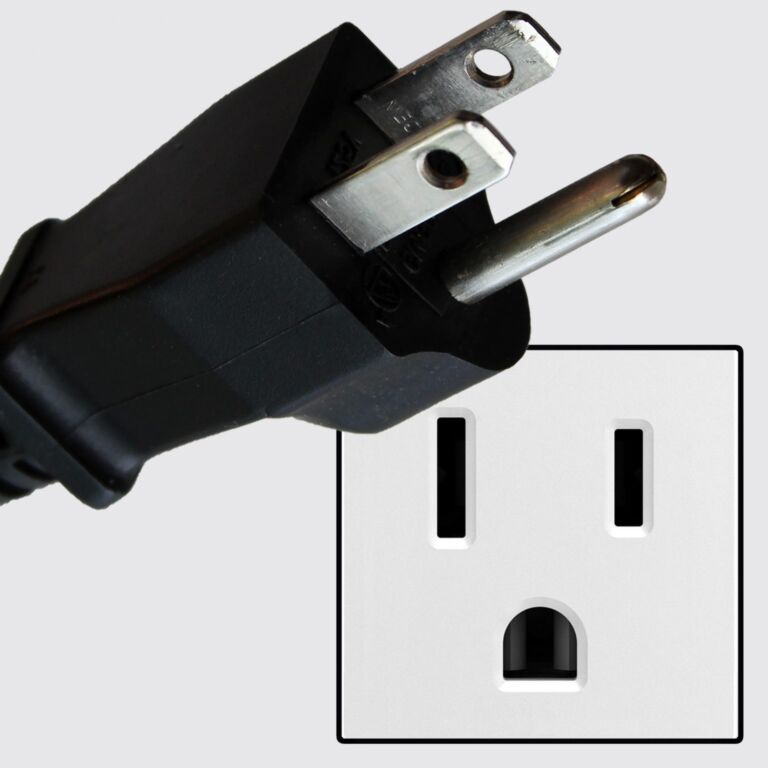
Type B

  • mainly used in the USA, Canada & Mexico
  • 3 pins
  • grounded
  • 15 A
  • almost always 100 – 127 V
  • socket compatible with plug types A & B
Go Funway Type B

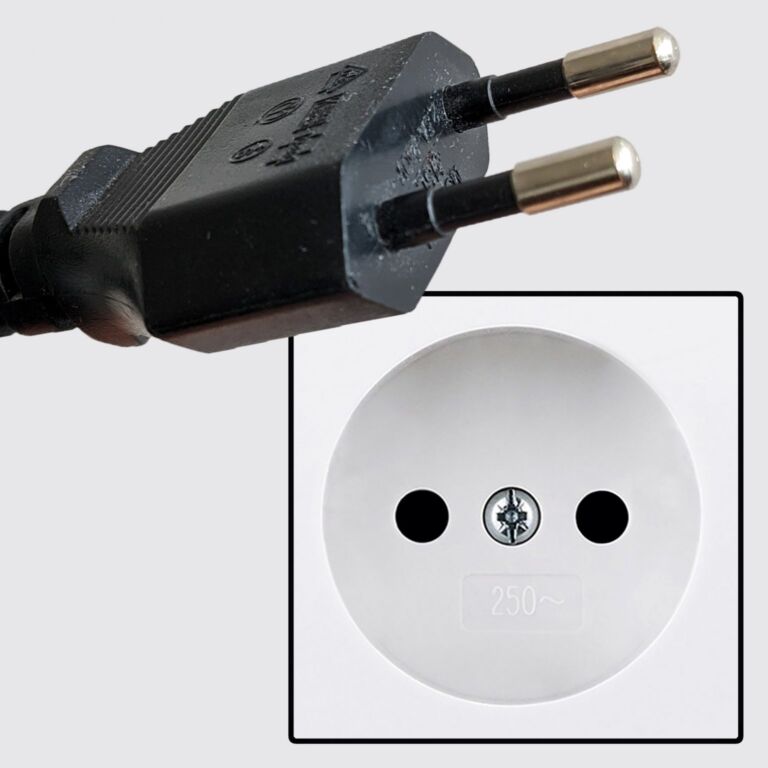
Type C

  • commonly used in Europe, South America & Asia
  • 2 pins
  • not grounded
  • 2.5 A, 10 A & 16 A
  • almost always 220 – 240 V
  • socket compatible with plug type C
Go Funway Type C

Type D

  • mainly used in India
  • 3 pins
  • grounded
  • 5 A
  • 220 – 240 V
  • socket compatible with plug type D (partial and unsafe compatibility with C, E & F)
Go Funway Type D

Type E

  • primarily used in France, Belgium, Poland, Slovakia & Czechia
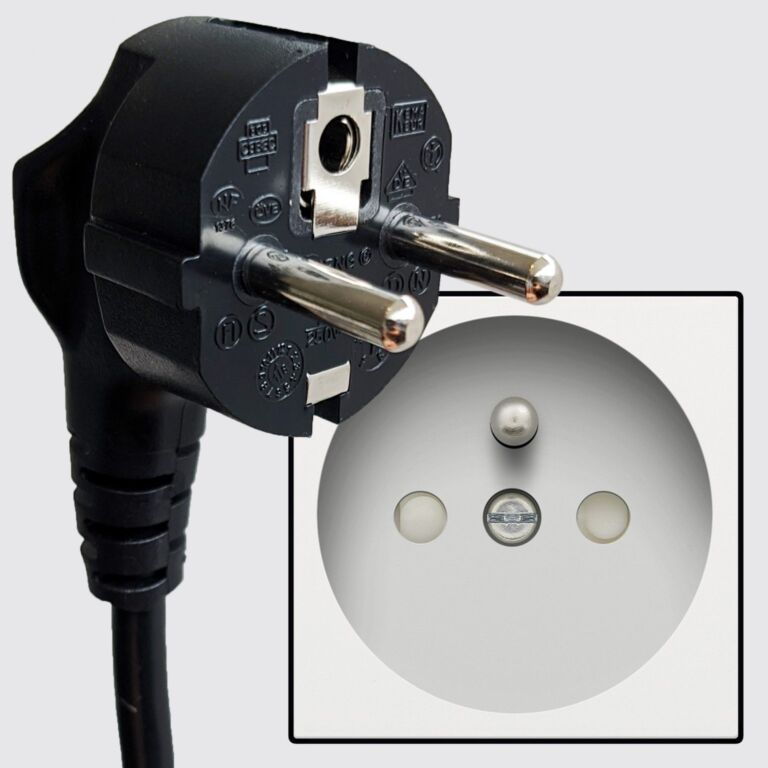
  • 2 pins
  • grounded
  • 16 A
  • 220 – 240 V
  • socket compatible with plug types C, E & F
Go Funway Type E

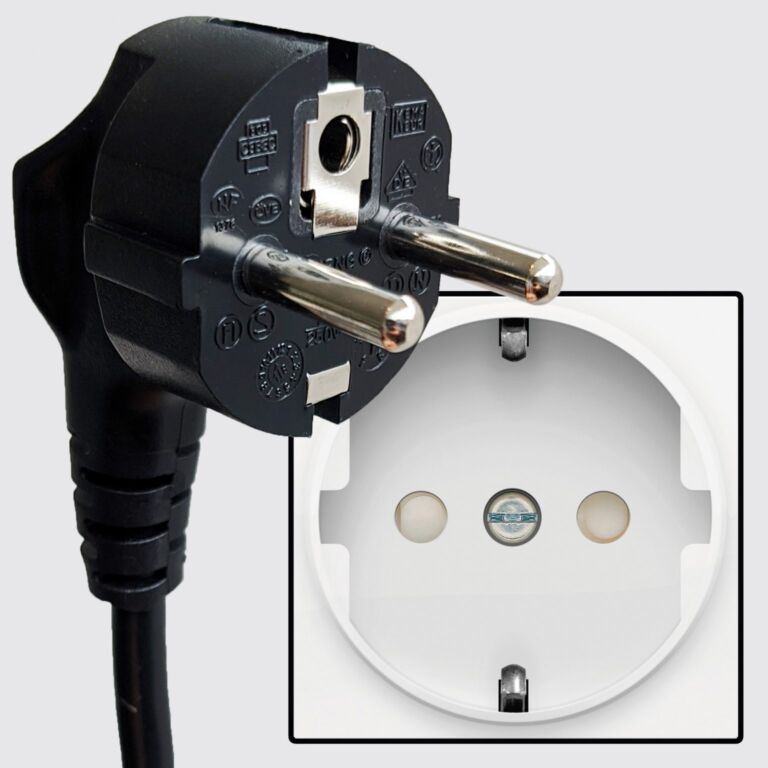
Type F

  • used almost everywhere in Europe & Russia, except for the UK & Ireland
  • 2 pins
  • grounded
  • 16 A
  • 220 – 240 V
  • socket compatible with plug types C, E & F
Go Funway Type F

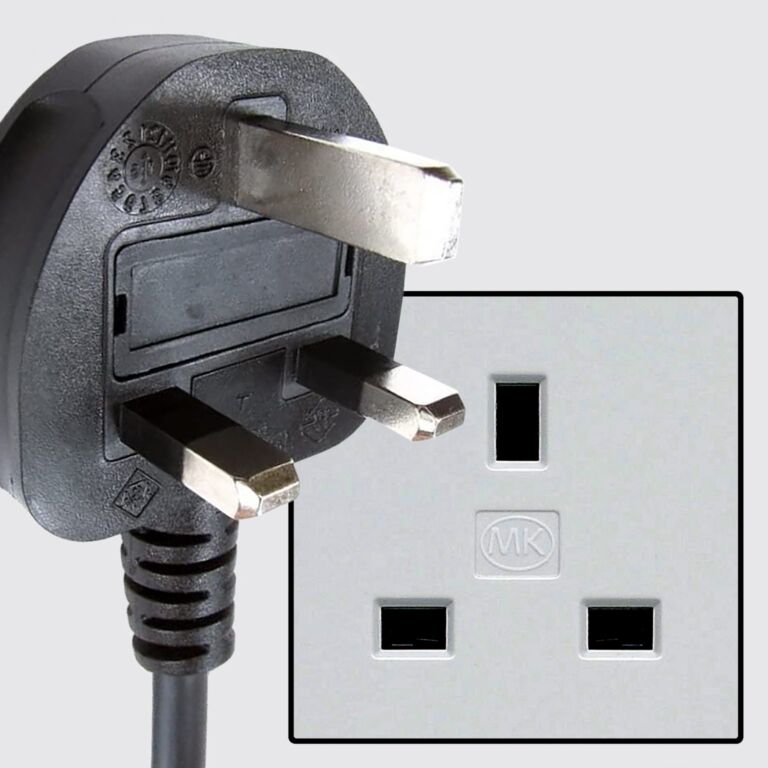
Type G

  • mainly used in the United Kingdom, Ireland, Malta, Malaysia, Singapore & the Arabian Peninsula
  • 3 pins
  • grounded
  • 13 A
  • 220 – 240 V
  • socket compatible with plug type G
Go Funway Type G

Type H

  • used exclusively in Israel, the West Bank & the Gaza Strip
  • 3 pins
  • grounded
  • 16 A
  • 220 – 240 V
  • socket compatible with plug types C & H (partial and unsafe compatibility with E & F)
Go Funway Type H

Type I

  • mainly used in Australia, New Zealand, China & Argentina
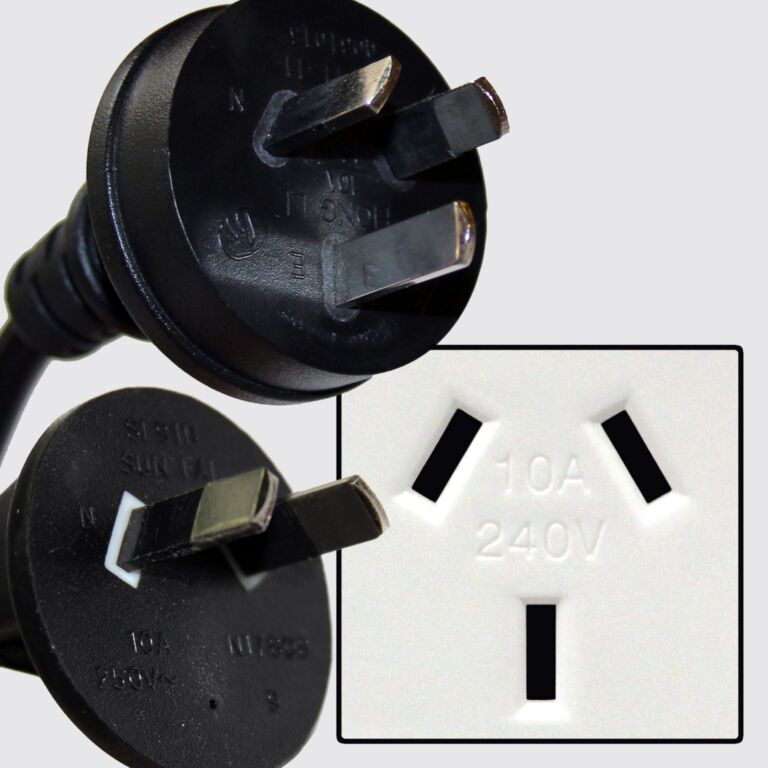
  • 2 or 3 pins
  • 2 pins: not grounded / 3 pins: grounded
  • 10 A
  • 220 – 240 V
  • socket compatible with plug type I
Go Funway Type I

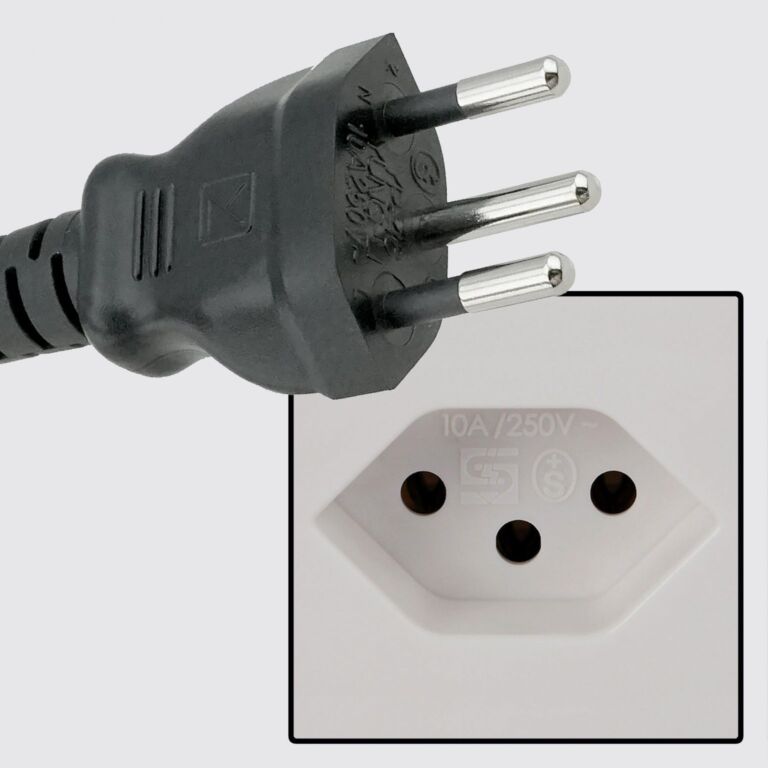
Type J

  • used almost exclusively in Switzerland & Liechtenstein
  • 3 pins
  • grounded
  • 10 A
  • 220 – 240 V
  • socket compatible with plug types C & J
Go Funway Type J

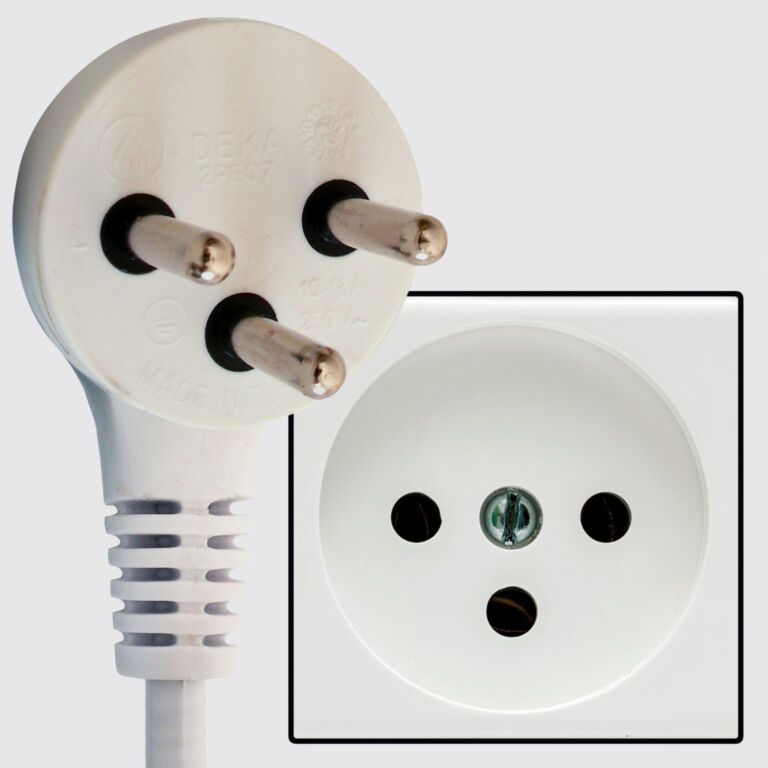
Type K

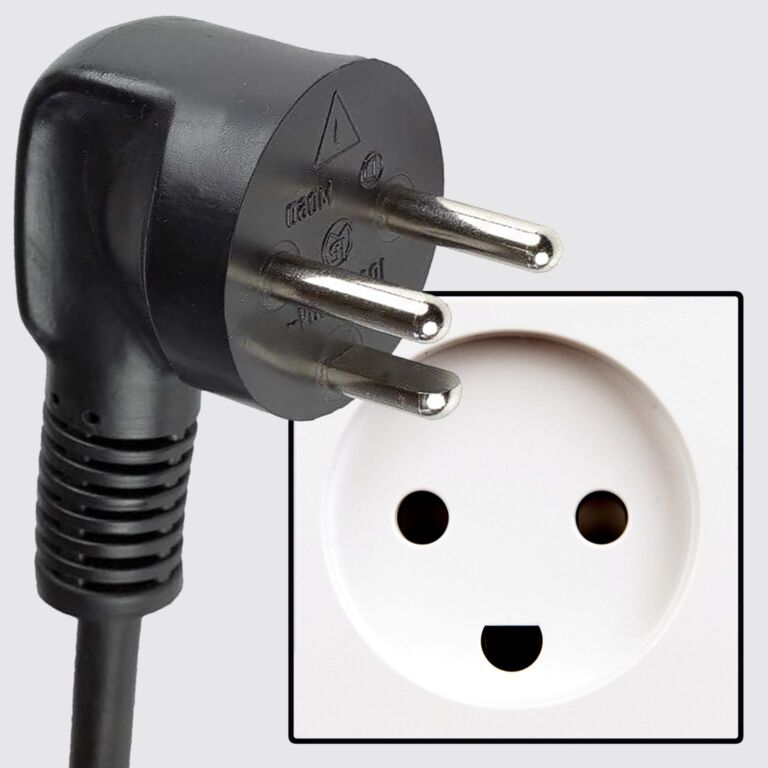
  • used almost exclusively in Denmark & Greenland
  • 3 pins
  • grounded
  • 16 A
  • 220 – 240 V
  • socket compatible with plug types C & K (partial and unsafe compatibility with E & F)
Go Funway Type K

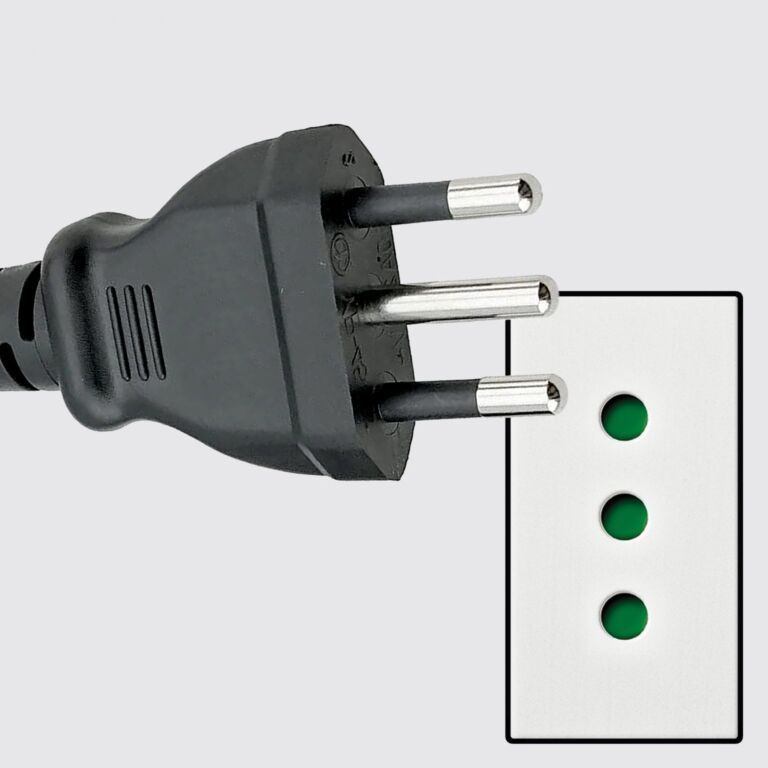
Type L

  • used almost exclusively in Italy & Chile
  • 3 pins
  • grounded
  • 10 A & 16 A
  • 220 – 240 V
  • 10 A socket compatible with plug types C & L (10 A version)
  • 16 A socket compatible with plug type L (16 A version)
Go Funway Type L

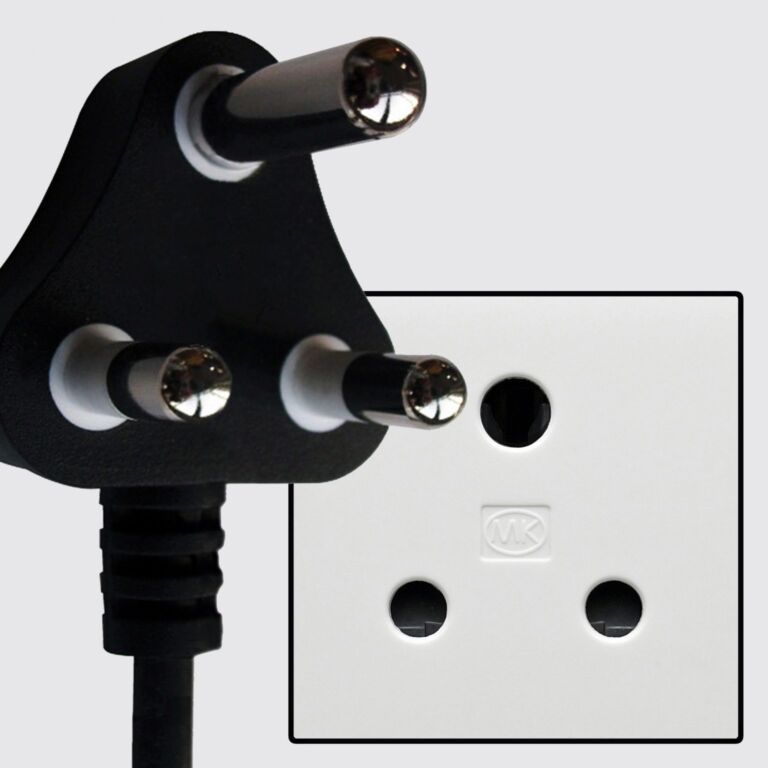
Type M

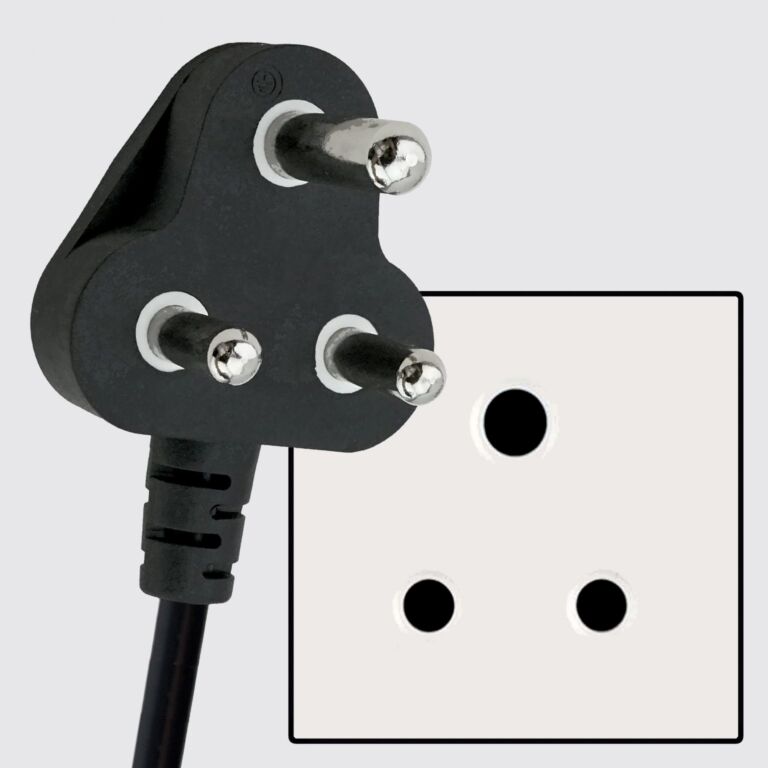
  • mainly used in South Africa
  • 3 pins
  • grounded
  • 15 A
  • 220 – 240 V
  • socket compatible with plug type M
Go Funway Type M

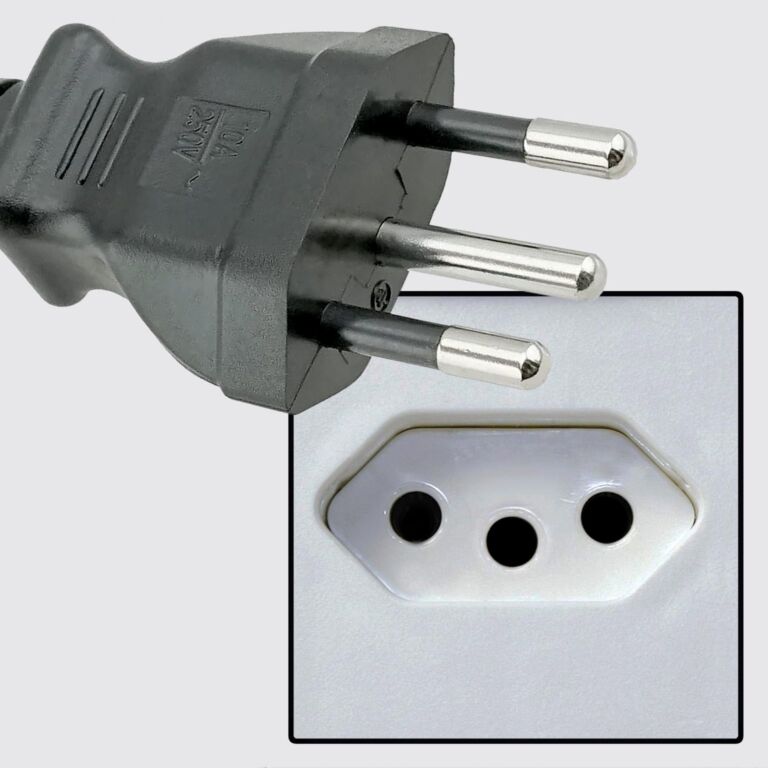
Type N

  • used in Brazil and South Africa
  • 3 pins
  • grounded
  • 10 A, 16 A & 20 A
  • 100 – 240 V
  • socket compatible with plug types C & N
Go Funway Type N

Type O

  • used exclusively in Thailand
  • 3 pins
  • grounded
  • 16 A
  • 220 – 240 V
  • socket compatible with plug types C & O (partial and unsafe compatibility with E & F)
Go Funway Type O

Medical Emergencies/Medical Evacuation

Medical coverage is the most valuable type to consider, since medical expenses can end up costing you the most — by far. Your existing health insurance likely offers very limited or no coverage outside of the United States. Medical coverage under a travel insurance policy protects you against major medical expenses in the event of a health or accidental emergency, which often require costly care. Don’t be left with (potentially) hundreds of thousands of dollars of hospital expenses if you slip and fall, contract a virus, or experience another common ailment.

Travel Emergencies

Flights are often delayed, and those delays can affect more than your time — unexpected hotel stays and meals can be an added expense if your travel is delayed or canceled. You may find out your luggage is stuck in Cairo for days after you’ve already landed in Mumbai, or it’s lost altogether, leaving you responsible to replace personal items. Travel insurance coverage options such as Baggage & Personal Effects Loss, Trip Delay, and Baggage Delay should be considered to prevent being blindsided by the cost of travel mishaps which are all too common.

Cancellation/Interruption

Every now and then, life happens unexpectedly before or during a trip, and you’re required to change your plans because of a work crisis, medical condition, terrorist attack, or death of a loved one. Cancellation/Interruption coverage provides reimbursement for non-refundable, prepaid deposits or payments made towards your trip in the event you need to cancel or interrupt your trip. Don’t find yourself stretched financially as you reschedule your trip — expect the unexpected so you can be reimbursed and get back on the road again soon.

Comprehensive Plans

There can be many different elements to a touring trip, and a comprehensive plan will offer add-on coverage options to meet your specific needs, all while including both medical and travel coverage.

Extensive Travel Coverage

Travel add-on options such as Trip Cancellation, Baggage, and Missed Connection coverage are essential when your trip has so many moving parts and opportunities for things to go awry.

Excellent Claims Ratings

Since a touring trip is most likely a large financial investment, purchase a plan from a provider with excellent claims ratings. You want financial coverage that really does come through when you need it.

CRUISE COVERAGE

Coverage for the Whole Family

Cruises are a great option for families. They offer an all-inclusive experience with family-friendly entertainment and activities that both you and your family are sure to love. Here’s a free tip: Look for plans that cover one or more children at no additional cost.

Book Early

Purchase a cruise travel insurance policy at the same time as your cruise to ensure those sudden and unexpected cancellations are covered.

Limited Coverage from Others

Travel insurance booked through cruise companies often lacks essential coverage. It’s nice that cruises attempt to be “all-inclusive,” but don’t bet your finances against their limited insurance coverage.

Pre-existing Conditions Waiver

An optional (sometimes included) add-on to a comprehensive plan. If eligible, this waiver would provide coverage for those injuries or illnesses that may recur on your trip if they’re considered “Pre-Existing Conditions”. 

Example: Nothing is going to stop you from taking the tour of New Zealand, not even your well-managed, chronic illness. Because you had added a Pre-existing condition waiver, medical expenses from an episode of your illness while traveling is covered under your plan.

Go Funway HeaderPhotoInsurance