Expand your horizons! Embrace the world!
RHODE ISLAND
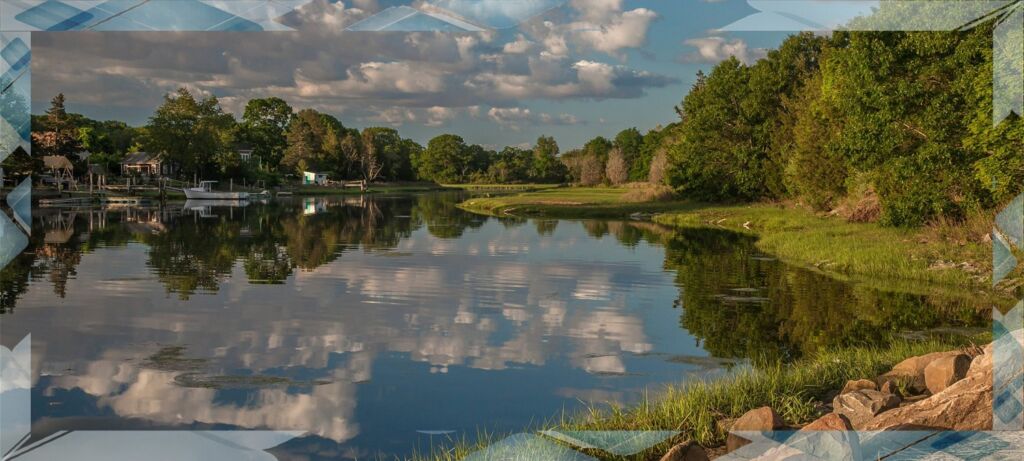
Rhode Island may be the smallest state in the nation, but it is packed with beautiful beaches, historic seaside towns, and rich maritime heritage. Visitors can stroll the famous Cliff Walk in Newport, tour magnificent Gilded Age mansions, savor fresh seafood, and enjoy picturesque coastal scenery. From sailing and waterfront festivals to charming villages and scenic lighthouses, Rhode Island offers a relaxing New England getaway.
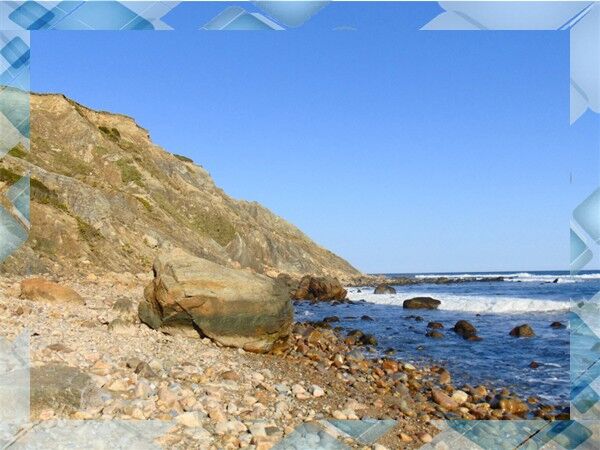
Mohegan Beach
Mohegan Beach in Rhode Island is often used to describe the scenic shoreline area associated with Block Island’s rugged coastal landscape, particularly near the dramatic cliffs and ocean views of Mohegan Bluffs. This stretch of coast is known for its natural beauty, where high clay cliffs rise above the Atlantic Ocean and overlook a wide, windswept beach below. The setting feels remote and untamed, with crashing surf, shifting sands, and panoramic views that stretch far out to sea.
Visitors come to this part of Rhode Island for its peaceful atmosphere and striking scenery, especially in the warmer months when the beach becomes a quiet escape from busier mainland destinations. The area is popular for walking, photography, and simply taking in the contrast between the steep bluffs above and the broad shoreline below. Like much of Rhode Island’s coastal environment, it reflects a blend of New England charm and raw Atlantic coastline, making it a memorable stop for travelers exploring the Ocean State.
This tiny former colony on the Atlantic coast, nestled between Connecticut and Massachusetts, has been punching above its weight since the 17th century, and you’d do well to treat it with respect. Otherwise, you might receive the same sort of welcome the British got in 1772 when their customs schooner, the Gaspee, was boarded by a group of angry Rhode Islanders. The crew was overpowered, the ship set ablaze, and the incident became one of the first open acts of defiance against British rule.
The Gaspee Affair took place a full year before the Boston Tea Party, and Rhode Islanders proudly claim they were the first colony to renounce allegiance to the British Crown—although North Carolina and New Hampshire have claims of their own. Yet, when it came time to ratify the new U.S. Constitution after independence had been won, Rhode Island proved far less eager, becoming the last of the original thirteen states to join the Union in 1790.
High Society
Rhode Island’s somewhat feisty personality may stem from two enduring misconceptions. First, it isn’t actually an island. Second, the island that most people think of as Rhode Island isn’t officially called Rhode Island at all—it’s called Aquidneck Island.
How the colony acquired its name remains something of a mystery. One theory suggests an early explorer thought the island resembled the Greek island of Rhodes. Another claims it evolved from the Dutch phrase Roodt Eylandt, meaning “Red Island.”
Whatever its origin, the name endured, eventually becoming part of the colony’s official title: The Colony of Rhode Island and Providence Plantations. Upon statehood in 1790, the name remained, and for more than two centuries Rhode Island proudly possessed the longest official name of any state.
America’s smallest state covers just over 1,200 square miles, with nearly one-seventh of that area consisting of water. Despite its diminutive size, it is one of the nation’s most densely populated states. Western Rhode Island offers rolling forests, quiet villages, and well-preserved colonial architecture, including the distinctive “stone-ender” houses built in a style brought over from England’s West Country.
Most Rhode Islanders, however, live around Providence and the shores of Narragansett Bay, where sailing, beaches, and seaside towns define the state’s character. Newport, perched on Aquidneck Island, has long been a playground for the wealthy. Its magnificent Gilded Age mansions overlook the Atlantic, and it was here that John F. Kennedy and Jacqueline Bouvier were married in 1953. Newport also provided the glamorous setting for the classic 1956 musical film High Society.
Clams, Coffee Milk, and Curious Cuisine
Given that so much of Rhode Island is connected to the sea, it’s hardly surprising that seafood plays a starring role in the local cuisine. Clams are especially beloved and appear in everything from creamy clam chowder and crispy clam cakes to the state’s famous stuffed clams, affectionately known as “stuffies.”
Rhode Islanders also enjoy a few culinary surprises. Snail salad has long been a local specialty among some communities, while coffee milk—a simple mixture of sweet coffee syrup and milk—is so popular it was named the official state drink.
Rhode Island has also contributed a few memorable words to the English language. The names “moose” and “squash” both originated from Native American languages spoken in the region, while “sideburns” owes its existence to Rhode Island native General Ambrose Burnside. His famously extravagant facial hair—thick whiskers connected to his mustache but not his chin—became so closely associated with him that his surname was eventually reversed into the word we still use today.
STATEHOOD
May 29, 1790
CAPITAL CITY
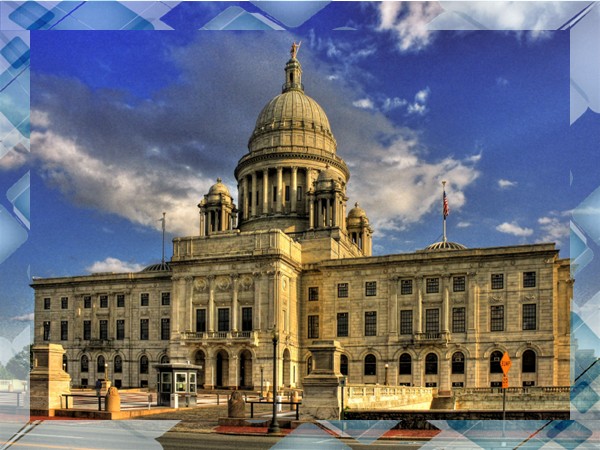
Providence
STATE PARKS
Rhode Island has 22 state parks.
NATIONAL PARKS
Rhode Island has no official national parks but is home to two official sites operated by the National Park Service.
FUN FACTS
Despite its official moniker as the smallest state in the U.S. (1,034 square miles), Rhode Island packs a massive punch with 400 miles of coastline, Gilded Age mansions, and a surprisingly quirky culinary culture.
If you order a “cabinet” in Rhode Island, you’ll get a milkshake; a “bubbler” is a drinking fountain; and a “grinder” is a sub sandwich.
Providence is home to the world’s largest artificial bug: a 58-foot-long, 4,000-pound Eastern Subterranean Termite that sits atop a pest control company on I-95.
Rhode Island is practically a living history book. Newport’s White Horse Tavern, built in 1673, is the oldest operating restaurant in the U.S. Watch Hill hosts the oldest continuously running carousel in the country.
Known for its fierce independence, “Little Rhody” was the first colony to renounce allegiance to King George III in 1776, and the last of the original 13 states to ratify the U.S. Constitution in 1790.
The state is famously divided by its clam chowder—Rhode Island style is a clear broth rather than the creamy New England version. Locals also enjoy unique treats like coffee milk (the official state drink) and “Awful Awfuls” from the local Newport Creamery.

Packages Coming Soon!
Packages Coming Soon!
Packages Coming Soon!

Packages Coming Soon!