Expand your horizons! Embrace the world!
TENNESSEE
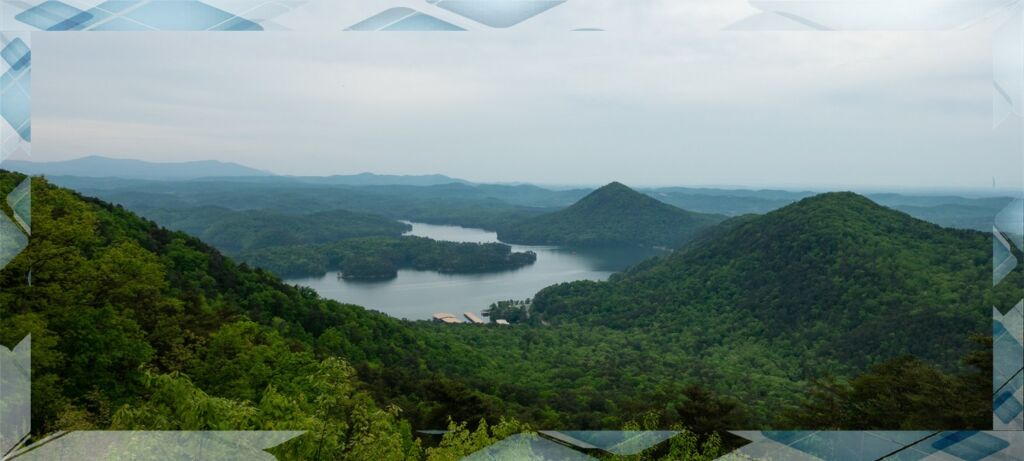
Tennessee welcomes visitors with a blend of stunning mountain scenery, rich musical heritage, and warm Southern hospitality. Travelers can explore the beauty of the Great Smoky Mountains National Park, enjoy live music in Nashville, or experience the history and culture of Memphis. From outdoor adventures to legendary food and entertainment, Tennessee offers unforgettable experiences for every kind of traveler.

The Grand Ole Opry
Grand Ole Opry is one of the most famous and enduring institutions in American country music. Founded in 1925, it began as a simple radio “barn dance” broadcast and gradually grew into a weekly live stage show that helped define the sound and culture of country music. Over the decades, it has hosted legendary performers such as Hank Williams, Patsy Cline, Dolly Parton, and Johnny Cash, becoming a symbolic stage where careers are made and celebrated. Its influence extends far beyond performances, shaping the identity of country music itself.
Today, the Grand Ole Opry continues to present live shows several times a week, blending classic country traditions with modern artists and crossover acts. While its current home is a modern venue, it still maintains a strong connection to its roots and earlier years at the historic Ryman Auditorium in Nashville. Visitors from around the world come to experience its live broadcasts, backstage tours, and the famous “circle of wood” stage, which was cut from the original Ryman floor and placed in the new theater as a symbol of continuity and tradition.
Tennessee may be the target of good-natured jokes about hillbillies, catfish, and tales of roadside cuisine, but there is no denying the special place it holds in the American imagination. Known as “The Volunteer State,” Tennessee earned its nickname through the courage and selflessness of its citizens, qualities that remain a source of pride today. Above all, Tennessee’s greatest contribution to the world is its music. As the birthplace of the blues, rockabilly, and rock and roll, the state has shaped the soundtrack of generations.
Plenty to Sing About
Stretching from the Blue Ridge Mountains in the east to the Mississippi River in the west, Tennessee offers scenery worthy of a thousand songs. Fertile farmland, rolling hills, forested mountains, winding rivers, sparkling lakes, and broad valleys create a landscape of remarkable beauty. The state is home to some of America’s most beloved attractions, including the Great Smoky Mountains National Park, the most visited national park in the country, and Graceland, the legendary home of Elvis Presley.
Music lovers flock to Nashville, affectionately known as “Music City,” where country music traditions thrive alongside a vibrant contemporary music scene. In the southwest corner of the state, Memphis draws visitors from around the world to experience its rich musical heritage and to visit the National Civil Rights Museum, located at the Lorraine Motel, where Dr. Martin Luther King Jr. was assassinated in 1968.
Fighting Spirit
Tennessee’s nickname traces its origins to the state’s soldiers who volunteered to fight under General Andrew Jackson during the War of 1812, most notably at the Battle of New Orleans. Their bravery earned national recognition and left a lasting mark on the state’s identity.
During the Civil War, Tennessee found itself deeply divided. Although it officially joined the Confederacy, many Tennesseans remained loyal to the Union and fought in its ranks. The state became a major battleground, with thirty-eight significant engagements fought within its borders before Union forces ultimately secured control.
Beyond its rugged frontier image, Tennessee also possesses a surprisingly sophisticated side. Memphis takes its name from the ancient Egyptian capital on the Nile, while Nashville is home to a full-scale replica of the Parthenon, built in Centennial Park as a tribute to the city’s reputation as the “Athens of the South.”
Tennessee has also played an important role in scientific advancement. Oak Ridge, near Knoxville, served as one of the top-secret sites of the Manhattan Project during World War II, where scientists helped develop the atomic bomb. Today, it remains a leading center for energy and scientific research.
The state’s innovations extend beyond music and science. Tennessee gave the world cotton candy, introduced Piggly Wiggly—the nation’s first self-service grocery store—and is the home of the world-famous Jack Daniel’s whiskey. From culture and history to innovation and entertainment, Tennessee continues to leave an outsized mark on America and the world.
STATEHOOD
June 1, 1796

CAPITAL CITY
Nashville
STATE PARKS
Tennessee has 66 state parks.
NATIONAL PARKS
Tennessee is home to one national park which it shares with North Carolina.
- Great Smoky Mountains National Park
FUN FACTS
Head to Paris, Tennessee, and you’ll find a 70-foot replica of the Eiffel Tower standing tall in West Tennessee.
Lynchburg is the famous home of the Jack Daniel’s distillery, but it is located in a dry county, making it a delightfully ironic destination.
Nashville’s defining 617-foot AT&T skyscraper is nicknamed the Batman Building because its dark, gothic design looks exactly like the Caped Crusader’s mask.
Sweetwater is home to The Lost Sea, the largest underground lake in the United States, which you can tour on a glass-bottom boat.

Packages Coming Soon!

Packages Coming Soon!

Packages Coming Soon!