Expand your horizons! Embrace the world!
PRINCE EDWARD ISLAND
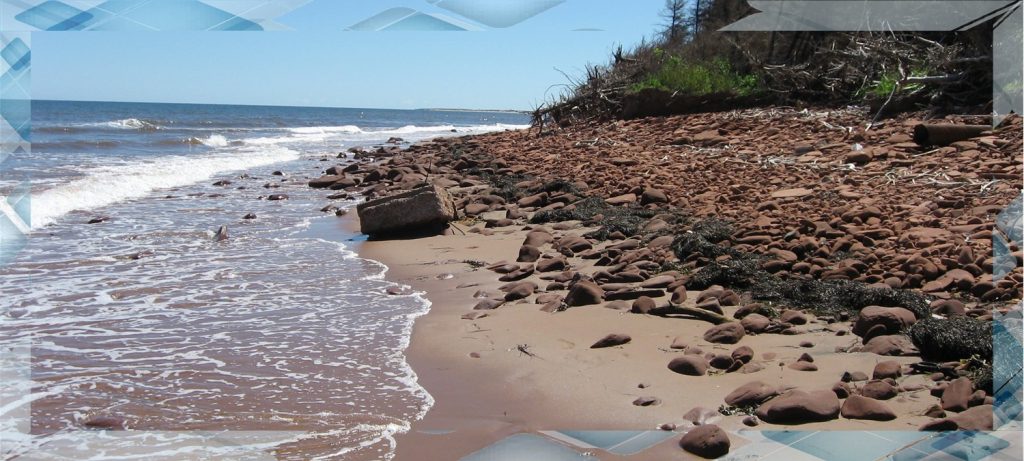
Picture Caption

Caption
Lorem ipsum dolor sit amet, consectetur adipiscing elit. Ut elit tellus, luctus nec ullamcorper mattis, pulvinar dapibus leo.
Caption
Lorem ipsum dolor sit amet, consectetur adipiscing elit. Ut elit tellus, luctus nec ullamcorper mattis, pulvinar dapibus leo.
Caption
Lorem ipsum dolor sit amet, consectetur adipiscing elit. Ut elit tellus, luctus nec ullamcorper mattis, pulvinar dapibus leo.
Known for its red sand beaches, picturesque fishing villages, gently rolling farmland, and rich literary heritage, Prince Edward Island is Canada’s smallest province and one of its most beloved destinations. Located in the Gulf of St. Lawrence, the island covers approximately 2,190 square miles, yet its compact size is filled with scenic coastlines, historic communities, and fertile countryside. Surrounded by the Atlantic Ocean, Prince Edward Island is famous for its striking red sandstone cliffs, sandy beaches, and welcoming communities that have attracted visitors for generations.
Prince Edward Island enjoys four distinct seasons, with warm, pleasant summers and cold, snowy winters moderated by the surrounding sea. Summer temperatures are ideal for beach vacations, cycling, and exploring the island’s many coastal communities, while autumn brings colorful foliage and abundant harvests from the island’s farms. The island’s diverse landscapes provide habitat for red foxes, white-tailed deer, great blue herons, bald eagles, harbor seals, and countless migratory birds. Combined with its scenic coastline and relaxed pace of life, this natural beauty has made Prince Edward Island one of Atlantic Canada’s premier vacation destinations.
Birthplace of Confederation
For thousands of years before European settlement, Prince Edward Island was home to the Mi’kmaq people, who called the island Epekwitk, meaning “cradled on the waves.” Their deep cultural and spiritual connection to the land continues to shape the island’s heritage today.
French settlers arrived during the early eighteenth century, establishing farming and fishing communities throughout the island, which they named Île Saint-Jean. Following the British victory in the Seven Years’ War, control of the island passed to Great Britain, and in 1799 it was renamed Prince Edward Island in honor of Prince Edward, Duke of Kent. Agriculture, fishing, and shipbuilding became the foundation of the island’s economy throughout the nineteenth century.
Prince Edward Island played a pivotal role in Canadian history when Charlottetown hosted the Charlottetown Conference in 1864, where leaders from several British North American colonies met to discuss the creation of a united Canada. Although the island did not immediately join Confederation, it officially became Canada’s seventh province on July 1, 1873. Today, tourism, agriculture, fisheries, and food production remain among the island’s most important industries.
Coastal Beauty and Literary Heritage
Although Prince Edward Island is renowned for its peaceful countryside and stunning coastline, it is equally famous as the setting that inspired Lucy Maud Montgomery’s beloved novel Anne of Green Gables. Green Gables Heritage Place in Cavendish welcomes visitors from around the world who come to experience the landscapes that inspired one of Canada’s most cherished literary classics. Nearby, Prince Edward Island National Park protects miles of sandy beaches, rolling dunes, red sandstone cliffs, and coastal wetlands, offering excellent opportunities for hiking, swimming, cycling, birdwatching, and wildlife viewing.
Charlottetown, the provincial capital, is celebrated as the Birthplace of Confederation and features beautifully preserved Victorian architecture, historic Province House, a vibrant waterfront, and a thriving arts and culinary scene. Summerside, the island’s second-largest city, offers a scenic harbor, museums, cultural attractions, and a lively boardwalk overlooking the waters of Bedeque Bay. Across the island, charming fishing villages such as North Rustico, Victoria-by-the-Sea, and Georgetown welcome visitors with colorful harbors, fresh seafood, artisan shops, and warm Maritime hospitality.
From rolling green farmland and iconic red cliffs to historic towns and beautiful sandy beaches, Prince Edward Island offers an unforgettable blend of natural beauty, history, and culture. Whether cycling the Confederation Trail, exploring scenic coastal lighthouses, savoring world-famous lobster and mussels, or relaxing beside the warm waters of the Gulf of St. Lawrence, visitors quickly discover why Prince Edward Island remains one of Canada’s most charming and treasured destinations.
BECAME A PROVINCE
July 1, 1873
CAPITAL CITY
Charlottetown
Provincial Parks
Prince Edward Island has eight camping parks and twelve day use parks.
CANADIAN NATIONAL PARKS
Prince Edward Island is home to two Canadian national parks.
- Prince Edward Island National Park
- Pituamkek National Park
FUN FACTS
PEI is the smallest province in Canada by both land area and population.
No place on the island is more than 16 kilometers (10 miles) from the ocean.
The island is famous for its distinct red-colored soil and sand, which comes from high iron oxide content in the sandstone.
Basin Head Provincial Park features “singing sands,” where the high silica sand makes a squeaking sound when you walk on it.
The island was renamed in 1799 after Prince Edward, Duke of Kent (the father of Queen Victoria).
: PEI initially refused to join Canada in 1867, but joined later as the 7th province on July 1, 1873, after railway debts pushed them toward bankruptcy.
PEI is dotted with historic beacons like the Point Prim Lighthouse, which was built in 1845 and is the island’s oldest round brick lighthouse.
Add Your Heading Text Here
Add Your Heading Text Here
Add Your Heading Text Here
Add Your Heading Text Here
Add Your Heading Text Here
Add Your Heading Text Here
Add Your Heading Text Here