Expand your horizons! Embrace the world!
INDIANA
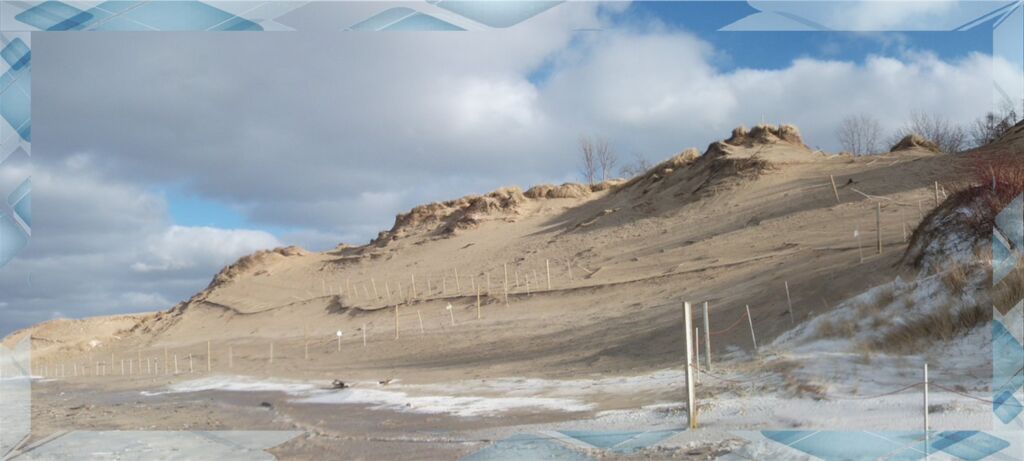
Indiana Dunes National Park is located on the shores of Lake Michigan in northern Indiana.

Indianapolis MotorSpeedway
Indiana’s automobile industry helped foster a passion for motor racing that continues to this day. In 1909, the first Indianapolis Motor Speedway opened on the outskirts of the city, featuring a 2.5-mile banked oval track. It would go on to become one of the most famous racing venues in the world, with a spectator capacity approaching 400,000.
The speedway’s signature event is the Indianapolis 500, a grueling 500-mile race first held in 1911. Today, the Indy 500 remains one of the most prestigious and celebrated automobile races in the world, attracting drivers and fans from across the globe each year.
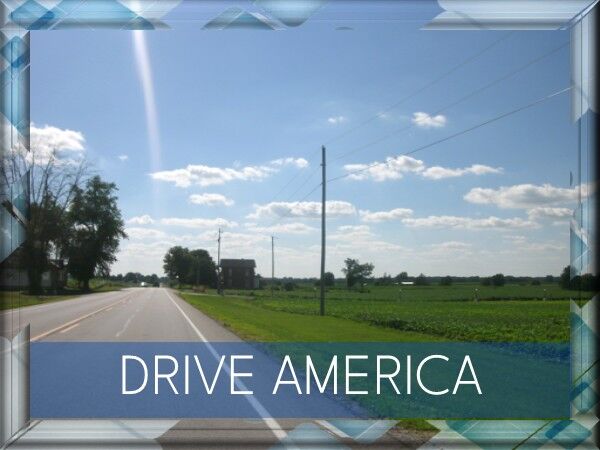
Indiana is known as the “Crossroads of America” because of the network of interstate highways that crisscross the state. The downside of this distinction is that Indiana is often dismissed as a place people simply pass through on their way somewhere else.
That would be a mistake, because the country has plenty to thank Indiana for. For starters, there’s Garfield, the lasagna-loving cartoon cat created by Muncie native Jim Davis. If an indolent feline isn’t enough to impress you, consider the remarkable list of Hoosiers who have made their mark on American culture: James Dean, Hoagy Carmichael, Cole Porter, Steve McQueen, Anne Baxter, Karl Malden, Carole Lombard, Kurt Vonnegut, The Jacksons, Axl Rose, and David Letterman. Surely a state that produces that much talent deserves a closer look.
Natural Resources
As any Hoosier will tell you, there’s a piece of Indiana in just about every other state. The Pentagon, the White House, the Empire State Building, and numerous state capitols were all constructed using Indiana limestone, one of the state’s most valuable natural resources. While much of Indiana’s land is devoted to agriculture, it also boasts a strong manufacturing sector, including the nation’s largest steel-producing region in the northwest corner of the state.
Indiana has long been associated with innovation. One of the first automobile companies, Haynes-Apperson, operated out of Kokomo at the turn of the twentieth century, and one of its founders, Elwood Haynes, later helped develop stainless steel. Industrial growth accelerated after large reserves of natural gas and oil were discovered in the late nineteenth century, attracting immigrants from Germany, Ireland, and England, as well as migrants from the northeastern United States and African Americans from the South.
It was an exciting period in Indiana’s history. During these years, Fort Wayne inventor Sylvanus Freelove Bowser developed the gasoline pump, while Indianapolis attorney Benjamin Harrison became the 23rd President of the United States. Harrison was also the grandson of the nation’s ninth president, William Henry Harrison.
The Frontier
Indiana was admitted as the 19th state of the Union on December 11, 1816, after spending much of the previous century largely untouched by European settlers. Under British rule, the region had been designated “Indian Territory,” where settlement was prohibited. The American Revolution ended British control, and Indiana became part of the Northwest Territory of the United States. Following a period of resistance, Native American tribes were gradually displaced as waves of settlers moved into the region.
The newcomers found a landscape dominated by broad plains, with wooded hills and rocky valleys in the south. The Wabash River winds across the center of the state before turning south to form part of Indiana’s border with Illinois, while the Ohio River separates Indiana from Kentucky. In the northwest corner lies Lake Michigan, whose shoreline is lined with towering sand dunes that give the area a seaside atmosphere during the summer months. Winter, however, often blankets the region in deep snow.
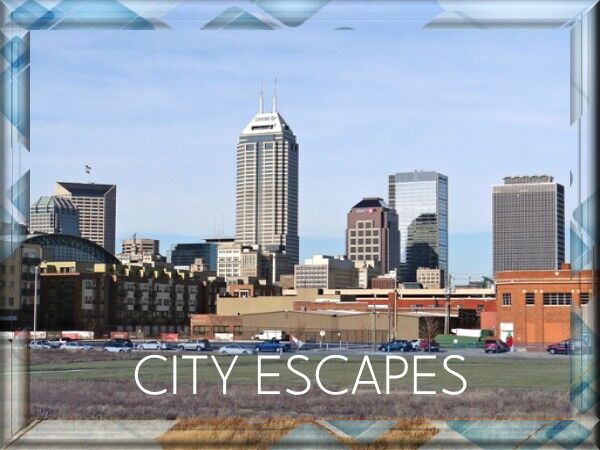
At the heart of the state is Indianapolis, the capital since 1825 and one of America’s great sports and entertainment centers. Frank Sinatra made his debut there, Elvis Presley performed his final concert there, and the city hosts one of the world’s most famous sporting events—the Indianapolis 500.
STATEHOOD
December 11, 1816
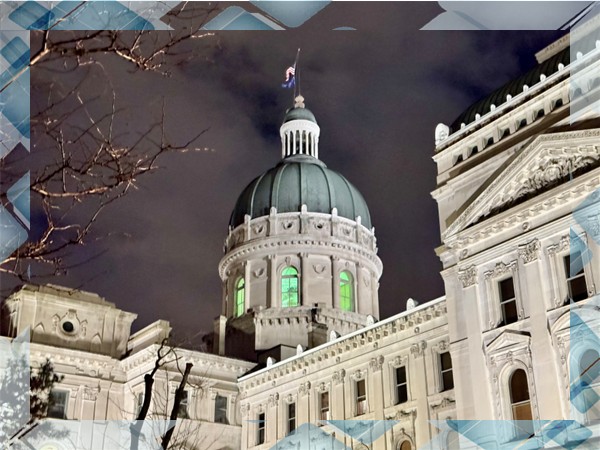
CAPITAL CITY
Indianapolis
STATE PARKS
Indiana has 24 state parks.
NATIONAL PARKS
Indiana is home to one national park.
- Indiana Dunes National Park
FUN FACTS
Indiana produces over 20% of the United States’ popcorn supply, largely thanks to agricultural innovators like Orville Redenbacher.
The iconic curved Coca-Cola bottle was designed in Terre Haute, Indiana, in 1915.
Tomato juice was first served as a beverage in 1917 at the historic French Lick Springs Hotel.
The Children’s Museum of Indianapolis is the largest children’s museum in the entire world.
Parke County, Indiana, is often called the “Covered Bridge Capital of the World,” boasting more than 30 historic covered bridges.
The Indianapolis Motor Speedway is so massive that the Roman Colosseum, Yankee Stadium, the White House, and Vatican City could all fit inside its infield.
The Indy 500 has led to major auto innovations, including the first recorded use of a rearview mirror in 1911.
Packages Coming Soon!
Packages Coming Soon!
Packages Coming Soon!