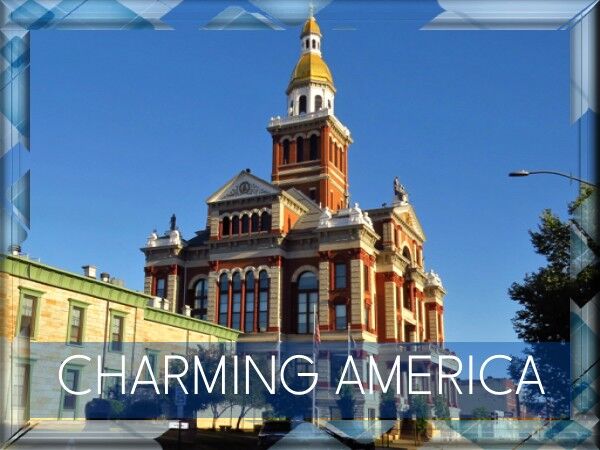
Expand your horizons! Embrace the world!
IOWA
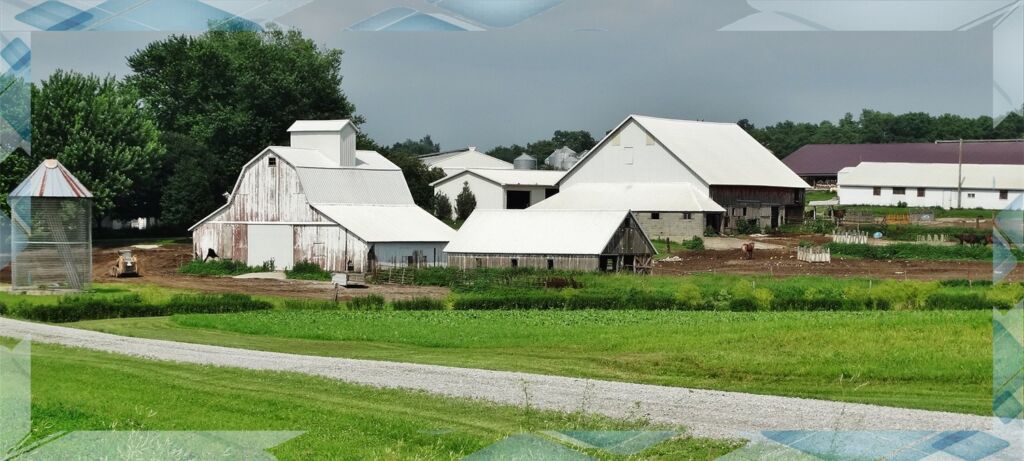
Nearly 92% of Iowa's land is devoted to agriculture. They even farm emus and ostriches.
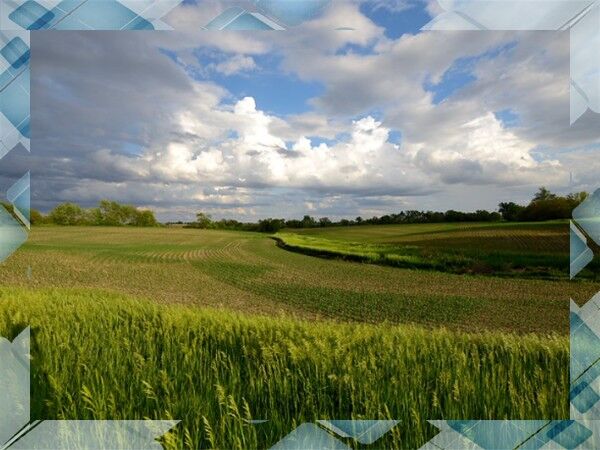
The Book of Black Hawk
So why is Iowa known as “The Hawkeye State”? The nickname originated as a tribute to the Sauk warrior Black Hawk, whose birth name was Ma-ka-tai-me-she-kia-kiak. During the War of 1812, he fought alongside the British against the United States in an effort to reclaim ancestral homelands.
In 1832, Black Hawk led a coalition of warriors from several tribes, known as the “British Band,” during the Black Hawk War against settlers in Illinois and Wisconsin. Following the conflict, he was captured and imprisoned, then taken through several American cities where curious crowds gathered to see him.
While in prison, Black Hawk dictated his life story to a government interpreter. The manuscript was later edited by a local journalist and published as Autobiography of Ma-Ka-Tai-Me-She-Kia-Kiak, or Black Hawk, the first autobiography by a Native American to be published in the United States. The book became an immediate bestseller.
Released in 1833, Black Hawk spent his remaining years in Iowa, where he lived until his death in 1838. His legacy remains an important part of the state’s history and identity, and his name lives on in Iowa’s enduring nickname: the Hawkeye State.
If you’ve ever seen the movie Field of Dreams, in which an Iowa farmer played by Kevin Costner turns his cornfield into a baseball stadium, you’ll already have some idea of what Iowa is all about. The state’s flat terrain and fertile soil create ideal conditions for agriculture. Iowa is the nation’s largest producer of corn and is also a leading producer of pork, beef, milk, eggs, chicken, and soybeans.
Iowa also plays an important role in presidential elections. The Iowa caucuses, held in January of an election year, act as an early gauge of public opinion, much like the New Hampshire primaries. Although Iowa is not fully representative of the nation’s ethnic demographics, the results are still viewed as a strong indicator of how candidates will perform in later contests. As a result, presidential hopefuls tend to be remarkably attentive to the concerns of Iowa voters.
Forward Thinkers
And why shouldn’t they be? Iowa is a genuinely pleasant state. Beyond contributing more to the nation’s food supply than any state except Texas and California, it has produced an impressive range of notable figures. These include actor John Wayne, author Bill Bryson, bandleader Glenn Miller, television host Johnny Carson, Wild West showman Buffalo Bill Cody, and the nation’s 31st president, Herbert Hoover. Together, they reflect the pioneering spirit that has long characterized the state.
Iowa has also earned a reputation for progressive thinking. It has produced three Nobel Prize winners, and in 1847 the University of Iowa became the first university in the United States to admit men and women on equal terms. Just four years later, the state ended racial segregation in its schools—more than a century before much of the nation followed suit. Iowa also boasts one of the highest literacy rates in the country. Today, it ranks second only to Texas in the production of electricity generated by wind power.
Working the Land
Iowa completes the row of three tornado-prone Midwestern states beginning with the letter “I” that sit side by side across the region. The state has a notably orderly appearance, with its counties laid out in neat, regimented squares. Among the most famous is Madison County, named after President James Madison and immortalized by the Clint Eastwood film The Bridges of Madison County.
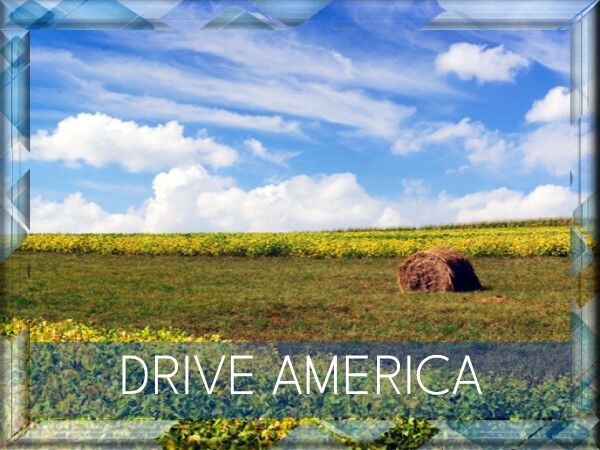
You could say Iowa was made for farming. Its land is fertile, largely flat, and bordered by two major waterways: the Mississippi River to the east and the Missouri River to the west. Transforming Iowa’s grasslands, forests, and wetlands into agricultural land required a concerted effort during the 19th century. Even so, significant natural areas remain, including wetlands such as Barringer Slough, home to pelicans, herons, ducks, and a wide variety of other wildlife.
Long before European explorers arrived, tribes such as the Dakota and Ioway had established thriving farming communities throughout the region. French explorers Jacques Marquette and Louis Jolliet encountered the area during their journey along the Mississippi River in 1673. The French influence remains evident today in place names such as Des Moines, the state capital.
Along the Mississippi River lies evidence of even earlier civilizations. At Effigy Mounds National Monument, more than 200 earthworks—many constructed in the shapes of animals—provide a fascinating glimpse into cultures that flourished thousands of years ago.
STATEHOOD
December 28, 1846
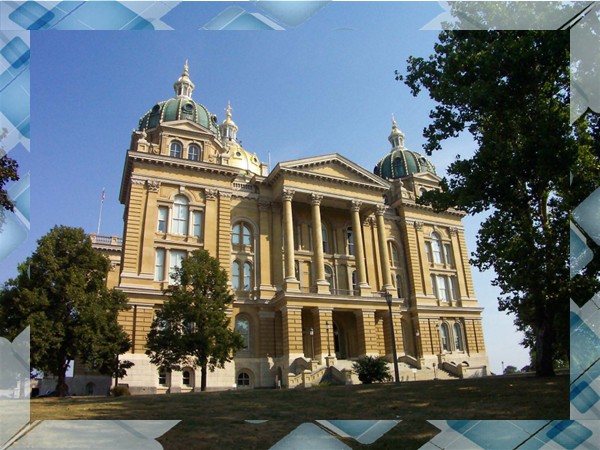
CAPITAL CITY
Des Moines
STATE PARKS
Iowa has 63 state parks.
NATIONAL PARKS
Although there are no national parks in Iowa, the National Park Service does maintain two significant national historic parks and sites in Iowa.
FUN FACTS
There are over 4 times as many hogs as there are humans in Iowa, making it the top pork-producing state in the nation.
Approximately 92% of Iowa’s land is dedicated to farming and agriculture.
Iowa is the only U.S. state where both the east and west borders are formed entirely by rivers (the Mississippi and the Missouri).
Iowa has 99 counties, but 100 county seats. This is because Lee County is unique for having two separate county seats.
The iconic white house that inspired Grant Wood’s famous painting “American Gothic” is located in Elden, Iowa.

Packages Coming Soon!
Packages Coming Soon!

Packages Coming Soon!