Expand your horizons! Embrace the world!
LOUISIANA
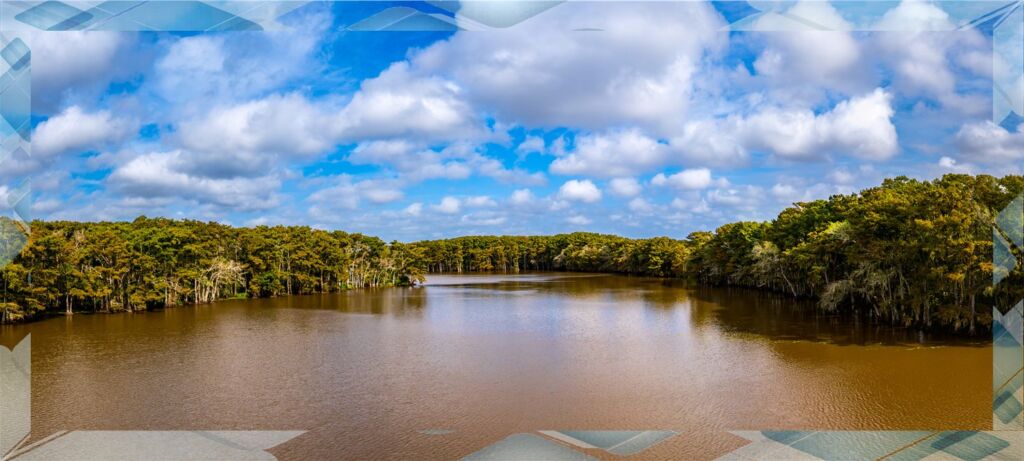
In 1910, a Louisiana Congressman introduced a highly debated bill to import hippos into the Louisiana bayous. The plan was backed by Theodore Roosevelt as a creative solution to solve a national meat shortage and clear invasive water hyacinths, though it was ultimately never passed.
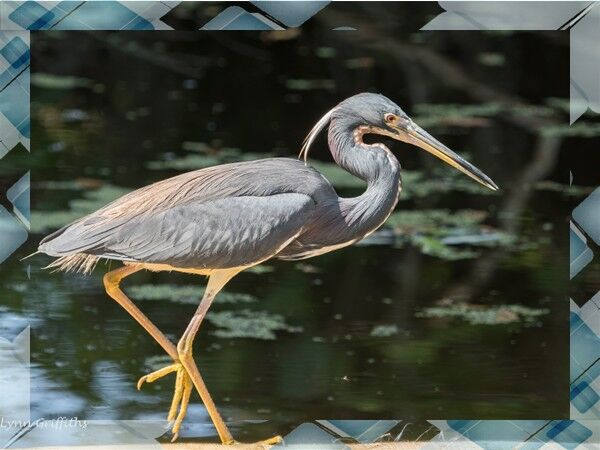
Wetlands and Wildlife
Louisiana’s coastline is defined by an intricate network of bayous, marshes, and barrier islands that form one of the most ecologically significant wetlands systems in North America. These habitats support alligators, salamanders, turtles, wading birds such as egrets and pelicans, and fish including sturgeon. However, the landscape is highly vulnerable to erosion, rising sea levels, and human alteration of waterways and levees, prompting ongoing conservation efforts to preserve this fragile environment.
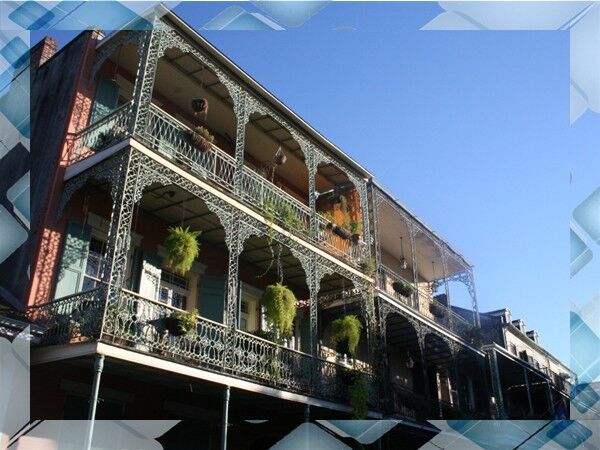
Hurricanes and Modern Challenges
Each year, Louisiana faces the threat of hurricanes, particularly during the peak season in September. One of the most devastating storms in U.S. history, Hurricane Katrina, struck in 2005, causing over $100 billion in damage and claiming 1,577 lives. The storm underscored both the power of nature and the ongoing challenges of protecting coastal communities in this dynamic and vulnerable region.
Louisiana holds a distinctive place in American history and culture, its modern identity shaped by a rich blend of Native American, French, Spanish, English, and Afro-Caribbean influences. Communities such as Creole, Cajun, and Isleño preserve their distinct heritage through language, cuisine, music, and enduring cultural traditions that remain central to the state’s character.
Bordered by Texas to the west, Arkansas to the north, and Mississippi to the east, and opening onto the Gulf of Mexico, Louisiana sits within the vast Mississippi Delta region—an area known for both its natural abundance and cultural depth. It is a land associated with Mardi Gras, jazz, bayous, and hurricanes, where rivers, forests, wetlands, and lakes form a complex and fragile ecosystem. This environment supports diverse wildlife, including alligators, black bears, pelicans, pitcher plants, longleaf pines, and rare species such as the gopher tortoise and red-cockaded woodpecker.
Early History and French Influence
For thousands of years, the region was home to mound-building Indigenous cultures, with some of the earliest earthworks found at Watson Brake in northern Louisiana. From the late 17th century until 1803, with a brief period of Spanish control, Louisiana was part of a vast French colonial territory stretching from the Gulf of Mexico into Canada. It was named in honor of King Louis XIV by explorer Robert Cavelier de La Salle in 1682.
The southwest region, known as Acadiana, became a cultural refuge for Acadians expelled from present-day Canada in the 1760s. These communities, later known as Cajuns, developed a distinct dialect, cuisine, and musical tradition that continues to shape Louisiana’s cultural identity today.
In 1803, Napoleon sold Louisiana to the United States for $15 million, effectively doubling the size of the young nation overnight. The Louisiana Purchase proved a defining moment in U.S. history, securing control of the Mississippi River and the port of New Orleans, and opening vast territories that would later become multiple states. Nine years later, on April 30, 1812, Louisiana became the 18th state of the Union.
Cotton, Conflict, and Cultural Transformation
In the 19th century, New Orleans emerged as one of the most important commercial centers in the American South and, tragically, the largest slave market in the United States. Wealth generated from cotton plantations fueled a society built on enslaved labor.
When the Civil War began in 1861, Louisiana seceded from the Union and joined the Confederacy. At the time, nearly half the population was enslaved. Despite this painful history, the cultural legacy of African musical traditions profoundly shaped the region, helping give rise to jazz and blues. New Orleans became a cradle of musical innovation, producing legendary artists such as Louis Armstrong and Fats Domino.
Mardi Gras and Cultural Celebration
Strong French and Spanish Catholic influences helped shape Louisiana’s traditions, most famously the Mardi Gras festival. “Fat Tuesday” marks the climax of pre-Lenten celebrations, drawing visitors from around the world to New Orleans for elaborate parades, costumes, music, and street festivities.
These celebrations reflect the state’s deep agricultural and communal roots, even as its economy has evolved over time from farming toward oil and gas production since the mid-20th century. Still, the rhythms of nature remain ever-present across the state.
STATEHOOD
April 30, 1812
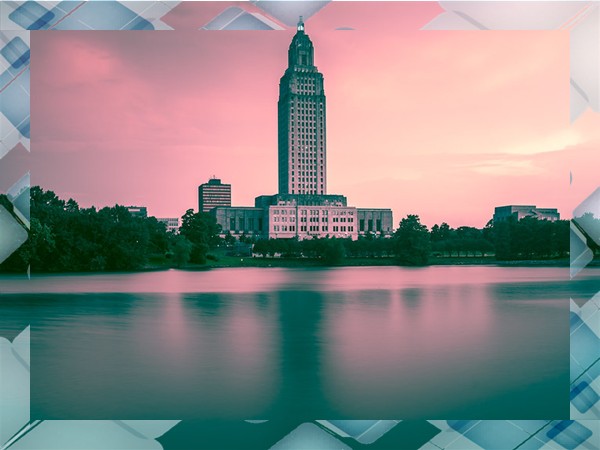
CAPITAL CITY
Baton Rouge
STATE PARKS
Louisiana has 21 state parks.
NATIONAL PARKS
Although Louisiana has no national parks, it is home to several national historic parks, monuments and sites that are managed by the National Park Service.
FUN FACTS
Louisiana’s local administrative districts are called parishes, a holdover from the state’s Spanish and French colonial eras when the Catholic Church divided the region into territorial districts.
The Lake Pontchartrain Causeway holds a Guinness World Record. Stretching 23.87 miles, it is the longest bridge continuously built over water.
The Louisiana State Capitol in Baton Rouge is the tallest in the country, towering 450 feet into the air with 34 stories.
Louisiana hosts over 400 different festivals annually, celebrating everything from world-renowned music and Mardi Gras to specific agricultural and culinary traditions like the Rayne Frog Festival.
Louisiana is the only place in America where you can legally order a frozen daiquiri at a drive-thru. Thanks to a clever loophole in open container laws, the drink is perfectly legal as long as the lid remains unpunctured and the straw is not in the cup.
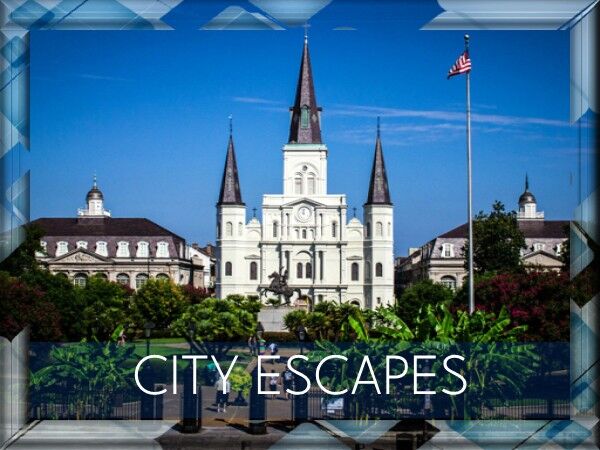
Packages Coming Soon!
Packages Coming Soon!

Packages Coming Soon!
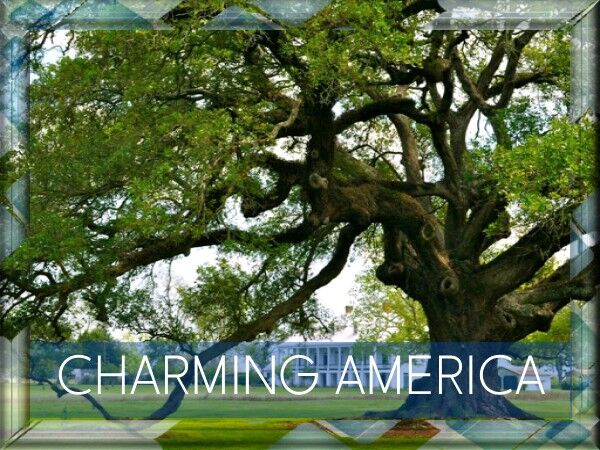
Packages Coming Soon!
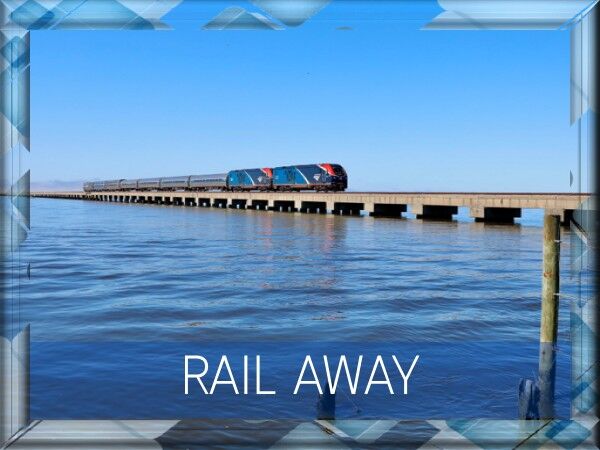
Packages Coming Soon!