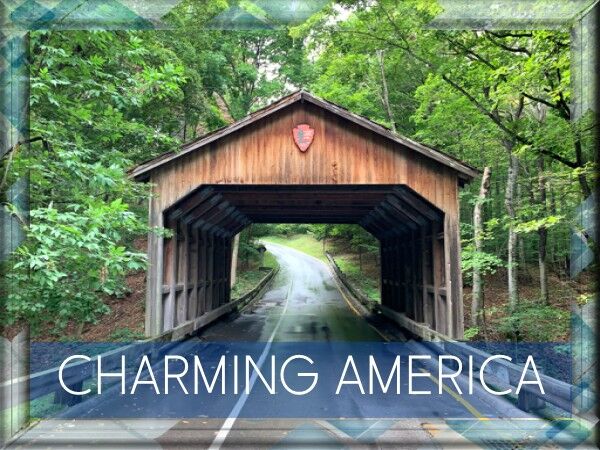
Expand your horizons! Embrace the world!
MICHIGAN
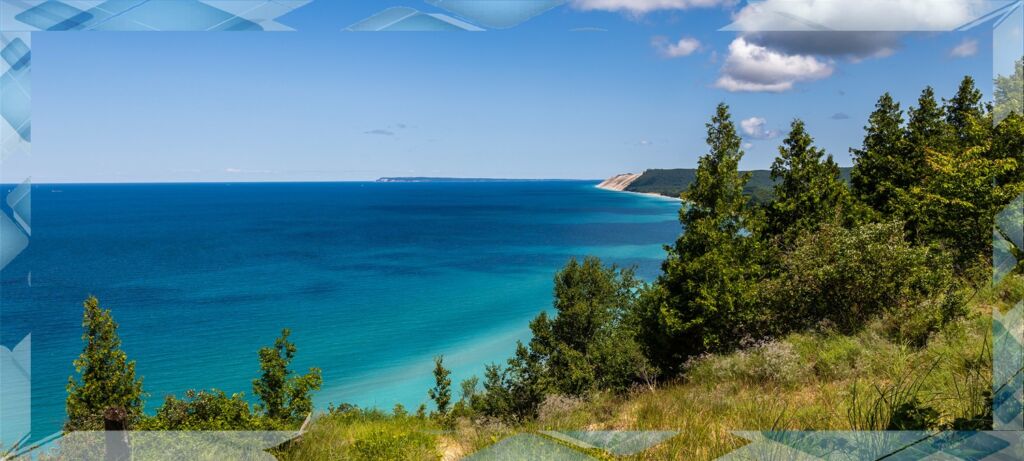
Sleeping Bear Dunes National Lakeshore, located 25 miles west of Traverse City, Michigan, spans a 35-mile stretch of Lake Michigan’s coastline. Famous for its 400-foot-high towering sand bluffs, it offers a mix of dramatic coastal views, hiking trails, swimming beaches, and rich maritime history.
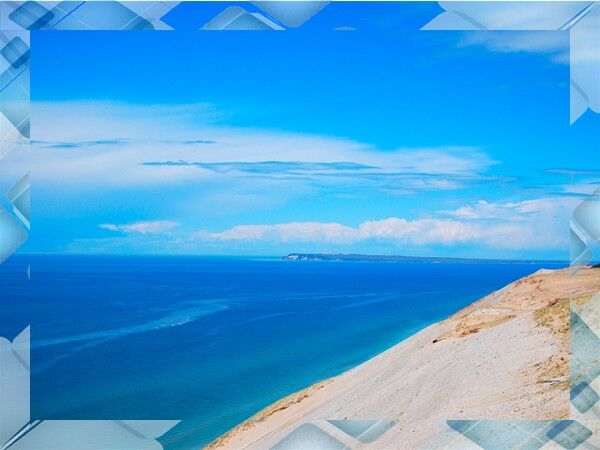
The Great Outdoors
Today, Michigan remains a paradise for outdoor enthusiasts. Its thousands of miles of shoreline, countless inland lakes, and extensive forests provide opportunities for boating, fishing, hiking, wildlife watching, camping, and hunting. The Upper Peninsula, in particular, is celebrated for its waterfalls, wilderness areas, and scenic stretches of Lake Superior shoreline.
Detroit itself is known not only for its automotive heritage but also for its cultural attractions, including the Detroit Institute of Arts, the Detroit Zoo, and The Henry Ford Museum of American Innovation, which showcases the technological achievements that helped shape modern America.
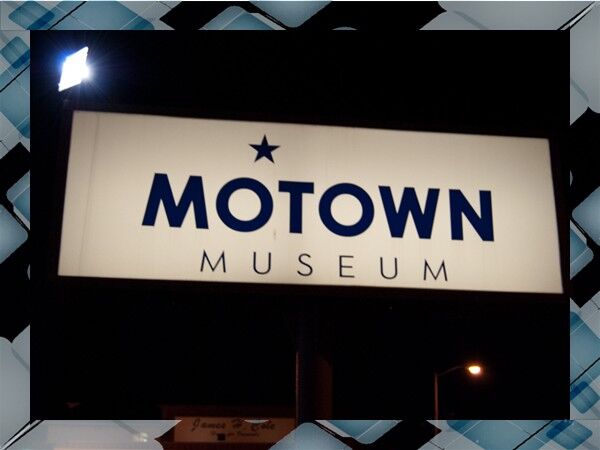
Motown
The explosive growth of Detroit’s automobile industry during the early twentieth century attracted workers from across the United States, particularly from the South. These new residents brought with them rich musical traditions that blended with local influences to create a vibrant cultural scene.
Out of this environment emerged Motown Records, founded by Berry Gordy in 1959. The label launched the careers of legendary performers such as The Supremes, Marvin Gaye, Stevie Wonder, The Temptations, and the Jackson 5. Its first recording studio became famously known as “Hitsville U.S.A.,” and the Motown sound went on to influence popular music around the world.
Michigan, located in the heart of the Midwest, is a state of two distinct halves. The rugged, heavily forested Upper Peninsula stretches eastward from northern Wisconsin, while the more populous and economically developed Lower Peninsula extends north from Ohio and Indiana in the shape of a mitten. Together, these two landmasses are surrounded by four of the five Great Lakes—Superior, Michigan, Huron, and Erie—giving Michigan, with its many islands and inlets, the second-longest shoreline of any state in the nation.
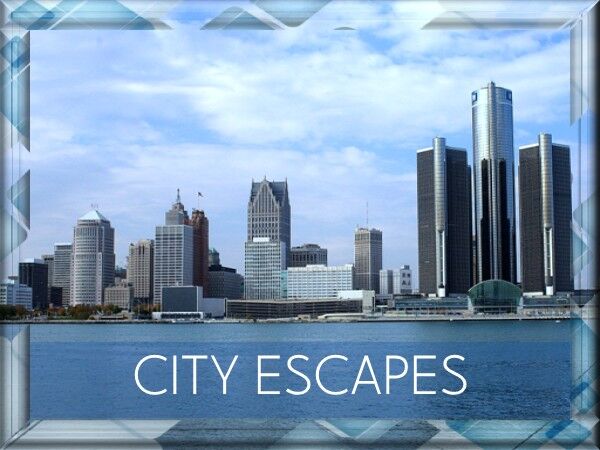
The state’s largest city is Detroit, long known as the center of the American automobile industry. It was here that Henry Ford revolutionized manufacturing through the development of the moving assembly line, helping transform companies such as Ford, Buick, Dodge, Chrysler, and Cadillac into household names. Situated along the Detroit River near the Canadian border, the city provides access to both Lake Erie and nearby Lake St. Clair. On the opposite side of the Lower Peninsula lies Grand Rapids, Michigan’s second-largest city and the hometown of President Gerald Ford. Farther south are the cities of Kalamazoo and Ann Arbor, the latter home to the prestigious University of Michigan.
Controlling the Great Lakes
Michigan’s history is deeply tied to the struggle for control of North America. French explorers first reached the region during the early seventeenth century, and Jesuit missionaries established settlements and trading relationships with Native American communities later in the century. The name “Michigan” is derived from an Ojibwa word meaning “large water” or “great lake,” a fitting description for a land surrounded by vast freshwater seas.
As part of New France, Michigan occupied a strategically important position in the fur trade. To secure their claims, the French built a network of forts, including Fort Pontchartrain du Détroit, founded in 1701 by the explorer Antoine de la Mothe Cadillac. However, competition with Britain for control of North America remained intense.
The balance of power shifted dramatically in 1763 when France lost the French and Indian War and ceded its North American territories east of the Mississippi River to Great Britain. Although the American Revolution ended British rule over the thirteen colonies, several frontier forts in the Great Lakes region remained under British control until 1796, when Detroit was finally transferred to the United States under the terms of the Jay Treaty.
Michigan once again found itself on the front lines during the War of 1812. The Great Lakes became a major theater of conflict, and several fierce engagements took place across the territory. One of the bloodiest was the Battle of the River Raisin, remembered today at the River Raisin National Battlefield Park near Monroe.
Industrial Growth and Statehood
The opening of the Erie Canal in 1825 transformed Michigan’s fortunes by linking the Great Lakes to the Atlantic Ocean through New York and the Hudson River. Improved transportation encouraged waves of settlers and immigrants to move westward into the territory.
Scandinavians, Canadians, and other immigrant groups were drawn to the Upper Peninsula’s booming lumber, iron, and copper industries. Meanwhile, the fertile lands of the Lower Peninsula attracted farmers who cultivated grain and raised livestock. Detroit grew rapidly as a center of manufacturing and trade, producing everything from textiles and footwear to machinery and tools while serving as a major shipping hub.
Michigan entered the Union as the twenty-sixth state on January 26, 1837. In 1854, the newly formed Republican Party held its first statewide convention in Jackson, helping establish the movement that would soon dominate national politics. When the Civil War began in 1861, Michigan contributed tens of thousands of soldiers to the Union cause.
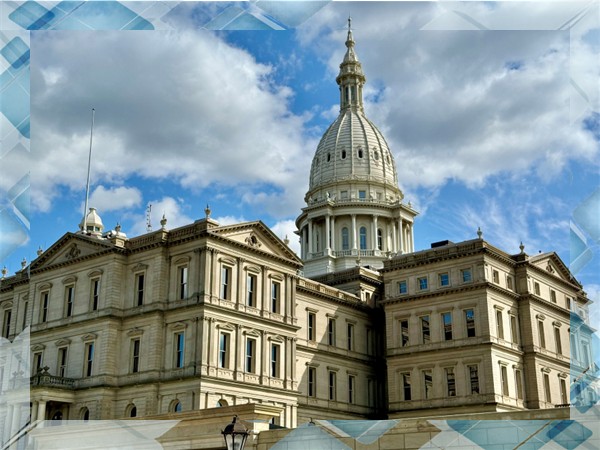
STATEHOOD
January 26, 1837
CAPITAL CITY
Lansing
STATE PARKS
Michigan has 103 state parks.
NATIONAL PARKS
Michigan is home to one national park.
- Isle Royale National Park
FUN FACTS
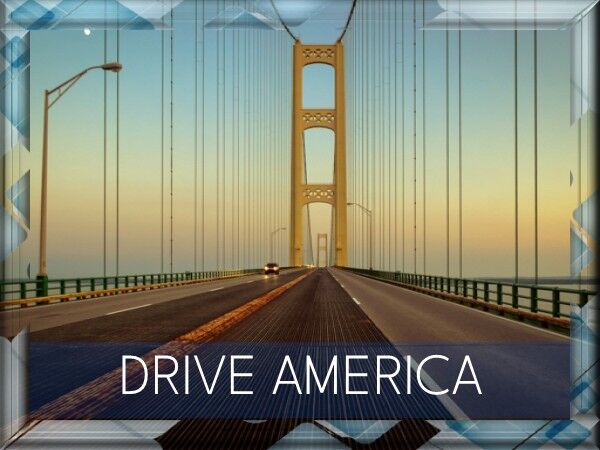
Michigan is made up of two distinct peninsulas (the Upper and Lower) connected by the five-mile-long Mackinac Bridge.
With 129 operational lighthouses, Michigan has more lighthouses than any other U.S. state.
Despite being nicknamed the “Wolverine State,” wild wolverines have not roamed Michigan in over 200 years.
Detroit is home to the J.W. Westcott II, the only boat in the world that delivers mail to moving ships.
In Michigan, you’ll order a “pop” instead of a “soda,” and residents are famous for consuming more potato chips per capita than any other state.
The Popsicle was accidentally invented in Michigan in 1905 by an 11-year-old boy who left a sugary soda mixture with a stirring stick outside overnight.
Battle Creek is the birthplace of mass-produced flaked cereal after the Kellogg brothers accidentally created Corn Flakes while trying to make granola.
Detroit laid the world’s first mile-long concrete paved road in 1908 and built the first international underwater traffic tunnel (the St. Clair Tunnel).
Packages Coming Soon!
Packages Coming Soon!
Packages Coming Soon!

Packages Coming Soon!
Packages Coming Soon!
Packages Coming Soon!