Expand your horizons! Embrace the world!
MISSISSIPPI
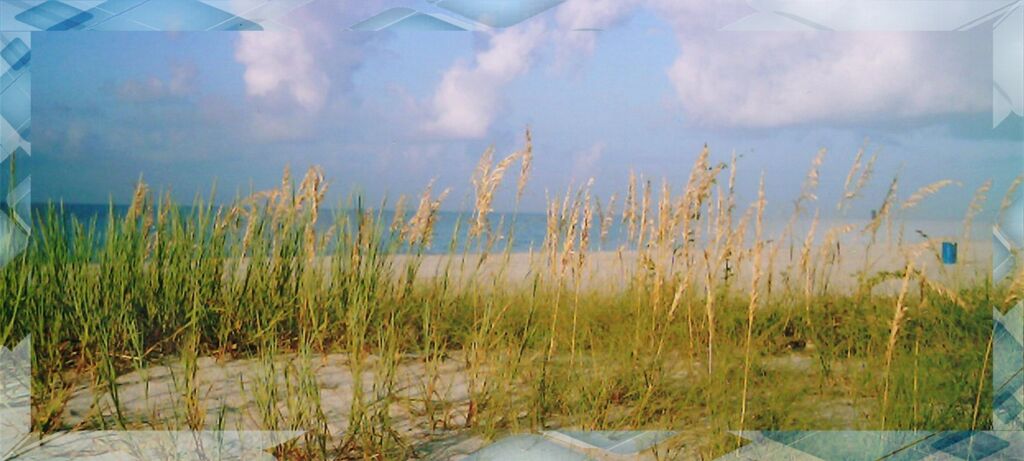
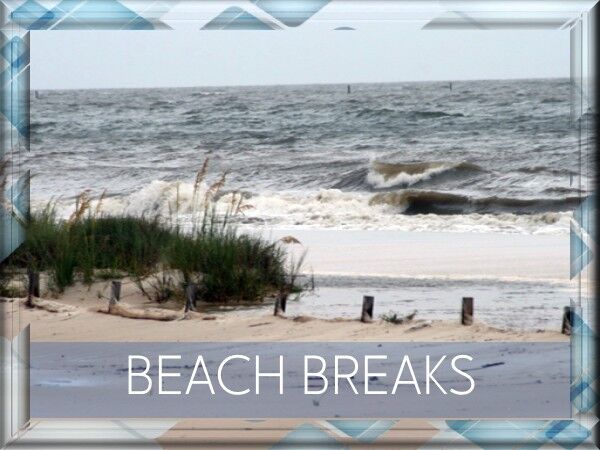
The Gulf Islands National Seashore protects miles of pristine beaches, barrier islands, coastal marshes, and historic sites along Mississippi's Gulf Coast. Visitors can enjoy swimming, hiking, birdwatching, fishing, kayaking, and exploring historic forts while experiencing the area's diverse wildlife and scenic beauty. The seashore offers a peaceful escape where white-sand beaches, gentle Gulf waters, and rich natural habitats showcase one of Mississippi's greatest coastal treasures.
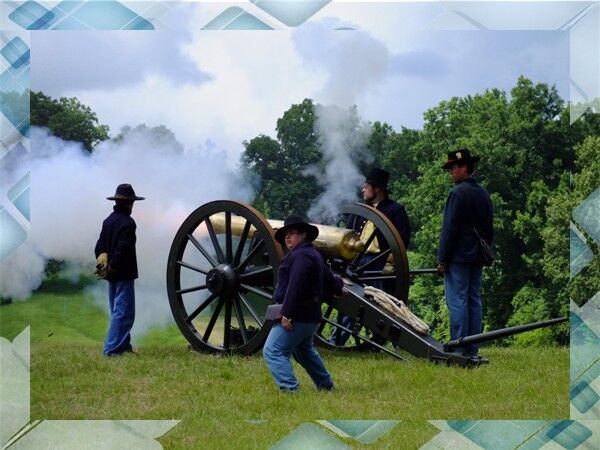
Vicksburg, Mississippi
Vicksburg is one of Mississippi’s most historic cities, perched on bluffs overlooking the mighty Mississippi River. During the American Civil War, Vicksburg was a strategic Confederate stronghold, and its surrender on July 4, 1863, marked a turning point in the war. Today, visitors can explore the Vicksburg National Military Park, where monuments, restored trenches, and the preserved battlefield honor those who fought there. The city’s charming downtown features historic buildings, museums, locally owned shops, and riverfront views that reflect its rich heritage. Riverboat history, Southern hospitality, and fascinating stories can be discovered throughout the city’s streets and attractions. Vicksburg is also home to vibrant arts, annual festivals, and excellent restaurants serving classic Southern cuisine. Whether you’re a history enthusiast or simply exploring the Mississippi River, Vicksburg offers a memorable blend of culture, history, and scenic beauty.
Named after the mighty Mississippi River, which forms much of its western boundary, Mississippi is a state synonymous with steamboats, deep-fried catfish, blues music, and Southern hospitality. Although it remains one of the nation’s poorest states and has a complex and often troubled history, the “Magnolia State” has made an outsized contribution to American culture, not least as the birthplace of Elvis Presley and the cradle of the Delta blues.
Few places embody the American South more completely than Mississippi. It is a land of strong traditions, deep religious faith, warm manners, and a distinctive drawl that can take visitors a little time to understand. Summers are long, hot, and humid, the food is hearty and flavorful, and beneath it all lies the enduring rhythm of the blues, a musical tradition born from the experiences of generations of Mississippians.
Colonialism, Noodlers, and Mound Builders
The Mississippi Delta occupies much of the state’s western region, while vast pine forests cover large areas of the interior. Along the Gulf Coast lie the cities of Gulfport, Biloxi, and Pascagoula, sheltered by the Mississippi Sound and a chain of barrier islands. Despite these natural defenses, hurricanes remain a recurring threat to coastal communities.
Mississippi’s rivers, forests, wetlands, and coastal waters support a remarkable diversity of wildlife. Hunting and fishing are deeply woven into the state’s culture, and few local traditions are more unusual than “noodling” for catfish. This practice involves reaching by hand into underwater holes where large catfish shelter, allowing the fish to bite before hauling it to shore. It is a pastime that reflects both the resourcefulness and determination for which many Mississippians are known.
The first European settlers in the region were the French, who established forts and trading posts during the late seventeenth and early eighteenth centuries. Long before their arrival, however, sophisticated Indigenous cultures flourished throughout the Mississippi Valley. Their legacy survives in impressive archaeological sites such as Emerald Mound, one of the largest Native American earthworks in the United States.
Cultural Melting Pot
During the nineteenth century, the fertile soils of the Delta made Mississippi one of the leading cotton-producing regions in the world. Vast plantations relied on the labor of enslaved Africans, while immigrant workers, including many from Ireland, helped construct levees and drainage systems to control the Mississippi River’s frequent floods.
The interaction of African, European, and Southern traditions helped create the rich musical heritage for which Mississippi is famous. The blues emerged from the Delta and profoundly influenced country music, jazz, rhythm and blues, and eventually rock and roll. The state produced a remarkable number of influential musicians, including Elvis Presley, B.B. King, Muddy Waters, and countless others whose music shaped American culture.
The cotton economy brought great wealth to some parts of Mississippi. Steamboats carried crops and goods along the state’s rivers, while prosperous plantation owners built elegant mansions in the Greek Revival style, many of which still stand today. When the debate over slavery intensified during the mid-nineteenth century, Mississippi became one of the first states to secede from the Union in 1861 and joined the Confederacy. Jefferson Davis, a Mississippi plantation owner, was elected president of the Confederate States of America.
The decades following the Civil War were marked by economic hardship, racial segregation, and political turmoil. Many African Americans faced discrimination and violence, prompting large numbers to leave Mississippi during the Great Migration of the twentieth century. Seeking better opportunities in northern cities such as Chicago, Detroit, and St. Louis, they carried with them the music and cultural traditions of the South. Their influence helped spread the blues across the nation and laid the foundation for many forms of modern American music.
Today, African Americans make up more than one-third of Mississippi’s population, and their cultural contributions remain central to the state’s identity. From the blues clubs of the Delta to the coastal communities of the Gulf, Mississippi continues to preserve and celebrate a heritage that has shaped the story of America itself.
STATEHOOD
December 10, 1817
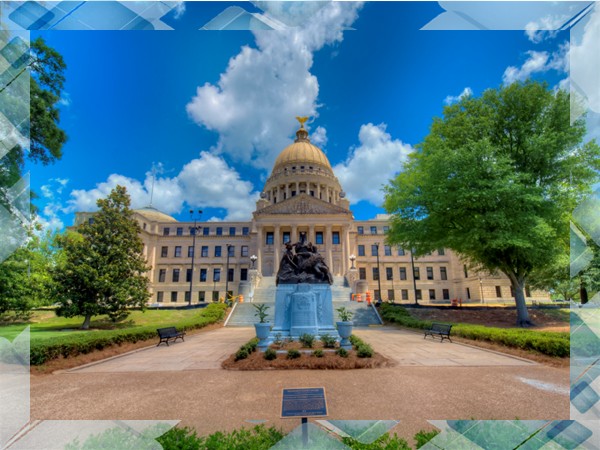
CAPITAL CITY
Jackson
STATE PARKS
Mississippi has 25 state parks.
NATIONAL PARKS
Mississippi has no official national parks but is home to nine sites that are operated by the National Park Service.
FUN FACTS
Gulfport houses TrainTastic, a 50,000-square-foot interactive train museum featuring nearly two million LEGO bricks.
From the cotton fields of the Delta to the clubs of Clarksdale, Mississippi is the birthplace of the Delta Blues. It also has a thriving Grammy Museum located in Cleveland.
Did you know there is an extinct volcano sitting roughly 2,900 feet beneath the capital city of Jackson?
Edward Barq Sr. invented Barq’s Root Beer in Biloxi in 1898.
The Mississippi Gulf Coast features a 26-mile stretch of man-made white sand beach spanning from Biloxi to Gulfport.
Mississippi is home to the Teddy Bear, named after President Theodore Roosevelt when he refused to shoot a captured bear during a 1902 hunt near Onward.

Packages Coming Soon!
Packages Coming Soon!
Packages Coming Soon!

Packages Coming Soon!