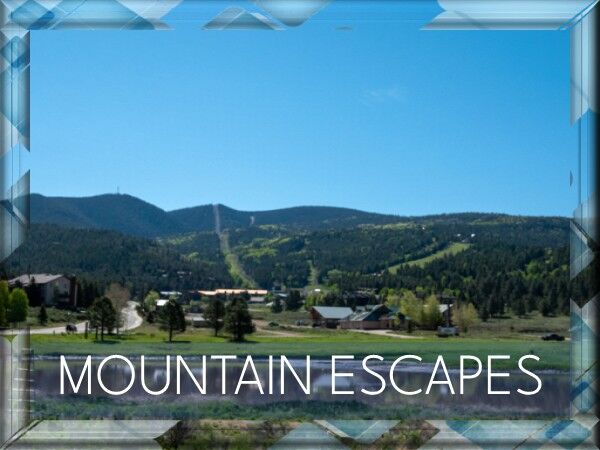
Expand your horizons! Embrace the world!
NEW MEXICO
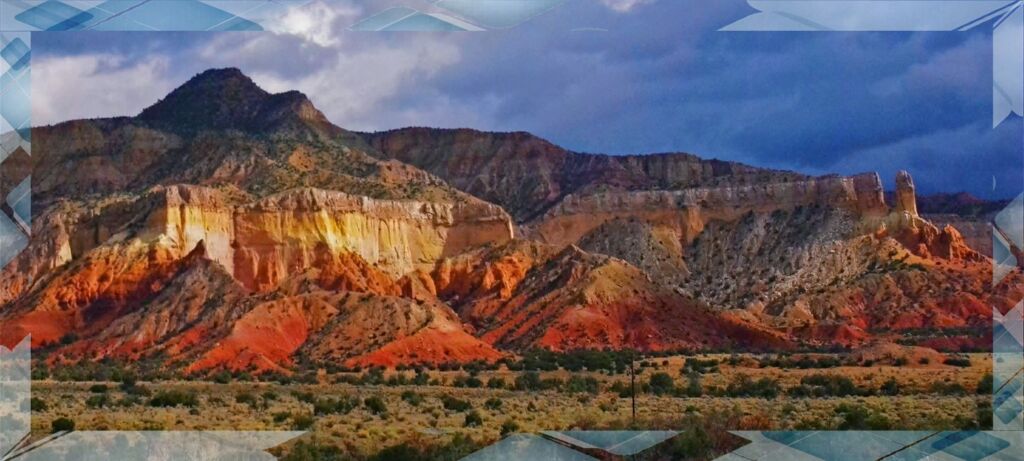
New Mexico's mountains rise dramatically from the desert, creating a landscape of snow-capped peaks, deep forests, and rugged wilderness. The state is home to several major mountain ranges, including the Sangre de Cristo, Sacramento, and San Juan Mountains, offering breathtaking scenery in every season. Alpine lakes, rushing streams, colorful wildflowers, and golden aspen groves make these mountains a paradise for hikers, skiers, and wildlife enthusiasts. Whether viewed from a scenic byway or explored on foot, New Mexico's mountains showcase the state's remarkable natural beauty and striking diversity.
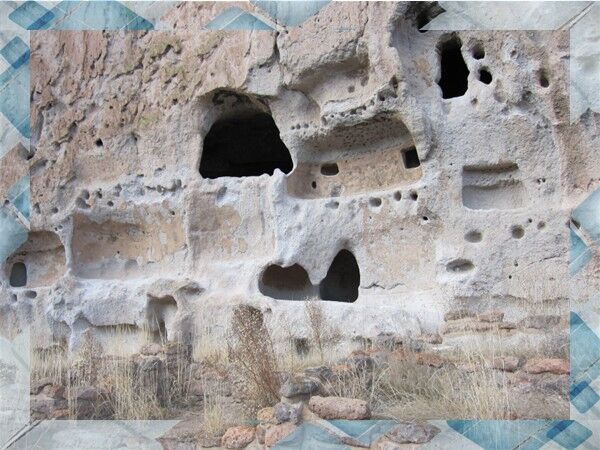
Bandelier National Monument
Perched on the rugged Pajarito Plateau of northern New Mexico, Bandelier National Monument preserves one of the Southwest’s most remarkable archaeological landscapes. Established in 1916, the monument protects more than 33,000 acres of colorful canyons, mesas, volcanic cliffs, and forests that were once home to the Ancestral Pueblo people. Between approximately 1150 and 1550, these skilled farmers and craftsmen built thriving communities here, carving homes into the soft volcanic tuff cliffs while also constructing masonry villages on the canyon floor. Today, visitors can walk among the remains of these ancient settlements, climb ladders into restored cliff dwellings, and gain a firsthand appreciation for the ingenuity and resilience of the people who called this landscape home. Petroglyphs, pottery fragments, and the carefully preserved ruins offer fascinating glimpses into centuries of Pueblo culture and history.
Beyond its archaeological treasures, Bandelier is a haven for outdoor enthusiasts and nature lovers. More than 70 miles of hiking trails wind through Frijoles Canyon, across high mesas, and into remote wilderness where ponderosa pines, piñon-juniper woodlands, and seasonal streams support an abundance of wildlife. Mule deer, wild turkeys, squirrels, and countless bird species are commonly seen, while the changing seasons transform the scenery with spring wildflowers, lush summer greenery, brilliant autumn foliage, and peaceful winter snows. Whether exploring the famous Main Loop Trail, admiring the dramatic canyon vistas, or attending one of the ranger-led programs, visitors discover a destination where spectacular scenery and centuries of human history come together to create one of New Mexico’s most memorable national treasures.

International UFO Museum and Research Center
Best known for the mysterious 1947 incident that sparked decades of UFO speculation, Roswell has become one of America’s most unusual tourist destinations. The city’s famous International UFO Museum and Research Center explores the history of the alleged UFO crash through exhibits, documents, photographs, eyewitness accounts, and scientific perspectives. Whether you’re a devoted believer or simply curious, a visit to Roswell offers a fun blend of mystery, history, and small-town charm that continues to attract visitors from around the world.
New Mexico is not named after Mexico. In fact, the region was called Nuevo México more than two centuries before Mexico became an independent nation. Following their conquest of the Aztecs in central Mexico, 16th-century Spanish explorers moved north hoping to find wealthy Indigenous civilizations similar to those they had already conquered. Although they never found the riches they expected, the name they gave the region endured.
It does resemble Mexico in some ways. Enchiladas are a staple of local cuisine, chile peppers are grown throughout the state, and Spanish is still widely spoken. Yet New Mexico has its own distinct identity and history. Apart from a brief period during the 19th century when it was part of Mexico, it has never been Mexico.
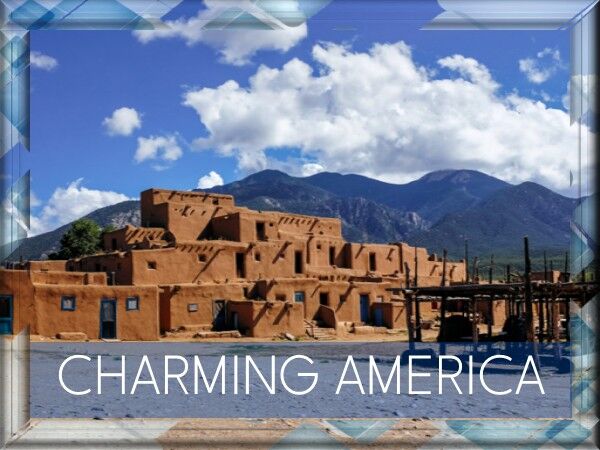
At first glance, New Mexico might seem like a vast, sparsely populated square of desert or a frontier wilderness frozen in time. But it is also a place where history is carefully preserved and the future is eagerly embraced. Visitors can explore 900-year-old Pueblo dwellings and villages where descendants of Spanish settlers still speak distinctive regional dialects rooted in centuries-old Spanish traditions. Not far away, they can visit one of the world’s largest arrays of radio telescopes or venture to The Lightning Field, a remarkable land-art installation composed of hundreds of stainless-steel poles designed to interact with the landscape, weather, and light.
The Good, The Bad, and The Ugly
There is certainly beauty in New Mexico, especially in the high-altitude pine and spruce forests of the Sangre de Cristo Mountains, where golden eagles ride the mountain thermals, marmots dart among the rocks, and the air is cool and remarkably clear. Visitors come year-round to ski, hike, and experience nature at its most dramatic. Here, at the southern end of the Rocky Mountains, the historic Santa Fe Trail meets the broad valley of the Rio Grande.
Yet beyond these mountain strongholds, New Mexico reveals a harsher side. It is one of the driest states in the nation, a landscape shaped by scarce water and vast distances. Much of the state consists of arid plains dotted with cactus and yucca, where rattlesnakes, tarantulas, and the formidable Gila monster make their home. History, too, has left a powerful mark on the land. This is where the world’s first atomic bomb was tested, where Billy the Kid met his end, where Kit Carson fought campaigns against Apache, Comanche, and Navajo peoples, and where the Civil War briefly reached the Southwest before Confederate ambitions were halted at Glorieta Pass.
The frontier spirit remains part of New Mexico’s identity. In towns such as Cimarron, which proudly calls itself the “Cowboy Capital of the World,” ranching traditions endure, rodeos draw enthusiastic crowds, and reminders of the Old West are never far away. Even today, New Mexico’s permissive open-carry laws reflect a culture that still values a measure of independence and self-reliance.
Culture, History and Aliens
But New Mexico isn’t all about gunfighters, atomic tests, and venomous reptiles. The state is also home to a rich blend of Native American, Hispanic, and Anglo traditions that have shaped its culture for centuries.
Back in Santa Fe, the highest state capital in the United States at 7,199 feet above sea level, visitors can attend performances at the renowned Santa Fe Opera, explore the Palace of the Governors—one of the oldest public buildings in the country, dating to 1610—or marvel at the famous spiral staircase of the Loretto Chapel, whose construction remains the subject of local legend.
Further south, Albuquerque offers a different side of New Mexico. Historic Route 66 runs through the city, where travelers can sample the state’s distinctive cuisine: stacked red-chile enchiladas, green-chile stew, chiles rellenos, pinto beans, chicos, carne adovada, fresh sopapillas, horno bread, and natillas accompanied by crisp biscochitos for dessert. Farther south still, Las Cruces proudly celebrates its culinary heritage and has even laid claim to the world’s largest enchilada.
In the southern reaches of the state, the landscape becomes stranger still. The shimmering white gypsum dunes of White Sands National Park seem almost otherworldly, while the immense chambers of Carlsbad Caverns can make visitors feel as though they have entered an underground world. Then there is Roswell, home to perhaps the most famous UFO story ever told. According to popular legend, extraterrestrials were recovered from a flying saucer that crashed nearby in 1947. The official explanation is considerably less dramatic, involving a classified military balloon project, but the debate has fueled decades of speculation and made Roswell a pilgrimage site for UFO enthusiasts from around the world.
Roswell has also produced a few famous Earthlings, including singer-songwriter John Denver and actress Demi Moore.
And if you’re wondering about New Mexico’s reputation for hospitality, consider this: Conrad Hilton, founder of the Hilton hotel empire, was born and raised here.
STATEHOOD
January 6, 1912
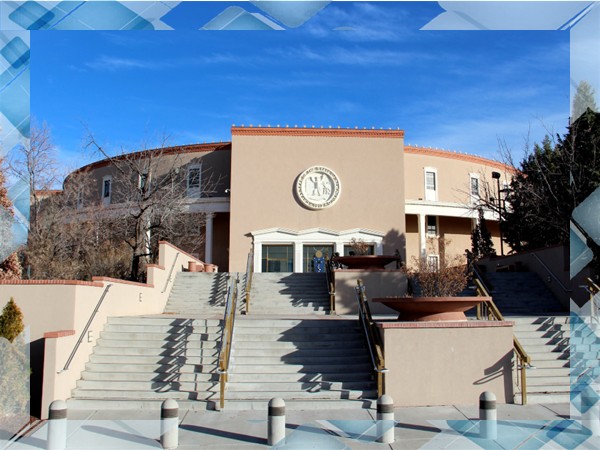
CAPITAL CITY
Santa Fe
STATE PARKS
New Mexico has 35 state parks.
NATIONAL PARKS
New Mexico is home to two national parks.
- Carlsbad Caverns National Park
- White Sands National Park
FUN FACTS
Santa Fe sits at a staggering 7,198 feet above sea level, making it the highest state capital in the country.
Thanks to a famous incident in 1947, Roswell sees nearly 1,000 reported UFO sightings every year. You can check out the evidence at the International UFO Museum and Research Center.
New Mexico has been producing wine since 1629, which is over two centuries longer than California’s famous Napa Valley region.
The real-life orphaned black bear cub that inspired the wildfire prevention mascot “Smokey Bear” was rescued from a forest fire in the Capitan Mountains in 1950.
In New Mexican restaurants, the official state question is simply: “Red or green?” This refers to the choice of chile sauce you want smothering your meal.
The world’s first atomic bomb was detonated at the Trinity Site on the White Sands testing range on July 16, 1945.

Packages Coming Soon!
Packages Coming Soon!

Packages Coming Soon!

Packages Coming Soon!

Packages Coming Soon!