Expand your horizons! Embrace the world!
ALBERTA
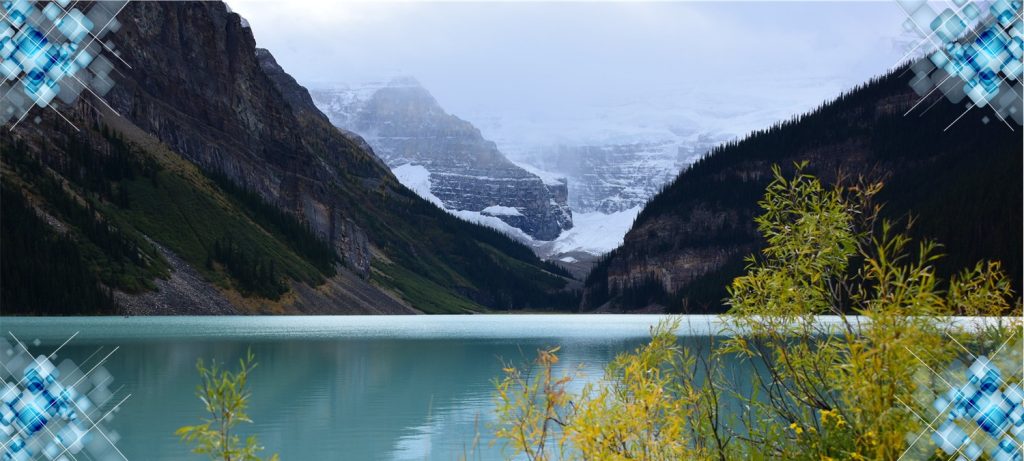
Alberta is widely known for its mountain scenery.
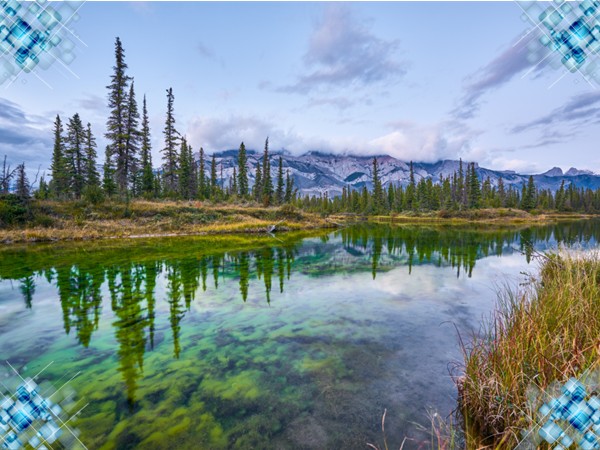
Jasper National Park
Jasper National Park, located in the heart of the Canadian Rockies, is a spectacular destination known for its towering peaks, pristine lakes, and abundant wildlife. As Canada’s largest national park in the Rockies, Jasper offers endless opportunities for hiking, sightseeing, kayaking, and other outdoor adventures. Visitors can admire the turquoise waters of Maligne Lake, explore the dramatic Maligne Canyon, or take in breathtaking mountain views along the Icefields Parkway. Wildlife such as elk, bighorn sheep, mountain goats, and bears can often be spotted throughout the park. Whether you visit in summer for hiking and scenic drives or winter for skiing and snowshoeing, Jasper National Park offers an unforgettable Canadian wilderness experience.
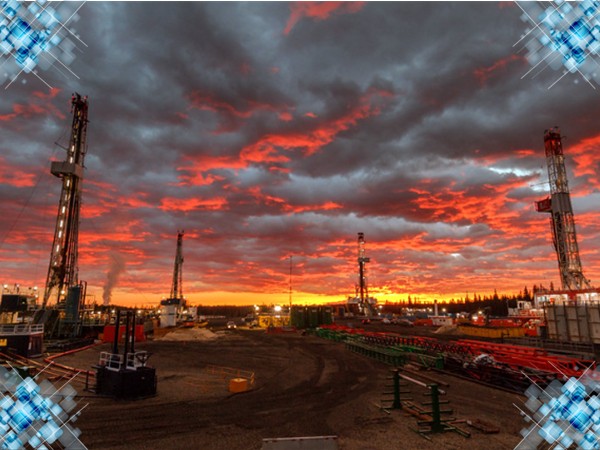
Alberta is home to a booming oil industry.
Alberta is the heart of Canada’s oil industry and is home to some of the country’s largest petroleum reserves, particularly in the oil sands of northern Alberta. The industry has played a major role in the province’s economic growth, supporting jobs, businesses, infrastructure, and communities across the region. Major oil-producing areas include the Athabasca, Cold Lake, and Peace River regions, where both conventional oil and oil sands operations are found. Alberta’s petroleum resources are transported through an extensive network of pipelines to refineries and markets across Canada and the United States. While oil remains a cornerstone of Alberta’s economy, the province continues to focus on environmental innovation, emissions reduction, and developing a more diverse energy sector.
Famous for its soaring Rocky Mountains, turquoise glacial lakes, rolling prairies, and abundant wildlife, Alberta is one of Canada’s most spectacular provinces. Stretching from the snow-covered peaks of the Canadian Rockies in the west to the vast grasslands of the east, Alberta covers more than 255,000 square miles, making it the fourth-largest province in Canada. Despite its immense size, much of the province remains open wilderness, where forests, rivers, and mountain valleys provide a haven for countless species of wildlife.
Alberta experiences four distinct seasons, with warm summers and cold, snowy winters. Temperatures can vary dramatically throughout the year, particularly in the northern regions, where winter temperatures often fall well below 0°F. Yet these changing seasons create some of Canada’s most breathtaking scenery. Elk, moose, bighorn sheep, black bears, grizzly bears, wolves, and mountain goats roam Alberta’s national parks, while millions of migratory birds stop in the province’s wetlands each spring and autumn. Combined with its dramatic landscapes, this rich diversity of wildlife has made Alberta one of North America’s premier outdoor destinations.
Gateway to the Canadian Rockies
Long before European explorers arrived, Alberta was home to Indigenous peoples including the Blackfoot, Cree, Dene, Nakoda, and Métis, who lived on these lands for thousands of years. Their deep connection to the region continues to shape Alberta’s cultural identity today.
European fur traders reached the area during the eighteenth century, establishing trading posts along the province’s rivers. In 1875, the North-West Mounted Police—later known as the Royal Canadian Mounted Police—established Fort Calgary to bring law and order to the growing frontier. The arrival of the Canadian Pacific Railway in the 1880s encouraged settlers from Europe and eastern Canada to establish farms, ranches, and new communities across the fertile prairies.
Alberta officially became Canada’s eighth province on September 1, 1905. During the twentieth century, the discovery of vast oil and natural gas reserves transformed the province into one of Canada’s economic powerhouses. Today, energy remains an important industry alongside agriculture, tourism, forestry, and technology.
Dinosaurs and Mountain Adventures
Although Alberta is widely known for its mountain scenery, it is equally famous for preserving one of the richest collections of dinosaur fossils in the world. The dry badlands surrounding Drumheller have yielded hundreds of prehistoric discoveries, earning the region international recognition among paleontologists. Visitors can explore dramatic canyons, towering rock formations known as hoodoos, and museums showcasing enormous dinosaur skeletons that once roamed the province more than 70 million years ago.
In western Alberta, the Rocky Mountains dominate the landscape. Banff and Jasper National Parks attract millions of visitors every year with their crystal-clear lakes, glaciers, waterfalls, and scenic highways. The Icefields Parkway, often ranked among the world’s most beautiful drives, connects the two parks while passing snow-capped peaks, ancient icefields, and abundant wildlife.
Edmonton, Alberta’s capital, sits along the North Saskatchewan River and is known for its expansive river valley park system, festivals, and thriving arts scene. Calgary, the province’s largest city, has become an international center for business and energy while maintaining its western heritage through the world-famous Calgary Stampede, often called “The Greatest Outdoor Show on Earth.” The city also served as host of the 1988 Winter Olympic Games, helping establish Alberta as a premier destination for winter sports.
From fossil-rich badlands and endless prairie skies to towering mountain peaks and glacier-fed lakes, Alberta offers an extraordinary blend of natural beauty, history, and adventure. Whether exploring vibrant cities, hiking through alpine wilderness, or discovering traces of prehistoric life, visitors quickly understand why Alberta remains one of Canada’s most unforgettable destinations.
BECAME A PROVINCE
September 1, 1905
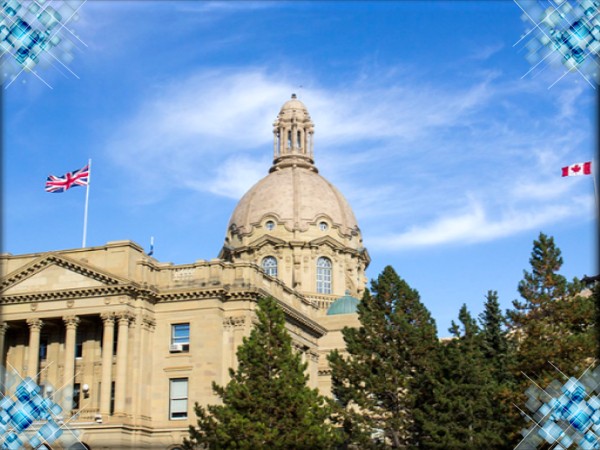
CAPITAL CITY
Edmonton
PROVINCIAL PARKS
Alberta has 460 provincial parks.
NATIONAL PARKS
Alberta is home to five Canadian national parks.
- Banff National Park
- Jasper National Park
- Waterton Lakes National Park
- Elk Island National Park
- Wood Buffalo National Park
FUN FACTS
Star Trek Town: The town of Vulcan built a 31-foot replica of the Starship Enterprise and welcomes visitors with signs in English, Vulcan, and Klingon.
Strictly Rat-Free: Alberta is the largest inhabited region in the world without a wild rat population, maintained by an aggressive government rat-control program.
Royal Namesake: The province was named after Princess Louise Caroline Alberta, the fourth daughter of Queen Victoria.
Landlocked Beauty: Alberta and Saskatchewan are Canada’s only two landlocked provinces, meaning they do not touch an ocean (though Sylvan Lake features a landlocked lighthouse!).
Birthplace of “Trick or Treat”: The earliest known printed use of the phrase “trick or treat” appeared in a 1927 Alberta newspaper.
Famous Cocktails and Dishes: Both the savory Caesar cocktail and ginger beef were invented in Calgary.
World’s Longest Beaver Dam: Located in Wood Buffalo National Park, the world’s longest beaver dam measures an incredible 850 meters long (visible from space!).
Giant Dinosaur Capital: Drumheller holds the world’s largest dinosaur—a massive 26-meter-tall fiberglass T-Rex you can actually climb inside.
Wild Skywalks: Calgary features the +15 system, an indoor network of pedestrian skywalks spanning 18 kilometers above the streets.
Extreme Weather Shifts: Alberta’s signature Chinook winds can raise winter temperatures by up to 22°C in just one hour.
