Expand your horizons! Embrace the world!
BRITISH COLUMBIA
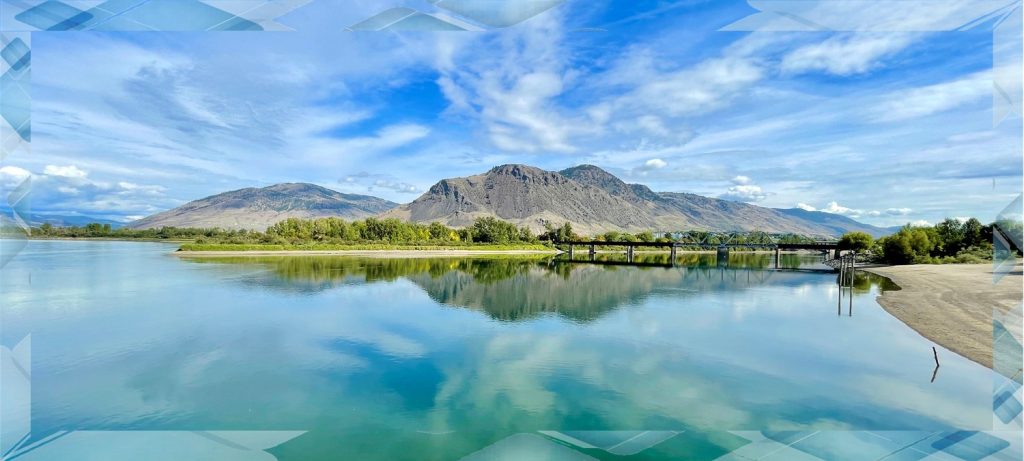
Picture Caption
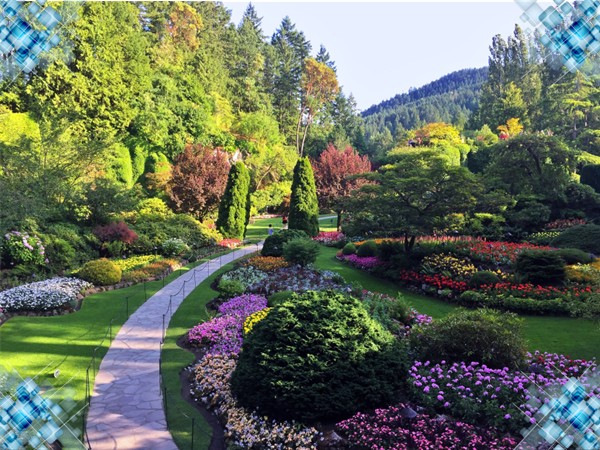
Butchart Gardens
Butchart Gardens is one of Canada’s most spectacular garden attractions, located near Victoria on Vancouver Island, British Columbia. Once a limestone quarry, the site was transformed by Jennie Butchart into a magnificent collection of gardens beginning in the early 1900s. Today, visitors can explore beautifully landscaped areas filled with colorful flowers, towering trees, fountains, ponds, and winding pathways. The Sunken Garden, Rose Garden, Japanese Garden, and Italian Garden each offer a unique setting and showcase plants from around the world. With its seasonal displays and peaceful surroundings, Butchart Gardens is a must-see attraction for anyone visiting Vancouver Island.
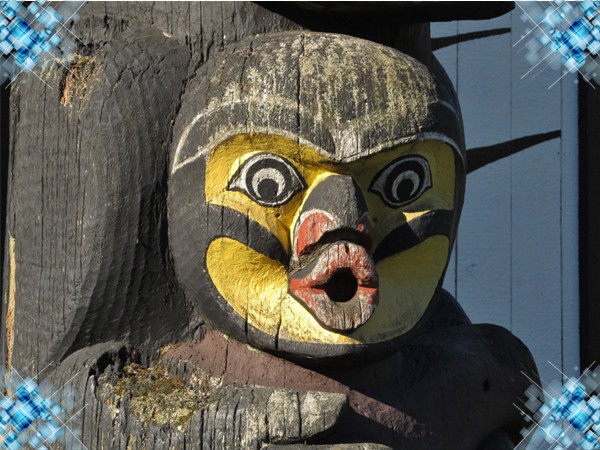
Thunderbird Park
Thunderbird Park is home to a collection of totem poles from various First Nation Peoples of Western Canada.
Famous for its rugged Pacific coastline, snow-capped mountains, ancient rainforests, and vibrant cities, British Columbia is Canada’s westernmost province and one of North America’s most diverse destinations. Stretching from the shores of the Pacific Ocean to the towering peaks of the Rocky Mountains, British Columbia covers nearly 365,000 square miles, making it Canada’s third-largest province. More than 27,000 kilometers (17,000 miles) of coastline, thousands of islands, and countless lakes and rivers create a landscape unlike anywhere else in the country.
The province enjoys one of Canada’s mildest climates, particularly along the coast, where winters are relatively warm and summers are pleasantly cool. Inland, however, temperatures vary dramatically, with snowy mountain ranges, dry desert valleys, and dense forests all found within a single province. This remarkable variety of habitats supports an incredible abundance of wildlife, including black bears, grizzly bears, wolves, mountain lions, elk, and mountain goats. The coastal waters are home to orcas, humpback whales, sea lions, and Pacific salmon, making British Columbia one of the world’s premier destinations for wildlife viewing.
Gold Rushes and Pacific Dreams
Long before European explorers arrived, British Columbia was home to numerous Indigenous nations, including the Haida, Coast Salish, Nisga’a, Nuu-chah-nulth, and Kwakwaka’wakw peoples. These communities developed rich cultures and thriving societies based on fishing, hunting, and trade along the Pacific coast and inland river systems. Their artistic traditions, especially their intricately carved totem poles and cedar canoes, remain enduring symbols of the province’s cultural heritage.
European exploration began in the late eighteenth century, when British and Spanish expeditions charted the Pacific coastline. The fur trade soon brought traders and settlers to the region, but it was the Fraser River Gold Rush of 1858 that transformed British Columbia almost overnight. Thousands of prospectors poured into the colony in search of fortune, leading to the rapid growth of settlements such as Victoria and New Westminster. British Columbia joined the Canadian Confederation on July 20, 1871, after the federal government promised to build a railway linking the province to eastern Canada.
The completion of the Canadian Pacific Railway in 1885 helped open the province to immigration, trade, and tourism. Forestry, fishing, mining, and shipping soon became the backbone of British Columbia’s economy, while its breathtaking scenery began attracting visitors from around the world.
Mountains, Islands, and Ocean Adventures
British Columbia is home to some of Canada’s most famous natural attractions. The Coast Mountains and Canadian Rockies provide endless opportunities for hiking, skiing, mountain climbing, and wildlife viewing, while national and provincial parks protect millions of acres of pristine wilderness. The province also boasts the Great Bear Rainforest, one of the largest temperate rainforests on Earth, where the rare white-furred Spirit Bear can occasionally be found.
Off the mainland lies Vancouver Island, the largest island on North America’s Pacific coast. Its rugged beaches, old-growth forests, and charming coastal communities make it one of Canada’s most popular travel destinations. The provincial capital, Victoria, is located on the island’s southern tip and is renowned for its historic architecture, beautiful gardens, and distinctly British character.
Vancouver, British Columbia’s largest city, sits between the Pacific Ocean and the Coast Mountains, consistently ranking among the world’s most livable cities. A major international port and cultural center, Vancouver gained worldwide recognition after hosting the 2010 Winter Olympic Games. Today, it serves as a gateway to both the Canadian Rockies and the Pacific Rim, offering visitors easy access to outdoor adventure, world-class dining, and a thriving arts scene.
From dramatic coastlines and ancient forests to vibrant cities and towering mountain peaks, British Columbia offers an extraordinary combination of natural beauty, rich history, and outdoor adventure. Whether kayaking alongside whales, skiing alpine slopes, or exploring rainforests that have stood for centuries, visitors quickly discover why British Columbia is considered one of Canada’s most spectacular provinces.
BECAME A PROVINCE
July 20, 1871
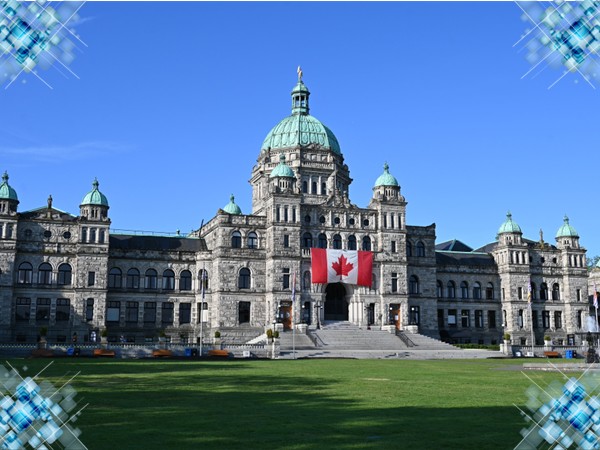
CAPITAL CITY
Victoria
PROVINCIAL PARKS
There are 644 provincial parks in British Columbia.
NATIONAL PARKS
British Columbia is home to 7 national parks.
- Glacier National Park
- Gulf Islands National Park Reserve
- Gwaii Haanas National Park Reserve
- Kootenay National Park
- Mount Revelstoke National Park
- Pacific Rim National Park Reserve
- Yoho National Park
FUN FACTS
Massive Size: British Columbia is larger than every U.S. state except Alaska, and it has an area bigger than France, Germany, and the UK combined.
Huge Coastline: The province features over 27,000 kilometers of rugged coastline, filled with fjords, islands, and inlets.
Ancient Trees: BC is home to ancient western red cedars that have been standing for 1,500 to 2,000 years.
The Wettest City: Prince Rupert on the coast gets an average of 2,593 mm of rainfall across more than 239 rainy days every year.
Mildest Weather: Thanks to the Pacific Ocean, BC has the mildest winter climate in all of Canada, with flowers often blooming as early as February.
World’s Longest Hockey Stick: The town of Duncan holds a world record for a giant wooden hockey stick measuring 62.48 meters long and weighing over 28 tons.
Highest Unsupported Cable Car: The PEAK 2 PEAK Gondola at Whistler Blackcomb features the world’s highest unsupported span between towers at 436 meters above the valley floor.
Tallest Waterfall: Della Falls drops 440 meters, making it one of the highest waterfalls in Canada.
A Sea of Parks: The province protects its nature across more than 400 provincial parks, six national parks, and three UNESCO World Heritage Sites.
Capital vs. Biggest City: Victoria on Vancouver Island is the capital city, but Vancouver is the largest metropolitan area, holding half of the province’s total population.
