Expand your horizons! Embrace the world!
MANITOBA
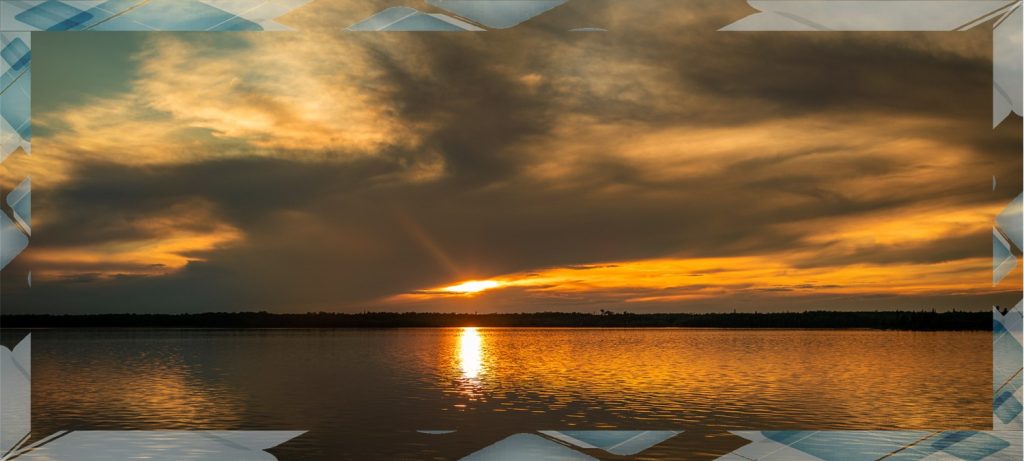
Picture Caption
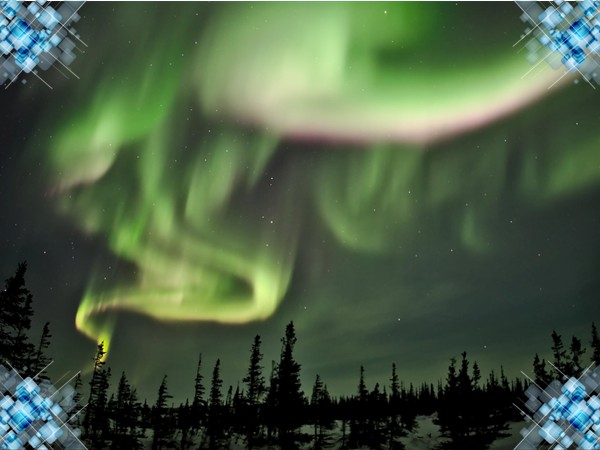
Churchill, MB experiences the Aurora Borealis an average of 300 nights each year.
Churchill, Manitoba, is one of the world’s premier destinations for experiencing the breathtaking Aurora Borealis, or Northern Lights. Located beneath the auroral oval, Churchill offers excellent opportunities to see colorful displays of green, purple, pink, and sometimes red light dancing across the night sky. The best viewing season generally runs from late summer through early spring, when long, dark nights provide ideal conditions. Away from city lights, the surrounding wilderness creates a spectacular backdrop for watching the aurora shimmer above Hudson Bay. Visitors can enjoy guided nighttime excursions, specialized viewing facilities, and other outdoor experiences while waiting for the lights to appear. A trip to Churchill to witness the Aurora Borealis is an unforgettable Canadian adventure and a highlight for photographers and nature lovers alike.
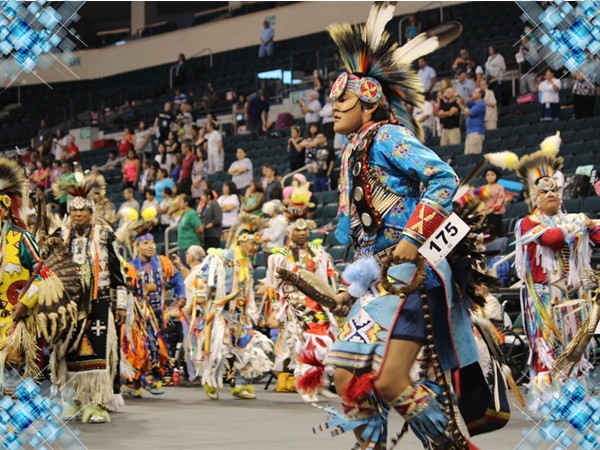
Manito Ahbee Festival
Manitoba hosts a diverse calendar of festivals each year, celebrating the province’s culture, heritage, music, food, and vibrant communities. Winnipeg’s Festival du Voyageur celebrates Manitoba’s French-Canadian and fur-trade heritage with traditional music, food, costumes, and winter activities. In summer, the Winnipeg Folk Festival brings musicians and visitors together for several days of live performances in a beautiful outdoor setting. Other popular events include Folklorama, one of Canada’s largest multicultural festivals, and the Manitoba Stampede & Exhibition in Morris. From winter celebrations to summer cultural events, Manitoba’s festivals offer visitors a wonderful way to experience the province’s unique character and welcoming spirit.
Known for its sweeping prairies, crystal-clear lakes, abundant wildlife, and vibrant cultural heritage, Manitoba is one of Canada’s most diverse provinces. Located in the heart of the country, Manitoba stretches from the rich agricultural lands of the south to the rugged forests, tundra, and Arctic coastline along Hudson Bay in the north. Covering more than 250,000 square miles, the province boasts over 100,000 lakes, countless rivers, and vast expanses of untouched wilderness, making it a paradise for outdoor enthusiasts and nature lovers alike.
Manitoba experiences four distinct seasons, each offering its own unique attractions. Summers bring warm temperatures ideal for hiking, fishing, camping, and exploring the province’s many parks and lakes. Autumn transforms the forests into brilliant shades of gold and crimson, while winter blankets the landscape in snow, creating opportunities for skiing, snowmobiling, ice fishing, and viewing the spectacular northern lights. Spring awakens wetlands and forests as migratory birds return, making Manitoba one of North America’s premier birdwatching destinations. Wildlife is abundant throughout the province, with black bears, moose, elk, wolves, bison, and thousands of migratory birds calling Manitoba home.
A Land Shaped by Indigenous Heritage
For thousands of years, Manitoba has been home to Indigenous peoples, including the Cree, Ojibwe, Dakota, Dene, Inuit, and Métis. Rivers such as the Red, Assiniboine, and Nelson served as important transportation and trading routes, while the region’s lakes and forests provided abundant natural resources. Today, Indigenous traditions remain an important part of Manitoba’s cultural identity and are celebrated through museums, cultural centers, festivals, and historic sites across the province.
European fur traders arrived during the 17th century, and in 1670 the Hudson’s Bay Company established trading operations throughout the region. Manitoba became the center of the Canadian fur trade, with the settlement at The Forks—where the Red and Assiniboine Rivers meet—growing into one of western Canada’s most important gathering places. Following the Red River Resistance led by Métis leader Louis Riel, Manitoba entered Confederation on July 15, 1870, becoming Canada’s fifth province. Today, the province reflects a rich blend of Indigenous, French, British, and multicultural influences.
Wildlife, Culture, and Natural Wonders
Winnipeg, Manitoba’s capital and largest city, serves as the province’s cultural and economic center. Visitors can explore The Forks National Historic Site, stroll through the Exchange District’s beautifully preserved early twentieth-century architecture, or visit the striking Canadian Museum for Human Rights. The city also boasts excellent restaurants, performing arts venues, professional sports, and festivals that celebrate Manitoba’s diverse cultural heritage throughout the year.
Beyond Winnipeg lies one of Canada’s greatest outdoor playgrounds. Riding Mountain National Park offers scenic hiking trails, forests, lakes, and opportunities to spot elk, black bears, and bison. Lake Winnipeg, one of the world’s largest freshwater lakes, provides beautiful beaches, boating, sailing, and excellent fishing. In the province’s far north, the remote town of Churchill has earned worldwide recognition as the “Polar Bear Capital of the World.” Every autumn, visitors travel from around the globe to observe polar bears gathering along the shores of Hudson Bay before the sea ice forms. During the summer months, thousands of beluga whales fill the Churchill River estuary, while the clear northern skies provide exceptional opportunities to witness the colorful display of the Aurora Borealis.
From vibrant cities and fascinating history to pristine wilderness and unforgettable wildlife encounters, Manitoba offers travelers experiences found nowhere else in Canada. Whether exploring Winnipeg’s rich cultural attractions, relaxing beside a sparkling lake, hiking through national parks, or watching polar bears roam the Arctic coastline, visitors will discover a province where adventure, history, and natural beauty come together in every season.
BECAME A PROVINCE
July 15, 1870
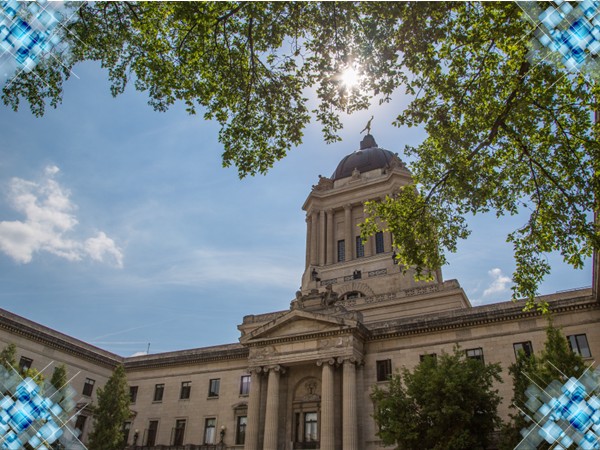
CAPITAL CITY
Winnipeg
PROVINCIAL PARKS
Manitoba is home to 92 provincial parks.
NATIONAL PARKS
Manitoba is home to two Canadian national parks.
- Riding Mountain National Park
- Wapusk National Park
FUN FACTS
Polar Bear Capital: The northern town of Churchill is known as the Polar Bear Capital of the World, where bears gather along Hudson Bay waiting for sea ice to freeze.
Massive Snake Dens: Narcisse Snake Dens host the world’s largest concentration of red-sided garter snakes, where tens of thousands emerge from limestone caves every spring.
Beluga Whale Playgrounds: Every summer, tens of thousands of friendly beluga whales visit the Churchill River estuary in Hudson Bay.
Birthplace of Winnie the Pooh: A veterinary captain named Harry Colebourn bought a real black bear cub in Manitoba in 1914, naming her Winnipeg (or “Winnie”), which inspired A.A. Milne’s famous character.
Ancient Lake Bed: Most of southern Manitoba sits on the flat bottom of Lake Agassiz, an enormous glacial lake larger than all of the modern Great Lakes combined.
Minting Coins: The Royal Canadian Mint facility in Winnipeg produces all of Canada’s circulating coins as well as currency for dozens of other countries.
Northern Lights: Churchill experiences the aurora borealis an average of 300 nights a year.
Slurpee Capital: Winnipeg held the title of the Slurpee Capital of the World for over two decades, selling more of the icy drinks than any other city globally.
The World’s Largest Snow Maze: St. Adolphe builds a massive, record-breaking snow maze each winter just minutes outside of Winnipeg.
Invented Pizza Pops: The popular frozen snack called the Pizza Pop was invented in Winnipeg by Paul Faraci in 1964.
